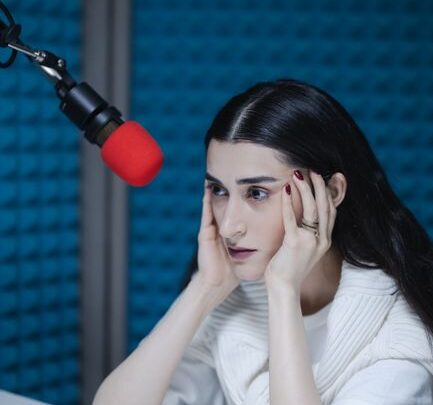
It’s a joke among Zagreb voice actors that even when you land a big gig, nobody outside your family will recognize your voice. Unlike Germany or France, where dubbing is a star-making machine and local audiences are fiercely loyal to their own tongue, Croatia occupies an awkward middle ground — too small for lavish investment, too proud to accept bland international imports. But lately, something’s shifting.
When Netflix Came Calling
In 2018, Netflix quietly started commissioning Croatian language dubs for some of its children's content. It wasn’t headline news. Yet in agency corridors from Split to Rijeka, people noticed: suddenly there were actual budgets—modest ones—set aside for Croatian voice over work. Ambidekster Studio in Zagreb picked up several projects and found itself fielding audition requests from young actors who’d never done dubbing before. “We used to do mostly educational materials or commercials,” recalls one studio producer, “now we’re training people on full series work.”
The Netflix effect was tangible: within two years, at least four other studios in the region had either expanded their vocal booth setups or invested in new ADR software like VoiceQ to handle increased workflow. For kids’ animation alone, demand for localized tracks jumped nearly 30% between 2020 and 2022 according to industry insiders at Mediatranslations d.o.o., a mid-sized localization firm with offices in both Zagreb and Ljubljana.
The Dubbed Divide: Kids vs Everyone Else
Here’s the contradiction: While children’s media is seeing real growth in Croatian-language production (just listen to any Saturday morning cartoon block on HRT2), adult entertainment is still dominated by subtitles. In fact, commercial broadcasters like Nova TV rarely invest beyond basic trailer overdubbing for primetime content.
But this isn’t just a matter of cost—it’s cultural inertia. As one project manager at IstraFilm puts it: “Croatian adults see subtitles as intellectual; dubbing feels childish.” That perception has stunted expansion into genres where neighboring markets (think Poland or Hungary) have fully embraced voice replacement.
AI Voices: Friend or Foe?
The rise of synthetic voice technology has thrown another wrench into the mix. Last spring, a Slovenian adtech startup partnered with an Osijek-based marketing agency to run pilot campaigns using ElevenLabs’ multilingual TTS platform for regional radio ads.
Results were mixed—the AI handled standard accents but tripped over Dalmatian dialects. Clients liked the speed (from script approval to final delivery shrank from three days to less than twelve hours) but balked at what one described as "robotic warmth." Still, about 15% of low-budget regional spots now use some form of AI-generated Croatian speech according to industry scuttlebutt—a number expected to creep upward as tools improve.
Workflows Get Complicated (and Expensive)
In classic workflows at mid-sized studios like AudioLab Split, production means juggling limited rosters of available talent—sometimes calling actors back-to-back across multiple projects or patching together ensemble scenes remotely via Source-Connect sessions with freelancers based in Sarajevo or Belgrade.
A typical project might look like this:
- Client sends master files and scripts (often English)
- Localization team adapts dialogue for lip-sync and idiomatic accuracy (allow up to five working days)
- Cast assembled from pool of 6–10 core voices; director rotates among trusted freelancers depending on genre/age appeal
- Two rounds of review before delivery; major clients request time-stamped CSVs aligning original and dubbed lines for final QC pass
- Deliverables include broadcast WAVs plus timed subtitle files as fallback option (still required by many platforms)
All told? Even modest animated series can rack up €5–8k per episode once rights and revisions are counted—a figure that may seem high until you realize how thinly resources are spread compared with larger markets.
Case Study: Gaming Grows Up — Gradually
For years, most video game publishers bypassed full Croatian dubs altogether; at best you’d get translated menus and subtitles. But Larian Studios’ recent Balkan campaign for "Baldur’s Gate 3" bucked this trend. They hired Zagreb-based Leptir Produkcija not only for translation but also full character voicing—for select DLC packs aimed at boosting player engagement across ex-Yugoslav territories.
Though only about 12% of all dialogue was recorded locally (the rest remained English due to budget limits), community feedback on forums like HCL.hr was overwhelmingly positive—especially among younger gamers who cited greater immersion. Sales data isn’t public but anecdotal evidence suggests that download rates climbed nearly 20% during the localization push compared with previous expansions offered only in English.
The Talent Pipeline Problem Remains Real
Despite these bright spots, Croatia faces the perennial dilemma of scale versus specialization. Regional acting schools rarely offer dedicated courses in VO technique; most talent comes from theatre backgrounds where mic discipline isn’t always emphasized. Some agencies have tried running weekend workshops—last year’s session hosted by ProDub Studio drew just nine participants despite being heavily promoted online.
Worse yet: top-tier performers are increasingly lured away by pan-Balkan gigs paying double what domestic projects can afford—or they bolt entirely for better-paying jobs overseas (a trend hardly unique to this sector).
Straddling Borders: Pan-Adriatic Collaboration Is More Than Buzzwords Now
If there’s a silver lining here it’s how necessity has forced regional alliances. A common pattern now sees Croatian studios forming informal consortia with partners in Serbia and Bosnia-Herzegovina—not just pooling talent but synchronizing workflows so tight deadlines can be met without sacrificing linguistic nuance.
Last autumn’s cross-border effort by Luminar Media Group brought together teams from Dubrovnik and Novi Sad on an Italian period drama destined for HBO Max Europe—a logistical feat involving nightly ISDN patch-ins and shared cloud servers managed out of Ljubljana.
The result? A seamless multi-dialect mix praised by reviewers across Central Europe—and proof that technical friction can be overcome when everyone stands something tangible to gain.
Looking Ahead Without Rose-Colored Glasses
So what does the future really hold? On one hand you have gradual normalization—more streaming giants recognizing Croatia as a viable market segment worth dedicated investment; more local producers realizing there’s prestige (and money) attached to high-quality native audio tracks; more end-users expecting access parity alongside German-, Polish-, or Spanish-speaking peers.
On the other hand? Persistent bottlenecks remain: limited professional pipeline development; budgets that pale next to Western Europe; ongoing skepticism about broader adoption outside children’s programming unless tastes shift dramatically among adults raised on subtitling conventions since the late '90s VHS boom.
Even so—the cracks are widening every year. If you listen closely next time you let your kid watch Paw Patrol dubbed perfectly into Shtokavian vowels—or catch yourself surprised by a familiar local accent breaking through Netflix's algorithmic shuffle—you’ll hear it too: The future isn’t silent after all.