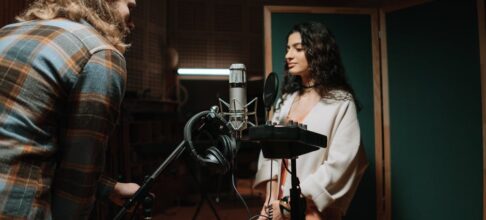
Nobody in the Shanghai studio was expecting Tencent to veto the third round of voice over pickups—again. But that’s exactly what happened last December, when a localization team working on a mid-tier mobile RPG found their revised Mandarin dialogue tabled for re-recording due to “cultural resonance issues.” The surprise wasn’t about quality or talent. It was about context, nuance, and—crucially—the way major players now expect Chinese voice over production to go far beyond dubbing lines.
The industry conversation obsesses over AI clones and regional accents, but misses the real shift: Chinese voice over is morphing from service work into strategic storytelling. And it’s not only happening at megacorps like Tencent or Bilibili. In late , a small Berlin-based game studio, Daedalic Entertainment, spent nearly % more on their Mandarin dub compared with English—because the publisher demanded narrative consulting and full cast rehearsals with local linguists involved. That’s something you rarely saw even three years ago.
#### The Invisible Middle Layer: Cultural Script Doctors
Here’s what almost nobody talks about outside the inner circle: much of the new energy goes into script adaptation before microphones are even switched on. For example, Iyuno-SDI Group—a top localization vendor—now runs dedicated cultural consultancy teams out of their Beijing office. Their job? Not just literal translation or accent correction, but deep dives into subtext and social references that might make or break a show’s mainland release.
In practical terms, this means workflows drag by –% longer than western counterparts. A K-drama getting dubbed for iQIYI will see its scripts pass through two rounds of “Chinafication” before actors ever enter the booth. According to an Iyuno project lead in Shenzhen, “our biggest headache isn’t finding voices—it’s keeping up with shifting mainland standards for everything from slang to historical allusions.”
#### Why AI Dubbing Isn’t Eating Everything Yet
Plenty has been written about AI-generated voices infiltrating global media, but here’s a data point overlooked by most outsiders: As of Q1 , less than % of high-profile streaming titles released by Youku featured any significant synthetic narration in core roles. There are technical reasons—Mandarin tonal subtleties trip up most Western AI tools—but there are also branding anxieties.
One Beijing-based studio manager told me bluntly: “We tested ElevenLabs and some local competitors for secondary characters in our animated series. Great for background villagers—not for leads or nuanced comic roles.” Studios like Base Media (known for VFX on Hollywood blockbusters) still insist on human-led VO casting sessions when handling prestige projects destined for both China and export markets.
#### A Case from Poland: When Localization Isn’t Enough
Take Platige Image in Warsaw—a company better known for Witcher cinematics than Asian content. In early they handled Mandarin localization for a pan-Asian mobile ad campaign targeting both southern China and Taiwan users. Their workflow revealed something crucial: neither standard Mainland nor Taiwanese accent worked across test audiences; instead, they contracted two parallel teams just to record region-specific flavor into identical scripts.
The kicker? Their client requested not only separate dubs but two distinct sound design mixes to match user expectations shaped by decades of regional TV habits. The cost doubled versus a single European language version—and timelines stretched four weeks past what the same campaign required in French or Spanish.
#### Streaming Platforms Redefine Expectations Fast
Go back five years—to around —and Netflix-style platforms didn’t even have dedicated Mandarin VO pipelines outside Los Angeles or Hong Kong hubs. Today, iQIYI and Bilibili operate sprawling VO departments that routinely vet scripts against state guidelines and audience analytics before greenlighting any dialogue track.
A typical workflow at Bilibili involves running feedback loops from pilot episodes posted online—where fans can critique line reads in real time via bullet comments (“danmu”). This instant feedback mechanism shapes pickup schedules within days rather than months—something European TV studios still marvel at (and occasionally envy).
#### What Nobody Wants to Admit About Actor Shortages
With demand rising fast (mainland streaming subscriptions crossed million in late ), talent supply is tightest where it matters most: versatile character actors who can jump between dialects without sacrificing emotional authenticity.
In Guangzhou studios working on children’s animation dubs this spring, directors juggled as many as four projects per actor simply because there weren’t enough skilled performers available at union rates—even with remote recording setups enabled post-pandemic.
Some agencies now invest directly in training programs: Shanghai Voice Academy reported a % uptick in enrollments since —but output lags behind current market needs by an estimated two-year gap at minimum.
#### So Where Next? Not Just Bigger Budgets—Wider Horizons
The old model—outsource bulk dubbing to low-cost sweatshops—is already dead at the top end of the market; mid-tier producers are catching up fast out of necessity rather than choice.
A few forward-looking shops (like Sydney-based Beyond Dubbing) now propose hybrid workflows where story consultants co-write dialogue tracks alongside local voice leads—instead of treating adaptation as an afterthought stapled onto translation deadlines.
Could this become standard? Not overnight—but if recent moves by NetEase Games (who have begun recruiting narrative designers specifically for international VO projects) are any guide, expect more cross-pollination between creative development and linguistic engineering teams.