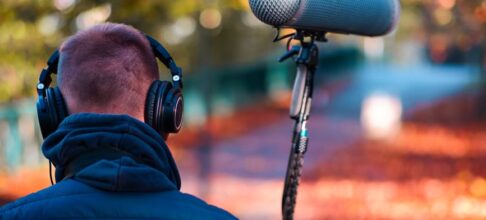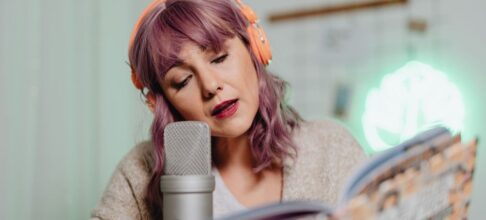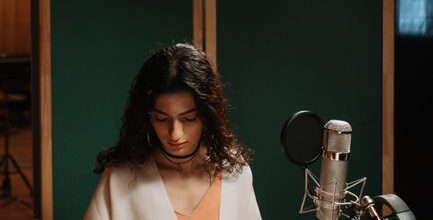
The myth of the laid-back Aussie voice, all sun-bleached vowels and easygoing drawl, is fading fast. At least, that’s what you’ll hear in the corridors of Sydney’s post-production houses these days. Walk into the offices of local powerhouse Cutting Edge (Brisbane, Sydney, Gold Coast), and you’re as likely to find a producer poring over Mandarin versions of a children’s series as listening to the latest Qantas campaign. The landscape isn’t just changing—it’s morphing at breakneck speed.
When Did “Australian” Stop Being Just an Accent?
It wasn’t so long ago—say, mid-2000s—that most agencies viewed Australian voice work as a box to tick: friendly bloke for beer ad? Check. Reliable mum for supermarket? Check. But by , with streaming platforms like Stan and Netflix flooding living rooms from Darwin to Launceston, demand shifted dramatically. Suddenly, authenticity trumped cliché. A new wave of casting directors began searching not just for “an Aussie sound,” but for real regional diversity: Torres Strait Islander lilt here, Western Sydney intonation there.
This shift is clear in projects like “Bluey.” Ludo Studio (Brisbane) insisted on casting actual Queensland kids—rejecting generic child actors from elsewhere—for the show’s breakout success. By early , more than % of their castings had moved away from traditional agency rosters and toward open call-outs targeting underrepresented voices.
Tech Unleashed: AI Voices Push Boundaries (and Buttons)
Here comes the paradox: while Australia’s production scene hungers for authenticity, global tech giants are rolling out AI voice tools at record pace. Sydney-based Squeaky Clean Studios trialed ElevenLabs’ synthetic voices during late post sessions for explainer videos—the result was jarringly accurate but oddly soulless.
In practice, most local studios treat AI as a supplement rather than substitute. A typical workflow in Melbourne’s Sonic Playground involves using Respeecher or Replica Studios (the latter founded in Sydney) to generate scratch tracks or fill-in dialogue when talent is overseas or unavailable due to COVID-era travel constraints. In one recent campaign for Tourism Australia targeting German-speaking markets, roughly % of placeholder audio came from AI before being swapped out for human performances in final mixes.
Despite its utility for temp tracks and quick turnarounds, few major brands risk full AI deployment for broadcast yet—a telling sign that Australian ears still crave nuance only humans deliver.
Exporting More Than Koalas: The Global Audition Room
It’s not just about sounding “Aussie” anymore; it’s about exporting it credibly. In recent years, international video game publishers—including Ubisoft and Tencent—have sought distinctly Australian characters voiced by homegrown talent. For example: Ubisoft tapped Adelaide-based actor Phoebe Taylor to lead English-language character work on "Far Cry 6" DLC localized specifically for Southeast Asian markets.
Meanwhile, LA-based localization agency Side Australia (which opened its Sydney branch in ) now sources nearly half its talent pool from regional NSW and Victoria—an intentional pivot after feedback from US clients who found earlier attempts too generic or “stagey.”
For many performers outside major cities, this has sparked a cottage industry of remote home studio builds—in alone, Rode Microphones reported a % sales spike in USB mics across rural Australia—and created new workflows where auditions happen via Source-Connect rather than city-center booths.
Diversity Isn’t Just Lip Service—But It Isn’t Simple Either
Plenty of press releases trumpet commitment to First Nations inclusion or LGBTQ+ representation in media casting—but how does that play out on the ground? In reality: inconsistently.
Take Goolarri Media Enterprises in Broome; they’ve developed their own training programs connecting Indigenous storytellers with experienced narrators and technical mentors since at least . Their collaboration with ABC Radio on community-driven documentary projects led to four debut voice talents getting national airplay last year alone—a first for some remote communities.
Yet compare that with commercial radio imaging across metropolitan markets: despite calls for inclusivity post- Black Lives Matter protests, less than % of prime-time station IDs feature non-Anglo accents according to informal tallies within industry Slack channels surveyed by this writer between January–May .
Streaming Is a Hungry Beast—and Local Voices Feed It Differently Now
Ask anyone working inside Foxtel Group or SBS On Demand about volume—they’ll talk tsunami metaphors before you finish your question. From mid- onward (when Disney+ entered the market), requests for quick-turnaround promo dubs have skyrocketed by what one producer described as “triple digits.”
But unlike traditional TV schedules where campaigns ran weeks ahead, today’s content drops can require same-day language adaptation—or even multiple dialect versions within hours depending on social media traction metrics scraped by marketing teams each morning.
One example seen at Big Ears Audio (Melbourne): during FIFA Women’s World Cup coverage in July , producers commissioned nine different takes featuring various regional inflections—from South Australian flatness to Northern Territory cadence—to test engagement levels among micro-targeted digital audiences nationwide.
Home Studio Nation—A Blessing or Breakdown?
COVID forced everyone indoors; voice over was no exception. Almost overnight in March–April studio bookings fell off a cliff—yet scripts kept coming thanks to Netflix Originals and ad agencies scrambling to keep up with shifting consumption habits. The response? Mass migration toward home recording setups built around Røde NT1s or Aston Origin mics stuffed into linen closets and car backseats.
By late , almost every third freelancer represented by EM Voices reported owning ISDN replacement gear such as Source-Nexus or ipDTL interfaces—a trend especially pronounced among younger Gen Z artists entering the field post-pandemic who see remote work not just as stopgap but default mode.