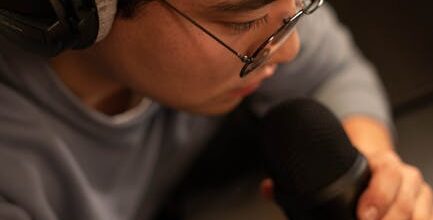
From a cramped sound booth in Moscow’s Khamovniki district to a production floor in Warsaw, the myth of seamless Russian voice over persists. Anyone who’s witnessed a live localization session for a Netflix original—say, in the mid-2010s—knows that what audiences hear is rarely as effortless as it sounds. But what actually happens behind those thick studio doors?
Not All Dubbing Is Born Equal
Let’s be blunt: Russian dubbing has always been both admired and mistrusted. In the late 1980s, when VHS tapes with single-voice “Gavrilov translations” flooded post-Soviet living rooms, nobody mistook them for Hollywood. Yet by , when Disney’s "Frozen" premiered with full-cast Russian dubbing produced at NevaFilm Studios in St. Petersburg, expectations had shifted entirely.
A localization manager at BUKA Entertainment—a major Russian game publisher—once described their process as “organized chaos.” For games like Metro Exodus (released globally in ), localization involved not only translating dialogue but also adapting slang and emotional nuance into something a Muscovite teenager might actually say during an apocalypse. The first recording session typically involved three voice directors, seven actors on rotation, and one QA engineer flagging every phrase that sounded remotely Polish.
Workflow Realities: Schedules versus Sanity
In theory, a streamlined pipeline goes something like this:
But reality is sloppier. Take AMEDIA Production—the Moscow-based studio responsible for localizing HBO series into Russian since the early 2000s. Deadlines are routinely crushed by last-minute script changes from LA, misaligned timecodes, or simply because a lead actor’s voice cracks after six hours of shouting Game of Thrones battle cries into an SM7B microphone.
Numbers—and What They Don’t Say
The Russian dubbing industry isn’t exactly transparent about its scale, but several major studios (like SDI Media Russia) have reported handling upwards of hours of content per month during peak TV seasons around –. Gaming dubs lag behind film and TV in volume but often require more takes per line due to interactive scripts and branching dialogue.
In Poland—a neighboring market where studios like Start International Polska regularly handle both Polish and Russian tracks for pan-regional releases—the typical turnaround window for an animated feature hovers between two to four weeks from translation sign-off to finished audio master.
A Mini Case: AI Tools Enter Stage Left (and Sometimes Exit Right)
Since , experiments with AI-assisted dubbing have started appearing even among established players like Melnitsa Animation Studio in St. Petersburg. One project—a children’s web series originally voiced in Spanish—used Respeecher to generate rough draft tracks before human actors stepped in for final takes.
The workflow: AI-generated voices handled initial timing guides; then directors layered human performance on top, correcting rhythm and emotional inflection manually. In practice? It shaved about % off total studio time but required extra linguistic review to catch algorithmic gaffes (“robotic” monotones still plague most synthetic Slavic voices).
However, most premium projects—for platforms like IVI.ru or Okko—still insist on fully human casts for marquee titles. As one studio head put it: “Our audience notices if Anna Karenina suddenly sounds like Google Translate.”
Regional Nuance: Kazan versus Kaliningrad (and Beyond)
There’s no such thing as a single "Russian" approach to voice over—regional dialects matter more than outsiders suspect. A campaign I observed for Yandex Music featured promo spots recorded separately in Kazan (with soft Tatar-influenced accents) and Kaliningrad (leaning Baltic). The difference was subtle to non-natives but critical according to focus group feedback collected by their ad agency partner.
This regional diversity complicates casting decisions—especially when projects target CIS-wide distribution rather than just Moscow or St Petersburg urbanites.
When Star Power Backfires…
Sometimes celebrity casting brings its own headaches; think Sergey Burunov voicing multiple lead roles across franchises—from "Zootopia"’s Nick Wilde (Disney Russia) to countless car insurance ads—which can trigger complaints about lack of vocal variety among younger listeners who binge-watch dubbed content across genres.
Anecdotally, some Moscow studios now rotate secondary talent more aggressively after seeing social media backlash against perceived overuse of familiar voices post- pandemic streaming boom.
Subculture Showdowns: Gamers versus Cinephiles versus Streamers
In gaming circles—a community notorious for scrutinizing every syllable—there are persistent jokes about certain RPG villains always sounding suspiciously similar regardless of franchise (“Did they record these all on one rainy Sunday?”). Localization leads at Wargaming.net (the Belarus-born company known for World of Tanks) sometimes run blind tests among player focus groups in Minsk before approving final mixes intended for millions of CIS users.
Streaming platforms add their own quirks: IVI.ru began experimenting with “dual audio” options back in late after analytics showed nearly % of users toggled between English original tracks and Russian dubs within minutes—a data point that forced their production teams to rethink pacing and tone so each version held up independently.
Tangible Shifts Since Mid-2010s
Budgets are tighter; deadlines shorter; audience expectations higher than ever before—especially since the success of homegrown hits like "Major Grom" (Bubble Studios/Netflix Russia co-release) demonstrated that local productions could outdo imported ones in both quality and box office returns circa –.
Remote collaboration tools gained traction rapidly post-COVID lockdowns across Eurasia—with Slack channels buzzing day and night between script adapters based in Tbilisi and sound engineers mixing from Novosibirsk—but this convenience didn’t eradicate old problems like accent drift or inconsistent character voicing across multi-season shows.
An Unexpected Upside: Training Grounds Grow Up Fast
Several university programs—in particular VGIK (Gerasimov Institute of Cinematography) launched intensive short courses on voice acting since around —not only feeding talent pipelines but also raising industry standards thanks to partnerships with commercial studios like Mosfilm-Master Sound Group.
Students get hands-on experience shadowing pros during live sessions—a practice once reserved only for insiders—which has led to noticeable improvements in performance consistency year-over-year according to annual surveys shared informally among Moscow studio managers.