A decade ago, the question of authentic African American voice over would sometimes spark awkward silences at creative meetings in Manhattan or LA. "Urban," "edgy," or even "street" were codes thrown around—sometimes by well-meaning producers, sometimes not. Fast-forward to , and the industry’s vocabulary has shifted (mostly), but the demand for nuanced, culturally resonant voice performances is higher than ever. The journey from casting call to finished product is anything but straightforward. Here’s a step-by-step breakdown rooted in real-world workflows and cases.
Casting: The Subtle Art of Getting It Right
Let’s start in Atlanta—a city that’s become a hub for Black media production since Tyler Perry Studios began reshaping Georgia’s entertainment landscape around . When Audible launched its ambitious “Black Stories” audio collection in , they didn’t just want any voice actors—they wanted artists who could deliver authenticity across genres. In practice, this meant their casting directors worked closely with agencies like Stewart Talent and WME (both with sizable rosters of African American talent) to source voices reflecting a range of regional inflections: Southern warmth, Midwestern cadence, New York energy.
But it goes beyond accent. As Sharon D. Clarke, a BAFTA-nominated actress who has done narration work for BBC Sounds, once quipped: “They don’t want you sounding Black—they want you sounding *right*.” In other words, producers are looking for something ineffable—cultural fluency paired with technical mastery. This often leads to longlist auditions where – reels are reviewed per role before callbacks are scheduled.
The Booth Is Not Neutral Ground
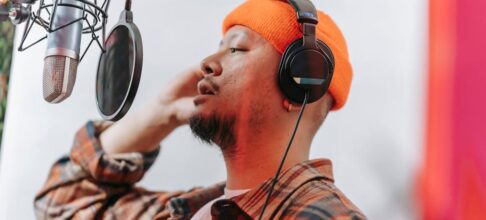
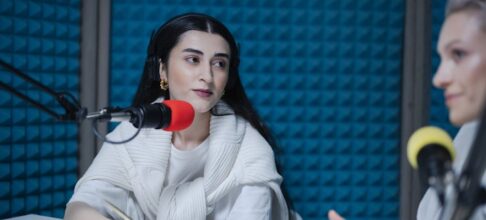
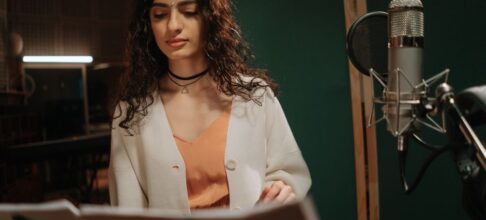
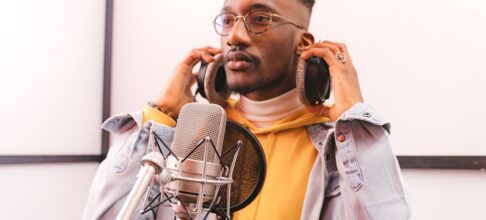
Once casting wraps up, recording usually happens at established studios like Sound Lounge in New York or Eleven Sound in Los Angeles. But smaller operations get their shot too; Atlanta-based Blue Room Studios handled an entire season of an animated kids’ show for Netflix in using local Black voice talent.
In these sessions, direction matters as much as delivery. A typical scenario: the script calls for subtle code-switching—maybe formal English switches to AAVE (African American Vernacular English) mid-scene. Directors who lack cultural context often fumble here; experienced ones know when to let actors improvise and when to stick tight to copy.
Writers’ rooms have gradually gotten more diverse (a Writers Guild West report from estimated about % of scripted audio roles went to Black writers), which helps ensure dialogue feels lived-in rather than imitated.
Editing & Review: Layered Voices and Second Opinions
After initial takes are recorded—often a mix of three best versions per line—the editing team steps in. At London-based localization firm VSI Group (which handled the UK release of several Disney+ shows featuring Black casts), editors routinely consult with cultural consultants during post-production on projects requiring sensitive handling of dialect and slang.
One recurring challenge: ensuring clarity without flattening character. For example, on an educational gaming project adapted for Chicago public schools in , studio staff brought in two teachers from predominantly Black neighborhoods to listen through final cuts and flag anything that sounded forced or artificial. That project saw retakes on nearly % of lines after initial review—evidence that authentic voice over demands community involvement.
Distribution Demands: Streaming Changes Everything
With streaming platforms hungry for representative content—Peacock announced a dedicated “Black Voices” section in early —it’s no longer enough just to sound authentic locally; global audiences tune in too. French and German dubbing teams working on US-made series often reference original African American performances closely so nothing is lost in translation.
This cross-border workflow can get complex fast: when Berlin-based G&G Studios dubbed HBO Max’s drama series "South Side" into German last year, they held remote sessions with the original US actors to clarify intent behind certain lines heavy with wordplay or cultural references—a process that added roughly % more time compared to standard dubs according to G&G’s own production manager.
Tech Shifts: AI Enters the Booth—but Not Uncontested
AI-generated voices have entered the arena but remain controversial here—especially among creators fighting for cultural specificity. While synthetic voices can mimic tone or cadence (Respeecher demonstrated prototype AAVE models at NAB Show Las Vegas earlier this year), most major brands tread carefully.
For instance: Spotify’s podcast division experimented briefly with automated AAVE narration tools on internal pilots but reverted back after early feedback flagged uncanny-valley issues and missed nuance—the difference between “performative” versus actually performed was glaringly obvious even without side-by-side comparison.
Money Matters—and It Isn’t Evenly Distributed Yet
Pay rates vary wildly depending on platform and project scale; union jobs through SAG-AFTRA guarantee minimums ($+/hr for narration as of ), but many indie game studios still pay session fees below recommended thresholds unless pushed by agents or advocacy groups like Black Women Animate.
Recent years have seen modest progress—in fact, according to a survey by Atlanta-based agency Greenlight Media last year, demand for African American VO rose by about % between – across commercial advertising alone—but access remains uneven regionally (New York and LA dominate high-paying gigs).
From Briefs To Broadcasts: The Real Step-By-Step Workflow Recap
1) Creative brief defines target audience/desired tone (often specifying degree of cultural fluency).
2) Casting directors source talent via agencies or targeted open calls—multiple rounds common for key roles.
3) Recording sessions happen at pro studios; collaborative direction adjusts performance live—including improvisation as needed.
4) Editors produce multiple takes per line; outside consultants may review scripts/audio if required by client guidelines.
5) Final mixes undergo quality check before delivery; international versions adapt key elements based on origin performance—all tracked via detailed QA logs (some large productions log > individual notes per episode).
6) Post-release monitoring checks reception on platforms like TikTok (#voiceoverartist had over half a billion views globally by late-), feeding insights into future projects’ briefs.
Final Word? Authenticity Is Iterative—not Static
There isn’t one definitive model because every campaign brings its own pressures—from budgets to deadlines to audience expectations shifting overnight when a meme goes viral or an actor wins an Emmy (see Quinta Brunson's meteoric rise impacting ad bookings after her Abbott Elementary win). If there is any constant it’s this: true resonance comes less from technology than from teams willing to listen—to their talent and communities alike.