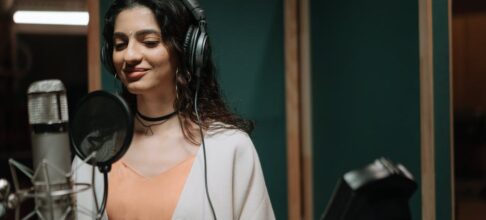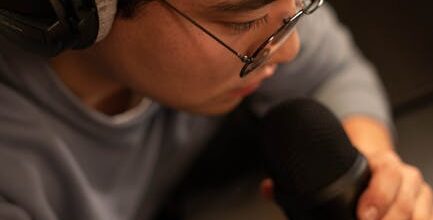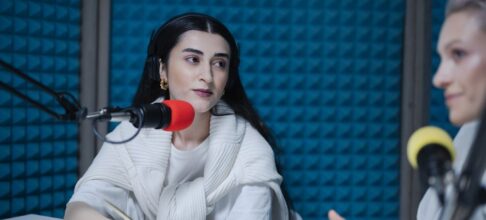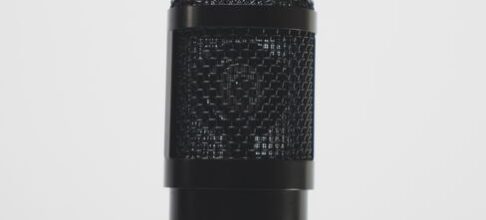
The myth persists: Estonia, a digital darling in Europe, is too small for serious voice over work. Too niche, too peripheral—at least that’s the story you hear from London agencies or American publishers skimming the map for their next big localization push. But scratch beneath the surface and there’s a far more tangled—and quietly impressive—reality to Estonian voice work than anyone outside Tallinn seems willing to admit.
A Market Built by Subtitles, Not Dubbing
Walk into any living room in Tallinn during the late 90s and you’d have seen an odd hybrid: Western films flickering on CRT screens, actors speaking English or Russian, and a scrolling line of crisp white Estonian text below. Unlike Poland or Germany—where voiceover (or even more so, dubbing) dominated mainstream content—the Estonian market carved its tradition around subtitles. The reasons were pragmatic: budgets were small, audiences tiny. Dubbed content was rare; a luxury reserved for children’s programming on ETV2 or imported anime like “Pokémon.”
For decades, this meant that few studios specialized in voice over beyond classic radio drama or educational media. Even as Netflix and Amazon Prime swept into the Baltic region around 2016–2017, industry insiders like Argo Ader—a veteran audio engineer at Helistuudio OÜ—describe an ecosystem that felt like it had missed out on the golden age of European dubbing entirely.
But then something shifted.
When Local Voices Became Strategic Assets
By 2020, global gaming companies had started to see Estonia not just as a tech hub but as an untapped linguistic asset. Finnish studio Remedy Entertainment (makers of "Control" and "Alan Wake") began experimenting with local-language support for Baltic players—a move mirrored by Ubisoft when launching regionally localized versions of "Assassin's Creed Valhalla." Suddenly, Estonian voice talent wasn’t just translating lines—it was breathing identity into characters for games played by thousands locally.
Most tellingly: smaller shops like VA Studios in Tartu found themselves fielding requests from Swedish audiobook publishers and Norwegian e-learning firms looking specifically for native Estonian narrators—not just translators reading off a script. In practice? This meant breaking out old Sennheiser mics from radio days and training actors who’d only ever done stage work to perform minute-long bursts of technical jargon about everything from banking apps to wildlife documentaries.
Numbers are hard to pin down—Estonia’s entire population barely surpasses 1.3 million—but according to Elina Hango at Eesti Audiokirjastus (Estonia Audiobook Publishing), demand has grown by at least 20% year-on-year since 2018 for professional-grade spoken word content alone.
AI Tools and Unlikely Adaptations
Here’s where things get stranger—and perhaps uniquely Estonian. In typical production workflows elsewhere in Europe, AI-powered platforms like Respeecher or Descript are used mainly for quick-and-dirty pre-production drafts or automated podcast narration. But several Tallinn-based post houses have begun using these tools as linguistic bridges rather than full replacements.
In one real-world scenario observed at Digibox Studios (a regular partner for Scandinavian TV adaptation), AI-generated draft reads are first created using neural voices trained on archived broadcasts from ERR (Estonian Public Broadcasting). These synthetic tracks serve as guides—helpful when dealing with tongue-twisting idioms or hard-to-pronounce scientific terms—before live actors step in to deliver final takes with actual human emotion intact.
“It's not about replacing talent,” says Liisa Randmae, Digibox’s project lead on Nordic-Baltic co-productions. “It’s about making sure no nuance is lost between translation and performance—even if our budgets mean we can’t do endless retakes.”
Voice Over Goes Grassroots: The Podcast Boom
The unexpected twist? The most vibrant growth isn’t even coming from big corporate localization deals—it’s grassroots audio storytelling.
Since roughly 2021, there’s been an explosion of indie podcasts in Estonia—many produced out of spare bedrooms with nothing more than Rode NT1s and GarageBand setups. Shows like “Vikerraadio Õhtu” routinely pull tens of thousands of listeners per week—a staggering feat given Estonia’s population size—and have made household names out of presenters who double as commercial voice talent during business hours.
These home-grown creators frequently cross over into professional projects: after hosting two seasons of his true-crime podcast “Kadunud Lood,” Mart Reimann landed narration gigs for Visit Estonia tourism campaigns streamed globally via YouTube and Facebook Ads targeting Finnish travelers. It’s become common practice now for brands to scout podcast hosts as new voices for advertising reels—a reversal compared to older models where ad agencies would search stage actors first.
Localization Oddities: Children’s Media versus Streaming Giants
One contradiction defines the landscape: Children get dubs; adults still get subtitles—or nothing at all. When Netflix added Estonian-language interface options in mid-2020s, parents noticed quickly that Peppa Pig spoke fluent local dialect while Stranger Things remained stubbornly subtitled.
This isn’t just cultural inertia—it’s cold economics meeting EU accessibility mandates head-on. According to data shared informally by Elisa Eesti (one of the country’s main telecoms), under 10% of adult-oriented international series receive full Estonian voice treatment annually on their streaming platforms; kids’ content sits closer to 85–90% coverage thanks largely to government co-funding via Kultuurkapital grants targeting early language acquisition initiatives.
Behind Closed Studio Doors: How Projects Really Happen Now
So what does a day-in-the-life look like inside a real Tallinn voice over workflow?
A typical campaign might begin with an email ping from Denmark—a Copenhagen ad agency wants a 30-second spot voiced by someone who sounds authentically “Baltic but approachable.” Project managers juggle WhatsApp groups connecting three freelance narrators across Estonia (one moonlighting as a theater director), script notes fly back-and-forth between translators working remotely from Viljandi and Tartu, while sessions take place after-hours because the best studio rates fall outside peak music production slots.
No one here is doing six-figure contracts—but turnaround is lightning fast compared to larger markets; two-day delivery isn’t unheard-of even with last-minute revisions coming in overnight due to timezone differences between Tallinn and Stockholm clients. Rarely will you find more than three people physically present in-studio; COVID-era remote recording setups persist long after official restrictions faded away.
Unresolved Contradictions – And Why That Might Be Good Enough
Is there enough work? Is it sustainable? These are uncomfortable questions asked quietly among every actor-turned-narrator I’ve met here since my first visit back in winter 2014 when radio PSAs were still considered high art among local creatives. There aren’t easy answers—but perhaps that unpredictability is precisely why Estonian voice over feels less commodified than elsewhere right now.
Unlike bigger European countries where pipeline automation threatens traditional artistry—or US agencies increasingly favor synthetic voices over unionized talent—the micro-scale here leaves room for experimentation without existential panic over each new tool release or rate squeeze from international buyers.
What Comes Next?
If current patterns hold—a steady trickle of gaming jobs from Finland, slow expansion into audiobook exports driven by partnerships with Sweden's Storytel platform—Estonia may never rival Paris or Warsaw for sheer volume but could quietly become indispensable for regional authenticity across multiple genres where subtlety matters more than scale.
Perhaps that remains the best-kept secret about this overlooked sector: not its limitations but its adaptability—the way every constraint becomes another chance at reinvention.