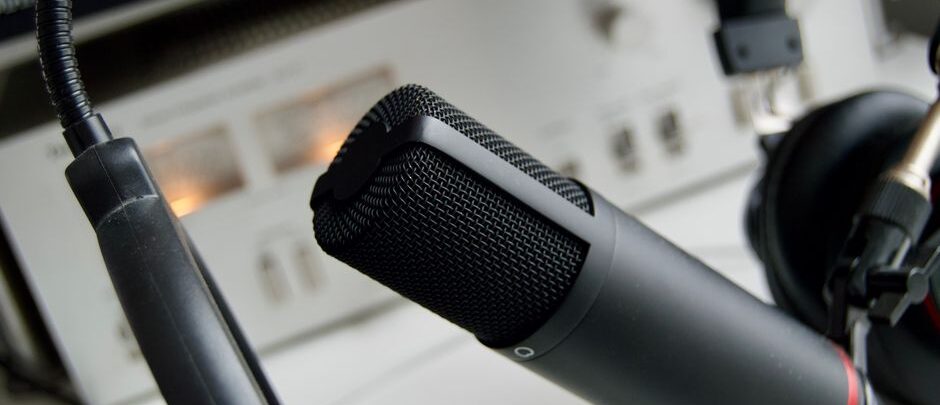
If you walk into the central Copenhagen office of SDI Media (now part of Iyuno), it’s never entirely silent. There’s always a faint hum—mixing rooms at work, voice actors cycling in and out, project managers on headsets juggling schedules. This is the backbone of Danish voice over: less flashy than its American counterpart, but every bit as complex.
When Netflix Knocked: The Localized Streaming Boom
A decade ago, Denmark was barely on the radar for global dubbing initiatives. Subtitles ruled. Then came the mid-2010s streaming explosion—Netflix, Disney+, Viaplay—all eager to conquer Nordic living rooms. Suddenly, “original audio with subtitles” wasn’t enough for family content or animation.
By 2017, demand for high-quality Danish dubbing had ballooned. Studios like Iyuno-SDI in Frederiksberg found themselves onboarding twice as many freelance voice talents compared to their 2014 rosters. Localization budgets from Netflix or DreamWorks (think "Trollhunters," "Boss Baby"), once allocated mainly for German, French or Spanish markets, now earmarked a real percentage—often 10–15% of total Nordic spend—for Danish audio production.
Inside a Typical Production Cycle: Lyngby Case Study
Take an actual case from a suburban Lyngby studio specializing in gaming localization. In 2022, they handled the Danish adaptation of a major mobile RPG title originally produced by a Korean developer. The workflow started with casting: three lead roles and nine minor characters across 70 minutes of dialogue.
They used VoiceQ software to manage sync and timing—a tool increasingly common in European studios since around 2018. Scripts were first transcreated by bilingual linguists; then directors coordinated session blocks with talent who often split time between commercials and children’s TV. Audio engineers noted that retakes averaged about 12% of all lines recorded—significantly higher than the English version due to Danish consonant clusters making lip-sync more challenging on cartoonish mouth movements.
Quality checks included both linguistic QA and playback tests by native-speaking gamers under NDA. The project wrapped with four days’ margin before launch—tight, but not unusual given game release cycles.
Why Not Just Use AI? (And What Actually Happens)
AI voice tools like Respeecher and Speechmatics are nudging into European workflows. But anyone claiming full automation is either selling or dreaming. One anecdote: A Copenhagen ad agency experimented in early 2023 with AI-generated reads for a regional bank campaign—the result sounded passable in preview but failed cultural nuance checks during final review (“too robotic…not trustworthy,” according to client notes).
Most agencies ultimately blend techniques: synthetic voices for scratch tracks or quick demos; human talent for broadcast-ready material—especially where intonation and local idioms matter.
Casting Hurdles Unique to Denmark
Danish productions face peculiar casting dilemmas: there are perhaps only 200–300 established voice actors working across dubbing, commercial VO, radio drama, and e-learning nationwide—a fraction compared to German or French pools.
This scarcity means recognizable voices pop up everywhere—from LEGO City Adventures on TV2 Zulu to automated phone systems at DSB railways. In one notable case from late 2021, viewers joked on social media that "the same guy is now my GPS voice AND the villain in my kid's favorite show." It’s partly true—voice actor overlap is almost unavoidable at scale here.
Corporate Campaigns vs Animated Features: Different Beasts Entirely
Corporate clients—Carlsberg beer launches or Maersk internal training videos—have different priorities than film distributors localizing Pixar movies for Nordisk Film’s cinema chains.
One pattern observed repeatedly: corporate projects demand ultra-fast turnaround (sometimes sub-48 hour delivery) and emphasize clarity over artistry. Animation dubs can stretch over weeks; directors obsess about emotional authenticity that holds up against original performances.
At Adwise Media Group (a mid-size agency based near Aarhus), project managers report that roughly half their annual VO bookings go to explainer videos targeting export markets; only about 20% involve entertainment IP requiring unionized talent and extensive direction.
Historical Reference Point: From Subtitles to Full-Fledged Dubbing
The shift didn’t happen overnight. As late as the early 2000s, even most Disney releases arrived in theaters with subtitles only—a legacy of Denmark’s long reading culture (and tight budgets). But by the mid-2010s—and especially since COVID-era streaming surges—the expectation changed among younger audiences raised on Peppa Pig dubbed directly into Danish rather than voiced-over English originals.
Now even second-tier platforms like HBO Max routinely order full-cast dubs instead of just subtitled streams—a marked change from ten years ago when only top-grossing titles got this treatment.
Audio Postproduction Under Pressure
Typical post workflows include two rounds of mix/master sessions per episode—or more if dealing with musical numbers common in kids’ series.
Sound engineers at Mainstream Studio Copenhagen estimate dialogue replacement accounts for nearly 30% of their annual billings post-2021—a leap from pre-pandemic levels closer to 15%. Demand spikes each autumn ahead of Christmas programming blocks (“Julekalenderen” shows are notorious crunch points).
Regional differences exist too: Norwegian neighbors tend towards more naturalistic readings; Danes prefer slightly heightened delivery bordering on theatricality—at least according to feedback tracked via audience testing surveys run by consultancy Audience Project since 2019.
Gaming Industry Crossover & New Talent Pipelines
Gaming giants like IO Interactive (makers of "Hitman") have begun recruiting non-traditional VO talent via TikTok casting calls since around late 2022—a workaround driven by both pandemic disruptions and evolving audience tastes favoring authentic accents over polished stage voices.
In recent campaigns localized for PlayStation Nordics, producers have selected amateur streamers who built followings online rather than union-trained performers—hoping fresh voices will resonate better with Gen Z gamers accustomed to YouTube spontaneity versus classic radio cadence.
Budget Realities—and Unspoken Constraints
It would be naive to ignore budget ceilings prevalent across much of Scandinavia’s media sector—even big studios usually set aside less than €50k per season for full-series VO on streaming-first properties unless co-financed internationally (by contrast, German versions can reach double that figure).
This constraint forces streamlined session planning and heavy reliance on versatile actors able to switch registers quickly between roles within the same recording day—a practice almost unheard-of at major UK/US dubbing houses where union agreements enforce stricter role separation guidelines.
Looking Ahead Without Predictable Forecasts
of course there will be AI breakthroughs; yes, remote recording setups are sticking post-pandemic (roughly half of all sessions at Viborg-based Soundmill Studios now happen via Source Connect links). But what defines modern Danish voice work isn’t any single technology—it’s how small teams adapt resourcefully under real constraints while keeping creative standards surprisingly high given such a compact talent base.