The Inconvenient Geography of Language
Ask anyone at a mid-sized localization agency in Madrid why they rarely pitch Catalan dubs for international content, and you’ll get familiar answers: too niche, too costly, minimal ROI compared to Castilian Spanish. Yet that logic starts to fall apart when you look at what actually happens on platforms like Filmin (Barcelona-based) or even Disney+ Spain post-. They aren’t investing in Catalan out of charity or cultural nostalgia; they’re responding to patterns few outsiders track closely enough.
In , Filmin reported that over % of its localized streams within Catalonia were for titles available in Catalan audio—not subtitles. That figure surprised even internal staffers who’d expected single-digit uptake outside flagship originals. Meanwhile, Netflix’s pilot with select animated films dubbed into Catalan resulted in measurable spikes (between –%) in engagement from family users based around Girona and Lleida—enough for their EMEA localization team to authorize a second slate.
Workflow Realities: When Subtitles Won’t Do
The textbook answer is that subtitling is cheaper and quicker. True—if your audience expects subtitles. But as several project managers at Elamedia (a Madrid-to-Barcelona dubbing pipeline) will confirm, children’s content and animated series almost always require full voiceover when targeting regional language households. Otherwise? Usage tanks.
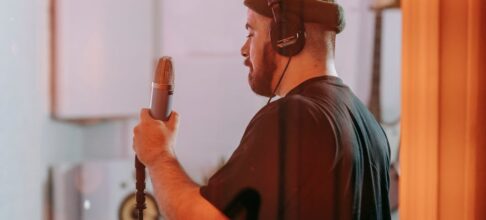
A concrete scenario plays out every spring: TV3 commissions new seasons of European animation for after-school slots. Their Barcelona-based sound engineers receive raw French or English dialogue tracks on a Friday; by Monday they need fully dubbed episodes ready for broadcast—with all child actors sourced locally to ensure authenticity. While the workflow is traditional (studio recording sessions rather than AI synthesis), there are subtle differences compared to equivalent projects in Warsaw or Berlin—most notably the extra QA rounds demanded by linguistic consultants ensuring dialectal precision.
The Economics Few Want to Discuss
Producers know Catalan voice work costs more per capita than Castilian equivalents—sometimes by as much as %. The talent pool is smaller; studios like LAVINIA NEXT (Sant Just Desvern) routinely poach freelancers from neighboring Valencia or even bring back veteran performers semi-retired since the early 2000s heyday of TVC’s golden era.
Yet these same producers have started noticing something almost embarrassing: projects with full Catalan audio routinely outperform projections in terms of local sponsorship and brand engagement metrics. A campaign by an FMCG brand targeting families in metropolitan Barcelona saw ad recall lift by nearly % when spots ran with native voice actors versus pan-Spanish versions—a pattern confirmed by agency strategists at DDB Barcelona during media planning reviews last year.
Technology Isn’t Leveling the Field—Yet
AI voice tools like Replica Studios are making waves elsewhere—in German games localization pipelines out of Hamburg or indie film houses across Poland—but their impact remains muted for minority languages with nuanced phonetics like Catalan. In real campaigns observed at a boutique studio near Gràcia district last autumn, synthetic voices were rejected after pilot testing due to “unsettling” intonation mismatches that broke immersion for focus groups aged –.
That said, smaller publishers are experimenting cautiously: one educational app developer based in Sabadell used ElevenLabs’ multilingual engine to prototype bedtime stories narrated in both standard and Western-Catalan accents before reverting to human actors for final release due to quality concerns voiced by teachers during soft launch feedback rounds.
The Cultural Stakes Are Not Optional Anymore
It would be easy (and comfortable) for global platforms to default back to Spanish-only tracks whenever budgets tighten—but there’s reputational risk now attached. In early , when HBO Max launched several hit originals without any regional audio options beyond Spanish, local press coverage was swift and negative; user churn spiked among younger demographics within Catalonia according to data quietly shared by a contracted analytics firm based in Badalona.
Contrast that with success stories like Super3—the children’s channel owned by CCMA—which has built generational loyalty specifically because its shows never compromise on native language VO casting. This isn’t theoretical pride; advertisers increasingly insist on native-language inventory during upfront negotiations each spring cycle.
Legacy Lessons From Public Broadcasting—and Why They Matter Now
Look back two decades: In the late ‘90s through mid-2000s, public broadcasters TV3 and Canal invested heavily in original dramas fully voiced and produced locally. Many current leading talents cut their teeth on these productions—and established workflows that private streaming services now rely upon when launching regional pilots today.
A telling example comes from the adaptation pipeline used during TV3’s celebrated importation of “Dragon Ball Z” circa –—a period cited frequently by fans as formative not just culturally but linguistically (the iconic "Kame Hame Ha!" cry became playground lingua franca). Those dubs created enduring templates for character casting still referenced by directors handling franchise reboots for modern OTT launches throughout Spain.
The Contradiction Nobody Talks About: Demand Outpaces Supply… Sometimes Uncomfortably So
Here lies the paradox: surveys conducted internally at Mediapro (whose localization division straddles both mainstream Spanish and minority language work) indicate demand among under-30s for high-quality Catalan dubs far exceeds what gets produced annually—even allowing for growth spurts observed post-pandemic lockdowns when streaming usage soared across all age brackets.
And yet producers remain wary—citing memories from post-financial crisis years when budgets shrank overnight and non-essential language tracks were first on the chopping block. It creates cycles where supply lags behind demand until political or market pressure forces corrections—as happened after the regional government earmarked new media funding tranches tied directly to minority-language quotas starting Q4 .
Where Next? Not Just Nostalgia but Pragmatism Drives Change Now
Companies that ignore this shift do so at their peril—not because it makes good PR copy but because local consumers now expect it as baseline practice rather than bonus feature. Game developers building story-driven experiences often find themselves fielding requests from testers asking pointedly why main characters don’t sound “like my cousin from Tarragona.”
A revealing case unfolded late last year inside a mobile studio headquartered just outside Vic—they greenlit a full VO pass only after initial beta feedback flagged loss of emotional resonance due solely to placeholder English voices patched with generic European Spanish overlays during milestone builds. Months later? App store downloads surged within targeted postal codes once authentic regional voiceover was pushed live—a result mirrored across similar titles tracked via App Annie analytics dashboards throughout Q1 .
Closing Notes From Within Production Rooms
No simple answers exist here—a fact known intimately by those running tight schedules between Sant Cugat sound booths or editing suites near Les Corts metro stops each weeknight past midnight crash edits before launch windows close yet again. But if anything defines where we stand today with Catalan voice over—it’s no longer an act of defiance nor mere box-ticking exercise but an evolving negotiation between commercial viability and cultural belonging played out title-by-title, campaign-by-campaign.