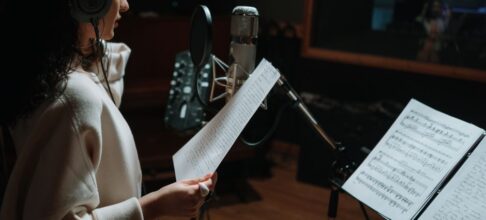
Nobody in the international dubbing circles seems to mention the strange tension that sits at the core of contemporary Chinese Voice Over—an industry that, despite outward similarity to its Western peers, operates on rules few outsiders truly grasp. You hear a game trailer, an animated short, or even a training module: it sounds like voice over. But if you’ve spent time in production studios in Shenzhen or Shanghai, you notice something’s off—not worse, not better—just unmistakably different.
A Flat Line That Isn’t Flat
Around , when Netflix was ramping up localizations for Asian markets, there was a rumor floating among localization project managers: “Chinese VO always sounds a little too neutral.” An exaggeration perhaps, but not without basis. In practice, working with teams like Iyuno-SDI Media (who opened their Beijing facility in late ), directors describe coaching actors toward an almost invisible delivery—neither fully theatrical nor utterly flat. It’s been called “broadcast tone” (播音腔) and is shaped by decades of state media and radio norms.
But this isn’t just about style—it’s about intent. For educational apps made by companies like ByteDance’s Dali EDU arm, producers often request a "polite detachment" in narration; emotion should be present but never dominate. Contrast this with Polish game localization studios such as Roboto Global, where actors are encouraged to dial emotional stakes high for even minor roles.
When AI Doesn’t Quite Get It
In , several major e-learning platforms in China began experimenting with AI voice tools from iFLYTEK and Baidu. Initial results were technically impressive—the Mandarin pronunciation clean and correct—but clients rejected more than half of first-round samples due to what they described as "过于书面化" (overly literary). What they really meant: the AI voices sounded like newsreaders from CCTV-1 circa rather than contemporary influencers or drama narrators. The gap between technical fluency and cultural resonance remains stubbornly wide.
A Workflow You Won’t See Elsewhere
Here’s a real story from a media agency serving both US and APAC markets: for a mobile app promo video intended for both California and Guangzhou launches in early , two separate scripts were written—not only translated but restructured entirely. While the English version featured punchy hooks and spontaneous ad-libs (recorded at Voices.com’s LA studio), the Chinese track recorded at a small house studio outside Hangzhou required pre-approved phrasing down to every comma. Studio engineers spent nearly as long on script vetting as on actual recording—a pattern echoed across dozens of campaigns I’ve tracked since .
Actors Know Their Boundaries—and So Do Producers
Shanghai-based audio director Chen Wei put it bluntly last year during a panel at BIRTV: “We still get asked for ‘radio style’ even when we’re voicing video games.” This isn’t nostalgia; it reflects regulatory caution after several high-profile controversies around "excessive dramatization" in web audio dramas circa . Since then, many mid-sized Chinese studios—think Dreamaker or BigBear Sound—have implemented secondary review stages focused solely on "tone compliance." This step simply doesn’t exist in most European workflows I’ve observed.
Regional Color Versus National Standard
It would be easy to assume all Chinese voice work is standardized Mandarin (Putonghua), but listen closely to successful children’s content from Tencent Video Kids or iQIYI Junior since —you’ll hear subtle accents sneaking through: hints of Sichuanese warmth here, traces of Cantonese rhythm there. While mainland TV dramas stick close to official diction guidelines (for fear of regulator pushback), animation dubs are quietly testing boundaries by mixing regional color into characters’ speech patterns—a development rare even three years ago.
The Understated Power of Silence…
One thing nobody outside China seems to mention: how much silence matters. In many American or French productions I’ve sat in on (say, Paris-based G4F Localization working on JRPGs), directors fill every moment with expression or incidental sound. By contrast, Chinese post-production teams often extend micro-pauses between lines—a nod to traditional stage pacing—which subtly shifts narrative rhythm and audience perception.
Why It Matters Now More Than Ever
With global streaming giants like Disney+ and Amazon Prime pushing hard into East Asia post- pandemic recovery (subscriber growth upwards of % YoY reported by Media Partners Asia), demand for localized content is exploding. But foreign brands routinely underestimate these idiosyncrasies—in workflow structure as much as vocal style.
Case In Point: An Australian Experiment Gone Slightly Awry
Consider an Australian edtech firm attempting their own Mandarin e-course launch last summer—they used an American freelance voice talent via Upwork who’d lived six months in Beijing during college. Script was checked by Google Translate plus one local intern; result? A perfectly intelligible but culturally tone-deaf narration that failed pilot testing with students in Chengdu schools (“It sounds like she’s reading an airport announcement,” one teacher remarked). The company ended up contracting Shanghai-based The One Studio for a full re-record—the difference wasn’t just language accuracy but pacing and intent calibration learned over hundreds of hours producing native content.
So why aren’t more people talking about this?
Because surface-level translation hides deep-rooted differences that resist easy automation—or quick fixes by foreign production houses chasing market share fast.