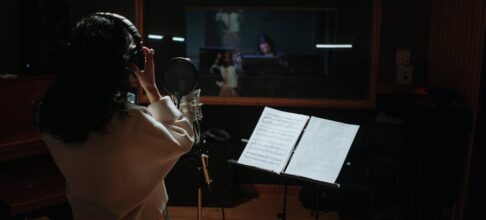
Few outside Scandinavia realize how fiercely local the Danish voice over industry remains—despite streaming giants, AI tools, and globalized workflows. It’s a world where legacy recording booths in Frederiksberg still dominate, yet international studios from Berlin or London keep knocking on the door. There’s tension here. On one side, decades-old family-run agencies with distinctive Rolodexes of talent; on the other, new players driven by remote work and synthetic voices.
The Hidden Architecture of Danish Dubbing
In 2019, when Netflix doubled its Nordic production slate, most observers expected a rush toward centralized European localization hubs. Yet for their flagship series like "The Rain," the streamer insisted on working directly with Copenhagen-based Adaptor Sound & Vision—a studio known for old-school casting sessions and coffee breaks that last longer than a typical LA budget meeting. The reason? Authenticity. As Adaptor’s project manager Lene Madsen noted in an interview that year: “You can’t fake a Jutland accent in Berlin.”
This quest for authenticity means voice over is still deeply tied to geography—even if the workflow isn’t. Typically, a global platform will send locked picture and translated scripts to Denmark; casting takes place locally (often sourcing from theatre actors moonlighting as VO talent), with direction handled in-studio or remotely via Source-Connect. Even in 2023, about 80% of Danish language dubs for top-tier streaming content were produced within Greater Copenhagen studios. The rest fell to smaller outfits in Aarhus or Helsingør.
AI Voices: Not Quite Ready for Prime Time?
Synthetic voice technology has certainly made its mark—especially since the mid-2020s saw rapid advances from platforms like Respeecher and ElevenLabs. But actual deployment remains limited for entertainment projects requiring nuance or regional dialects. In real-world campaigns observed by Danish ad agency Mensch (which handles localized radio spots for IKEA), AI voices are mostly used as placeholders or for quick drafts during client approvals—not final broadcast.
A telling example: In late 2022, a pan-Nordic e-learning provider ran simultaneous test pilots using both human and AI-generated narration across its training modules. Feedback revealed significant drop-offs in engagement metrics (roughly 20% less completion) when learners listened to even high-quality synthetic Danish audio versus recordings by experienced talents such as Anne Hjort or Thomas Eje.
Gaming: The Wild West of Local Talent Pools
If film and TV remain traditionalist strongholds, Denmark’s gaming sector is something else entirely—a mix of scrappy indie teams and big-league localization vendors operating at breakneck speed. Consider IO Interactive (the Copenhagen powerhouse behind "Hitman"). Their localization workflow involves scripting English master files before adapting them for eight-plus markets—including full-cast Danish performances.
In practical terms? This often means booking freelance actors on short notice through agencies like Speak Productions or even social media shout-outs (“We need someone who sounds like an evil magician… tomorrow!”). Turnaround times are brutal—sometimes less than 48 hours per batch—and it’s not uncommon to patch lines via home studios using Rode NT1 mics and Dropbox file shares. One producer told me bluntly: “There’s no time for perfectionism here—you get what you get.”
Commercials & Microbudgets: Different Rules Apply
While big-budget productions lean on established studios, small business advertising is all about flexibility—and price sensitivity reigns supreme. A bakery chain in Odense might tap a solo operator using Audacity from her living room; meanwhile, national brands typically route everything through agencies like Voicearchive (founded Aarhus, late ‘90s) who coordinate dozens of voices across Europe every week.
Interestingly, budgets have remained surprisingly flat since 2017 despite increased demand—most 30-second regional radio ads fetch between €250–400 total including studio time and post-processing (excluding usage fees). The real change? More jobs routed through online marketplaces such as Voquent or Bodalgo—platforms that connect clients directly with freelance artists around Scandinavia.
Children’s Content: The Battle Over Tone
If there’s one battlefield more contentious than streaming dramas or commercials, it’s children’s programming. Since DR (Danish Broadcasting Corporation) began strict compliance checks on translated dialogue back in the early 2000s—after several infamous mistranslations caused uproar among parents—the bar has been set unusually high for authenticity and delivery style.
A typical session at Audio Resort (a leading children’s dubbing facility north of central Copenhagen) will see linguists hovering beside directors to flag any tone-deaf phrases or cultural slip-ups immediately—a process rarely found outside Denmark or Sweden. As one director joked during a recent tour I attended: “Here, we debate whether ‘yikes’ should be ‘øv’ or ‘ad!’ before lunch.”
International Campaign Pitfalls: When Danes Cringe at Literalism
Global brands sometimes learn the hard way that direct translation doesn’t fly with Danes—witness McDonald’s infamous “I’m lovin’ it” rollout circa 2004 rendered as “Jeg elsker det,” which landed awkwardly thanks to its formality (Danish audiences prefer understatement). Localization companies like Translated.net now routinely run focus groups before launching major campaigns; nearly half their Nordic projects include at least two rounds of script revision just to avoid these cultural traps.
From Drama School Stages to Recording Booths
Unlike countries where voice acting is seen as a sideline gig for screen actors between jobs, Denmark has cultivated a professional VO community rooted in its drama school tradition—the Statens Teaterskole alumni network being particularly influential since the late ‘90s boom years when cable TV surged nationwide viewership by more than 30%.
One sees this play out each spring when new graduates descend upon open casting calls hosted by major studios—a ritual both nerve-wracking and essential given how much work flows from word-of-mouth reputations rather than flashy online profiles.
Workflow Realities: The Unseen Grit
In practice, most Danish voice over work adheres to tight turnarounds dictated by broadcasters’ schedules—not artistic whimsy. Scripts arrive translated but rarely polished; directors often rewrite lines mid-session based on talent feedback (“That line reads Swedish!” is heard weekly). For game projects shipping internationally from Denmark—as with Sybo Games’ "Subway Surfers" updates—the process can involve three languages recorded per day across split shifts spanning morning into late evening so deadlines aren’t missed across global time zones.
Adoption Patterns: Remote Is Here… Kinda
The pandemic era turbocharged remote recording adoption throughout Europe—but Denmark lagged slightly behind Germany or Poland due largely to data privacy concerns around cloud storage of sensitive scripts (especially unreleased film/TV content). By early 2024 though, roughly 60% of non-broadcast VO gigs were recorded outside traditional booths according to figures shared informally by agents at Vibe Voices collective in Aarhus.
Yet legacy studios remain busy—with many reporting near-full capacity bookings each quarter since restrictions lifted mid-2022—a sign that personal relationships and trust still drive much of the business here despite tech advances making location almost irrelevant elsewhere.
New Frontiers: Podcasts & Beyond
Podcasting exploded in Denmark after Spotify acquired local darling Podimo in late 2019—and ever since then there’s been growing crossover between podcast hosts and commercial voice over gigs. Agencies now routinely pitch podcast stars as narrators for branded content campaigns targeting Gen Z listeners—betting that familiar voices build instant trust even outside their usual genres.
Industry insiders estimate podcast-related VO work grew approximately 40% year-on-year between 2021–23 alone—a rare bright spot amid otherwise flat revenue streams elsewhere in creative industries battered by inflationary pressures post-pandemic.