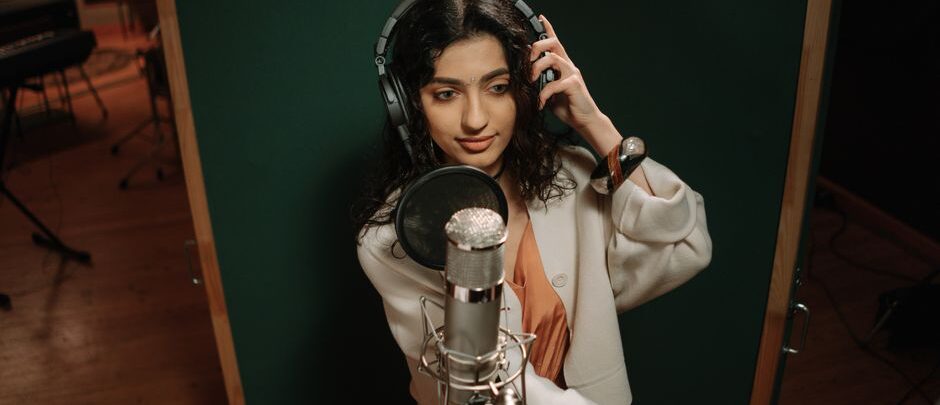
Nobody in a Mumbai dubbing studio wants to admit it, but the last five years have forced everyone’s hands. The old comfort of a voice actor behind a Neumann microphone, bringing gravitas to lines for a TV soap or a dubbed Hollywood blockbuster, just doesn’t cover the spectrum anymore. Hindi voice over has become an arena of contradictions — where Netflix originals clash with legacy production houses and synthetic voices learn from seasoned Maharashtrian artists.
Back in 2017, only about 10% of international streaming content on Indian OTT platforms was available in Hindi audio tracks. Today that figure is close to 50% on major platforms like Prime Video India and Disney+ Hotstar. But the story isn’t one of simple growth; it’s about how workflows, talent pipelines, and even the meaning of "voice" are changing under pressure from both global giants and nimble startups.
When Mumbai Meets Mountain View: Real Cases From the Studio Floor
Take Sound & Vision India — long considered one of Mumbai’s most reliable localization studios. In early 2022, their team handled the Hindi adaptation of Netflix’s “All Quiet on the Western Front.” The brief? Faster turnaround (under six weeks), naturalistic performances (no melodrama), and consistency across dialects (neutral North Indian accent). They employed an AI-assisted script preparation tool called Voxtab to pre-process dialogues, saving roughly two working days per episode compared to manual transcriptions three years prior. Still, every line was ultimately delivered by human actors — some veterans who started in All India Radio back in the '90s.
Contrast this with what’s happening in smaller cities like Indore or Jaipur. Here, outfits such as Dubbing Brothers India are experimenting with AI-generated guide tracks before final casting — using software like Respeecher to generate temp lines for client approvals. Sometimes clients decide these synthetic guides sound “good enough” for web ads or e-learning modules where budgets are tight and speed trumps subtlety.
From Bollywood Bombast to Understated Streaming Voices
There is a particular flavor to older Hindi voice overs: theatrical flourishes designed for cinemascope epics and Sunday morning cartoons. This style reigned supreme through the 2000s when Zee TV dominated satellite entertainment.
But since around 2019, directors at foreign-owned studios—think SDI Media or Iyuno-SDI Group—have demanded subtler performances for streaming hits like "The Witcher" or "Stranger Things." Producers now instruct actors not to overplay emotion; authenticity scores higher than drama when dubbing Nordic thrillers or American sitcoms into Hindi.
The effect is jarring if you’re used to Shah Rukh Khan-style intensity. Some actors complain privately that it feels unnatural—"too flat," as one put it during a session at Andheri’s Silly Point Studios in late 2023—but younger talent sees this as an opportunity to break into long-form work previously gatekept by film industry insiders.
The Numbers Nobody Brags About (But Everyone Watches)
In practice, Hindi voice over is growing at an estimated clip of around 18–20% annually according to data shared by members of AVA India (Association of Voice Artists) at their February 2024 conference in New Delhi. But here’s what rarely gets mentioned: nearly half this new demand comes not from polished Netflix dramas but from YouTube channels churning out educational explainers, app tutorials, and regional game walkthroughs.
One digital agency based in Bengaluru recently shared that more than 60% of its budgeted projects involving Hindi voice work were destined for social media vertical video—often under 90 seconds each—rather than traditional broadcast TV or cinema distribution.
The Workflow Shift: Human-AI Hybrid Is Now Standard (Like It Or Not)
In everyday production cycles observed at Prime Focus Technologies’ Mumbai office:
- Rough cuts go through Google Cloud Speech-to-Text API for first-pass transcription,
- Copywriters edit timing in Aegisub,
- Temp tracks generated using Play.ht assist non-Hindi-speaking project managers during reviews,
- Final recordings feature unionized artists (at least for any client spending above INR 1 lakh per episode).
It’s rarely pure AI or pure human anymore—the cost savings come from hybridizing everything except top-billed content like Marvel movies or flagship series launches.
And contrary to fears voiced at industry panels since mid-2021 (“Will AI take all our jobs?”), most large contracts still require human voices up front—even if they’re later replaced by cheaper synthetic reads for secondary releases or corporate training portals targeting Tier-II towns.
A Case Study From Europe: Berlin's Cross-Language Experiments With Hindi Dubbing
Europe isn’t immune either. At SDI Berlin—a hub that used to focus mainly on German/French/Spanish dubs—the past year has seen several pan-European VOD clients request pilot episodes dubbed directly into Hindi alongside European languages. Why? Because viewership analytics showed unexpected spikes among South Asian diaspora users on platforms like Joyn.de and RTL+. Their April-June workflow included shipping sample scripts via AWS Translate before involving local freelance Hindi writers in Warsaw for cultural adaptation—a patchwork process that didn’t exist five years ago but now accounts for about 8% of their total output.
This cross-border approach sometimes creates tension between source material fidelity and cultural context; jokes land differently across continents. Yet it also opens doors: Polish-based freelancers familiar with South Asian pop culture suddenly find themselves busy with German-origin shows heading straight into Hindi markets via streaming deals negotiated out of London offices.
Regionalism Is Back—And It's Personal Now
Perhaps ironically, as automation creeps forward and big-budget productions chase pan-Indian neutrality, there’s renewed hunger among advertisers and indie filmmakers for region-specific flavors within Hindi audio tracks. One campaign run by Ogilvy Gurgaon last autumn involved recording urban Delhi slang versions side-by-side with softer Lucknow-inflected reads—then A/B testing both across target demographics via Instagram reels ads. Results? Engagement rates were up nearly 30% when localisms matched audience location data provided by Facebook Insights.
This micro-targeting trend means experienced VO directors must double as linguistic chameleons—or else hand off secondary reads entirely to young creators recording from home setups outside NCR/Mumbai circles. The democratization is real; so is quality control anxiety among old-school studio heads who fear standards will slip as barriers lower across devices and geographies.
Looking Back To See Forward: Lessons From Satellite Era To Streaming Age
If you ask veterans who got their start voicing promos for Doordarshan in the late ‘80s (“Every Sunday night!”), they’ll tell you how everything changed after private satellite channels flooded screens post-1992—with Star Plus leading a shift towards bigger budgets but higher volume demands. That era saw hundreds flocking into studio corridors near Lokhandwala Complex every morning seeking walk-in auditions—a chaos tamed only partially by Excel sheets kept on battered PCs in director booths.
Today’s chaos is digital—and decentralized—but just as relentless; WhatsApp groups ping with remote gig offers while cloud-based DAWs like Audacity Online let anyone punch-in retakes without stepping foot inside Yash Raj Studios’ iconic recording halls.
So Where Are We Headed?
No single trend defines this moment because no single workflow survives contact with economic reality—or evolving taste buds shaped equally by TikTok memes and BAFTA-winning miniseries dubbed overnight into colloquial Hindi accents calculated down to district-level granularity.
What does seem clear:
o High-end dramas stick stubbornly to veteran actors—even as temp tracks go synthetic
o Low-budget digital content increasingly tolerates robotic reads (sometimes indistinguishable outside Mumbai circles)
o International demand drives innovation—from Warsaw freelancers adapting Berlin scripts all the way back to Mumbai engineers tweaking alignment tools
o Brands rediscover local color—even if it means twelve takes per joke just so “Bhaiyya” lands right versus “Dost”
o Workflows fragment further—not consolidate—as each new platform brings its own rules about pace vs price vs polish In short: If you step inside any working studio—from Indore startup cubicles using browser-based TTS engines, all the way up to Bollywood A-lister booths—you’ll sense both threat and possibility humming beneath every syllable spoken aloud.