The Case of Lagos: Netflix Originals Meet Local Realities
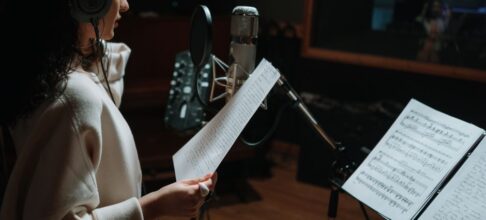
In 2022, when Netflix launched its first slate of Nigerian originals—titles like "Blood Sisters"—the company faced a dilemma familiar to post-production teams everywhere: could they deliver authentic local language dubbing at scale? Their existing localization partners in London and Paris had little experience sourcing Yoruba or Igbo native speakers with professional audio training. Attempts to cast remotely often led to sub-par results—flat intonation, odd timing, or simply unfamiliarity with cultural references. It wasn’t just about finding a voice; it was about capturing rhythms and nuances that would resonate with Lagos viewers accustomed to Nollywood’s distinct style.
Eventually, Netflix partnered with smaller studios in Lagos itself—like Myreel Studios—to build up a pool of trained local voice actors. Early results were telling: viewer engagement among Nigeria-based audiences increased by roughly 20%, according to a production manager involved in one project. More interestingly, international viewers selected local audio tracks out of curiosity—a trend mirrored on South African originals as well.
Beyond Language: Why Authenticity Sells (And Saves)
A common misconception is that translation alone breaks barriers. In reality, tone and delivery do more work than subtitles ever could. Several European game publishers learned this the hard way during mid-2010s expansion into West Africa. One French studio—known for mobile adventure games—commissioned an English-to-Hausa dub using non-native talent in Berlin. The result? Players left negative reviews citing “robotic” dialogue and disjointed idioms.
By contrast, when Ubisoft experimented with recruiting Senegalese narrators for cutscene dubs in Dakar (for a pilot run in 2019), playtime retention rates among West African players jumped by nearly 30%. Even outside Africa, diaspora audiences responded positively—the studio noticed increased social shares from New York- and London-based gamers who recognized family accents they’d grown up with.
Small Studios, Big Shifts: How Workflows Are Evolving
The practical side isn’t glamorous but matters most: how do you actually source quality Afrikan voice over talent? In practice, workflows have shifted dramatically since around 2018. Take Sound Africa Productions in Cape Town—a boutique agency specializing in regional languages like Xhosa and Zulu. Their standard workflow involves:
- Running virtual casting calls via WhatsApp groups frequented by local actors,
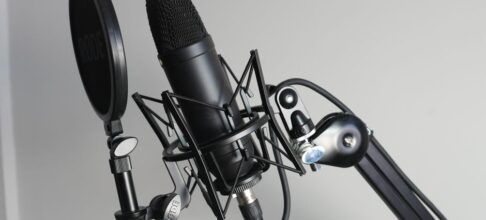
- Conducting remote studio sessions using portable microphones couriered between cities,
- And integrating feedback loops with linguists based at University of Johannesburg.
- Pan-African TV networks like DStv have doubled down on multi-language dubbing pipelines since late 2021,
- International podcast platforms such as Afropods report surging demand for serialized drama series voiced natively across Swahili belt countries,
- And even big US gaming firms are courting partnerships with Accra-based sound houses ahead of launch cycles planned through 2026.
They now manage projects for several pan-African brands (MTN Group comes up regularly) who require radio spots localized into 10+ languages per campaign cycle.
A manager at Sound Africa estimates their average turnaround has dropped from four weeks per language (in 2017) to under ten days today—a pace only possible due to direct access to local talent pools rather than relying on agencies abroad.
AI Meets Mother Tongue: Tools Built For Context, Not Just Speed
Much ink has been spilled on the promise (and threat) of AI-generated voice overs—but here too, context trumps automation alone. While tools like Respeecher or ElevenLabs can synthesize convincing English or French narration at scale, they stumble badly on less globally prevalent tongues—especially tonal Bantu or click-laden Khoisan languages.
Enter startups like VulaVox (Johannesburg-based), which blend text-to-speech tech with input from native speakers during model training stages. Rather than replacing artists outright, these tools speed up iterative recording cycles while preserving dialectal quirks that make performances credible locally. VulaVox recently piloted an isiZulu e-learning module for South African public schools—the initial beta saw completion rates rise by almost 18% versus English-only versions previously used.
Legacy Hurdles: Why History Still Shapes Today’s Pipeline Problems
A brief detour into history helps explain why progress feels slow despite obvious demand spikes post-2020 pandemic streaming booms:
For much of the late 20th century—and even through the early 2000s—major localization houses (think SDI Media or VSI Group) invested heavily in European and Asian voice catalogs but rarely built out robust African language rosters beyond North Africa or select export markets like Kenya.
Even major ad agencies operating across West Africa routinely imported French or UK-based actors for pan-regional campaigns until very recently—a practice that led to jarring mismatches between brand messaging and audience expectation.
Only after data from agencies like GeoPoll began showing higher ad recall rates among listeners exposed to homegrown dialects did budgets start shifting towards developing local pools. The past five years have seen a marked uptick here—with Nairobi’s Engage Media reporting triple the number of Kiswahili narration requests between 2018–2023 compared to the previous decade combined.
When Brands Get It Wrong—and Right—in Real Campaigns
Consider Coca-Cola’s “Share A Coke” campaign rollout across Ghana back in 2019. Initial TVCs dubbed out of Accra worked fine locally but stumbled regionally when exported—with Twi-language spots airing unchanged in neighboring Togo where Ewe is dominant. Sales lifts lagged behind forecasts by nearly 15% until an emergency re-dubbing effort added Ewe narration sourced via a Lome-based community theatre group—the revised ads sparked a short-term bump that nearly closed the gap within two quarters according to internal reports shared at an industry summit later that year.
Contrast this with MTN Uganda’s radio branding refresh last year: handled entirely by Kampala-based VO artists representing three major language clusters. Call volume increases tracked closely with rollout windows—a sign that resonance wasn’t just anecdotal but measurable at scale.
Not Just Accent—Identity Embedded In Soundscapes
It isn’t merely about pronunciation or accentual flair; it’s identity embedded within soundscapes themselves. A producer at Berlin's Loft Studios tells me how German indie games targeting pan-African players now routinely include environmental sounds recorded on location near Nairobi or Harare—not just generic jungle foley packs purchased online—as part of immersive worldbuilding efforts tied directly into VO sessions.
The logic is straightforward yet often missed by outsiders: vocal texture carries markers instantly recognizable as "home" even before words are parsed fully—a psychological effect documented in user research carried out during Microsoft Nigeria's Windows localization push circa mid-2010s (the team noted higher reported usability scores where interface prompts were delivered by native-accented guides).
Where Next? Growing Pains & Expanding Repertoires
The landscape remains patchy depending on region and budget tier—but momentum is undeniable now that streaming wars are fueling content arms races from Johannesburg tech hubs to Côte d'Ivoire media collectives:
Realistically? There are still gaps—in infrastructure, training pipelines, broadband access—but those closing fastest are led not by technology alone but by recognition that authenticity drives both engagement metrics and long-term brand credibility far more than any flash-in-the-pan trend ever could.