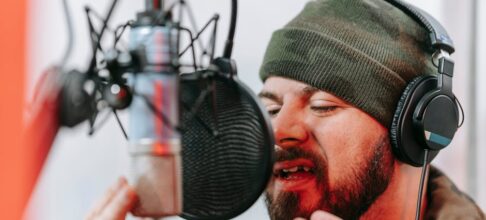
When “Standard” Isn’t Standard Anymore
Here’s the contradiction at the core: for decades, global media players like Netflix or Ubisoft assumed German audiences would accept standardized dubbing conventions—the same handful of voices for blockbuster releases and game launches. Yet since about 2018, audience feedback in Germany has gotten louder (sometimes literally): requests for regionally authentic dialects and less uniformity began trending on social forums and even in ratings data collected by Munich-based localization provider VSI.
And so companies found themselves caught between efficiency and authenticity. In typical workflows at agencies like Loft Studios in Berlin—previously focused on clean Hochdeutsch (standardized German)—there's now a real scramble for niche accents: Bavarian for rural dramas; Berliner Schnauze for urban comedies; even Turkish-German code-switching for youth content aimed at Kreuzberg teens.
How Brands Turn Friction Into Innovation
This friction isn’t just operational—it’s disruptive opportunity. The aforementioned Norwegian startup—let’s call them LingoJump—initially viewed the higher rates of native-sounding German narration as an obstacle. But when they tried out regional voice variants in A/B tests across southern Germany versus North Rhine-Westphalia, user engagement soared by nearly 25%. They pivoted: instead of one-size-fits-all audio tracks, they built out paid regional content packs tailored to local schools.
German voice over suddenly shifted from being a cost center to a premium upsell feature. And not just for apps: Hamburg-based podcast studio Pool Artists recently reported a spike in demand from both advertisers and streaming platforms for hosts who can switch between dialects live—injecting energy and relatability into branded series targeting Gen Z listeners from Saxony to Stuttgart.
AI Dubbing Didn’t Flatten the Market—It Multiplied It
AI-powered localization has been pitched as a great leveler; one-click translation, instant synthetic voices. But what actually happened post-2020 is that tools like Veritone Voice or Respeecher made it easier—not just cheaper—to experiment with more granular voice casting at scale.
Take the case of Daedalic Entertainment (the Hamburg video game studio). In their mid-2021 title “Shadow Tactics,” they used synthetic voices as placeholders during development—but when testers praised the diversity of accent samples generated by AI (including Swiss-German and Austrian inflections), Daedalic greenlit recording sessions with actual actors matching those profiles before launch. They didn’t reduce their spend on human talent—instead, they doubled down on specificity because early player response proved that variety sold better than neutrality.
The Numbers Tell Their Own Story (Sort Of)
While precise figures are hard to pin down due to non-disclosure agreements between major platforms and vendors, several European studios reported tangible shifts:
- VSI Germany noted that requests for non-standard German dubbing grew from roughly 10% of projects pre-2018 to nearly 35% by late 2023.
- Podcast production agency Auf die Ohren estimates that campaigns using regionalized hosts command up to 30% higher ad rates than "generic" versions—a pattern echoed by Spotify Germany’s internal analytics shared at a Berlin industry meetup last autumn.
- Even legacy TV networks such as ARD have piloted dual-audio releases (e.g., standard vs. Bavarian) following surprising digital viewership spikes on their Mediathek platform after test runs in 2021–22.
Workflow Upheaval Inside Real Studios: The Frankfurt Case Study
If you step inside VRTONUNG GmbH—a mid-sized audio post house in Frankfurt—the disruption is palpable not only in project briefs but on actual mixing boards. Their sound engineers used to block-record two weeks of dialogue per Netflix series season using four primary voices; now schedules are riddled with single-day bookings for fifteen or more micro-casting sessions per show segment. Dialogue editors juggle dropbox folders labeled “Saarland,” “Swabian,” “Urban Youth,” each demanding nuanced direction—and client calls often revolve around balancing cost-per-minute against perceived authenticity in target regions.
One workflow lead described how casting directors increasingly mine TikTok or YouTube creators with distinct accents rather than traditional acting agencies—a marked shift since pre-pandemic years when resumes mattered most. This isn’t just artistic fussiness; focus group reactions routinely drive retakes if vocal tone feels "off" within local contexts.
Streaming Giants Stumble—and Recover Fast
Even Amazon Prime Video got caught short-handed during its Q4 2022 push for original German-language content. Faced with negative feedback about bland dubbing on youth-oriented sci-fi shows set in Cologne but voiced without Rhineland flavor, Amazon’s localization head reportedly convened emergency sessions with multiple Berlin and Düsseldorf studios to re-record key episodes within weeks—something almost unthinkable under traditional quarterly rollout cycles only five years ago.
Ironically this scramble led Amazon to start piloting hybrid approaches: combining high-quality synthetic base tracks with rapid-fire regional pickups recorded via remote talent dial-ins—a workflow first tested successfully by Australia’s SBS network during its multilingual drama launches back in early 2020s Sydney lockdowns.
Talent Supply Chain Gets Weirdly Democratic… Or More Fragmented?
For every established actor getting squeezed out by fresh TikTokers—with no formal training but massive online followings—there’s also renewed attention on overlooked corners of the market. Smaller cities like Leipzig or Graz are seeing homegrown recording booths spring up as former radio hosts pivot into freelance voice gigs targeting hyperlocal projects—or indie games looking for that extra spark of "realness." Some agencies report that up to half their booking requests now include explicit demands for non-traditional profiles or bilingual speakers able to fluidly switch registers within scenes—a dynamic virtually unheard of before mid-2010s media fragmentation took hold across Europe.
How Risky Is Too Risky? A Danish Agency Walks Back Experimentation… For Now
Not every experiment sticks. Copenhagen-based SoundTribe attempted an all-out dialectal adaptation for a pan-European ad campaign running through Austria and Switzerland—but pulled back after pilot results showed sharp drops in comprehension among older viewers unfamiliar with certain Swiss-German quirks embedded by young influencers cast remotely from Zurich co-working spaces.
Still: SoundTribe reports ongoing experiments blending classic narrative delivery (for clarity) with subtle code-switches designed purely for social media cutdowns—a sign that disruption doesn’t always mean chaos; sometimes it means smaller cycles of controlled risk-taking inside mature workflows.
Looking Backward To Leap Forward: The Early Days Of Localization Hype
A historical footnote worth recalling: much of today’s creative disruption echoes similar debates from the early 2000s DVD boom era when anime distributors argued endlessly over whether American dubs should use "neutral" English or risk region-specific slang imports (“wicked” Bostonian heroes vs California surfer-speak). Substitute Berliners talking street-style Deutsch into prestige Netflix shows today—and you’re seeing history repeat itself, only faster thanks to modern distribution tech and real-time audience analytics plugging straight into commissioning pipelines.
Final Word From The Booth (Literally)
What remains clear after shadowing teams inside both old-school studios and scrappy remote setups is this: far from flattening cultural difference, recent waves of innovation—both technological (AI tools) and demographic (influx of digital-native talent)—are fracturing what was once considered "standard" practice into ever-sharper niches. But those very cracks are where new value emerges—for brands agile enough to listen closely not just to what audiences say…but how they want things said.