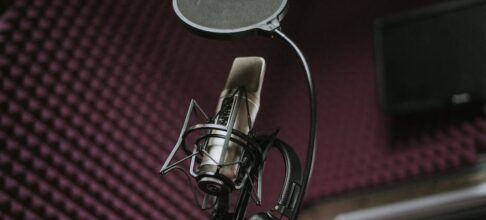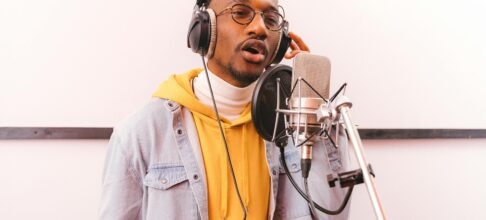
Standing in a carpeted booth somewhere off Wilshire Boulevard, I once watched a veteran voice actor—decades in the business, his name instantly recognizable among casting directors but unknown to the public—fumble a single line for the fourth time. The director, headphones askew and clutching an iPad full of last-minute script changes, didn’t flinch. This was Tuesday at Audionation Studios in Los Angeles, where even seasoned pros sweat over what seems simple: sounding “authentically American” on command.
The Paradox of the ‘Neutral’ Voice
It’s an open secret in localization circles: clients rarely want a truly neutral accent. Netflix, for example, specifies “General American” for most US-targeted dubs—a standard that is oddly specific and yet maddeningly vague. At Berlin-based Studio Mitte, their campaign for a streaming platform required three rounds of recasting after test audiences flagged slight East Coast intonations as “off.”
So when people imagine American Voice Over work as just speaking clearly into a microphone, they’re missing the daily grind. Getting cast is as much about not sounding like you’re from anywhere specific as it is about being relatable everywhere. In European game studios—CD Projekt Red’s localization pipeline springs to mind—it’s common for Polish directors to reference old NBC sitcoms or Super Bowl ads as benchmarks for their American English standards.
A Workflow That’s More Than Just Scripts and Mics
Let me sketch out a typical workflow at Voices.com, one of the largest global marketplaces for voice talent. A new e-learning course drops from a Texas-based edtech client: scripts uploaded by 8 AM Central Time; AI pronunciation guide attached (often riddled with errors); preferred vocal references listed (“think Morgan Freeman meets Sarah Koenig”).
By noon, five shortlisted actors record auditions from home studios—in Atlanta, Chicago suburbs, and one in suburban Toronto using high-end Sennheisers. Their takes are uploaded to the platform’s dashboard where project managers dissect each syllable for regional markers or inconsistencies before sending curated picks back to the client.
There’s no room here for improvisation unless you already know exactly what flavor of “neutral” will land with Midwest HR managers versus Seattle tech teams.
Unscripted Realities: Pay Scales and Career Arcs
The truth? Most who try don’t stick around long enough to see recurring gigs. SAG-AFTRA union rates set minimums (think $–$ per session), but only about % of active freelance VO artists report consistent monthly bookings according to industry insiders at SoundLounge NYC. Many supplement with commercial radio spots or indie game narration—for which budgets sometimes barely cover studio rent.
Contrast this with Australia’s smaller but fiercely competitive market: Sydney-based Big Mouth Media regularly sources US-accented talent for international campaigns but often relies on expats or long-term residents who’ve mastered that subtle drawl-less delivery.
Historical Shifts—and Why Was Pivotal
The explosion of streaming platforms post- fundamentally changed demand patterns. Where once major brands relied on LA agency rosters or New York recording houses, now they pull samples from distributed digital pools across North America and beyond. Adobe Audition replaced reel-to-reel tape as home setups became de rigueur; by , more than % of all US advertising VO projects started out in spare bedrooms according to estimates from Creative Cow forums.
Mini Case Study: Gaming Localization Gets Personal
Take Blizzard Entertainment’s approach during Overwatch updates in : After feedback highlighted perceived cultural disconnects in certain hero voice lines localized for North America, their Irvine team worked directly with actors via live Zoom sessions—sometimes late at night across time zones—to fine-tune micro-inflections that play differently on West Coast vs East Coast ears.
This hands-on method replaced previous cycles involving generic audio notes and delayed email reviews. Turnaround shrank by nearly half—a pragmatic adjustment born out of necessity rather than theory.
AI Voices: Friend or Foe?
A silent tension has crept into production briefings since early : Will synthetic voices replace flesh-and-blood actors? Companies like ElevenLabs can clone an "American-sounding" persona within minutes; some indie podcast producers have shifted up to % of their narration workload this way since Q4 last year (numbers cited by two LA-based freelancers). Yet when it comes to national ad campaigns or AAA games, human nuance still wins—at least for now.
Small Studio Survival Strategies in Europe and Beyond
Smaller outfits aren’t standing still either. A boutique translation agency outside Warsaw recently rolled out a hybrid workflow blending local Polish narrators with remote American consultants via Source-Connect sessions—cutting review cycles down from days to hours while maintaining authentic linguistic cues prized by US educational publishers.
In German creative agencies such as Hamburg's Tonspur Studios, producers have begun matching young German-American dual citizens (who grew up streaming Nickelodeon) with brand projects targeting Gen Z consumers across both continents—a workaround that sidesteps costly cross-Atlantic travel while hitting just the right pitch-perfect blend of current slang and polished neutrality.
What No One Prepares You For...
Here’s something you won’t find in training guides or online masterclasses: Adaptability matters more than raw vocal chops. Producers expect quick pivots between styles—from chatty explainer video tone (“imagine you’re explaining TikTok trends at Thanksgiving”) to earnest medical disclaimers read under tight deadlines.
Yet despite technological leaps—the rise of DAWs like Pro Tools First or collaborative platforms like Bodalgo—the core challenge hasn’t changed since network radio days:
sounding believably ‘American’ wherever your booth happens to be located.