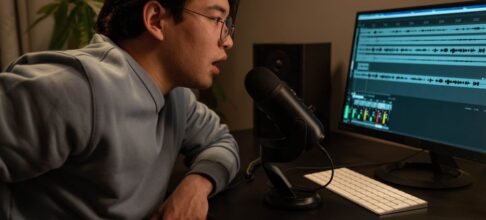
You’d think, after decades of subtitling and global content exchanges, that adding an English voice track would be old hat. Yet, in the last five years, something strange has started happening inside post-production suites from Los Angeles to Lisbon: producers are not just requesting English versions—they’re prioritizing full voice over instead of subtitles or even classic dubbing.
Cracking the Code in Warsaw: A Studio’s Pivot
Take the case of AudioCraft, a midsize localization studio operating out of Warsaw since the late 2000s. In , their bread-and-butter was Polish-to-English subtitling for European films making festival rounds. But by , nearly half their annual contracts demanded not just subtitles but high-quality English voice over—sometimes for international documentaries destined for Netflix UK, sometimes for ad campaigns targeting US audiences. Their project managers found that clients were reporting up to % more engagement on streaming platforms with well-produced English narration compared to subtitled-only releases.
The shift wasn’t only about accessibility. For many mid-budget Eastern European productions aiming at Western markets, voice over became the fastest bridge into new distribution deals. There’s no shortage of data here: according to rough estimates shared informally by three different Polish studios at the Berlinale market, around % of their “export-ready” projects now include an English audio track as standard deliverable—a figure closer to one in ten just six years earlier.
Beyond Dubbing: Why Voice Over Wins in Practice
The difference is subtle but crucial: unlike full dubbing (which can cost five times more and double turnaround time), English voice over layers a natural narrator or dialogue performer over the original language audio. This hybrid approach preserves character authenticity while making stories instantly accessible to non-native audiences. In real workflows observed at London-based production house Blackbird Media, directors often lean toward this approach when faced with tight deadlines or limited budgets for international release windows.
Anecdote from a Game Studio Down Under
One surprising frontier is interactive media. In early , Australian indie developer Blue Roo Games released "Desert Tracks," an atmospheric puzzle adventure originally voiced in Croatian. Instead of full-scale dubbing or wall-to-wall subs, they hired two native-English actors for selective voice over—guiding narration and key dialogue moments overlayed on top of authentic ambient tracks. The result? According to Steam analytics shared by their marketing manager, player retention among Anglophone gamers increased by roughly % compared to previous text-heavy releases.
Why Not Just Subtitles?
This isn’t simply about laziness or audience preference alone. Multiple small distributors in Germany report that certain genres—nature docs and reality formats especially—are seeing higher licensing fees when packaged with ready-made English narration tracks. As one Munich-based agent put it during MIPCOM : “For quick-buyers at digital platforms like Pluto TV or local FAST channels in Britain and Canada, an engaging English audio version cuts weeks off negotiations.”
It’s equally telling that AI tools are accelerating this evolution—not replacing human talent outright (at least not yet), but slashing the logistical pain points in getting scripts translated and casting suitable narrators remotely. Some Berlin agencies have adopted Respeecher’s AI toolkit not only for synthesizing celebrity voices but also as a bridge for temp tracks before final recording sessions with British or American VO artists.
Historical Snapshots: From Soviet Newsreels to Streaming Giants
The irony isn’t lost on industry veterans who remember how Soviet-era newsreels used monotone male overdubs as a matter of practicality (and censorship). Those dry narrations were anything but engaging—but fast-forward forty years and we see Netflix Originals like "Winter on Fire" (Ukraine) opting for emotive English VO overlays alongside subtitles to reach wider North American audiences without erasing cultural nuance.
Volume Matters—But So Does Speed
No wonder several Parisian post houses now offer “-hour turnarounds” specifically for English narration packages aimed at YouTube documentary producers with global ambitions. One workflow described by Lyon-based SoundBridge involves pre-selecting three vetted native speakers per genre; these talents record remotely via Source-Connect while editors mix tracks directly into master files overnight—allowing content creators from Seoul to São Paulo to hit publish within days rather than weeks.
What’s Next? A Quiet Arms Race Among Platforms
A less discussed but quietly competitive trend is how platforms themselves are starting to commission exclusive English voice overs before acquiring foreign-language titles—even if those shows already have high-quality subs available. During talks at Content London , buyers from UK broadcasters mentioned that audience testing consistently showed viewers under age “stay tuned longer” when given a choice between reading subs versus hearing natural-sounding narration.
There’s friction here too: purists push back against losing original performances; others argue it democratizes access and boosts discoverability across fragmented viewing habits globally. The tension isn’t likely to resolve soon—but one thing feels certain walking the corridors of any big localization expo today: what once felt niche now drives mainstream dealmaking decisions.