A couple of years ago, I sat in a compact Sydney post house and watched a veteran producer argue with her engineer over whether an AI-generated voice could "pass" as truly local. The client—a fast-moving fintech brand—wanted unmistakable credibility for their app launch across multiple states. The brief: authentic but universal; recognizable yet borderless. The engineer loaded up a demo from Respeecher, the producer rolled her eyes, and eventually they called in Jess, a Melbourne-based talent who'd worked on Qantas campaigns. "She’s got that realness," the producer said.
This scene still plays out, but lately there’s less eye-rolling at synthetic options—and more negotiation.
Australian Voice Over: Not Just Accent Anymore
It's too simple to say the market is just growing or changing. In , % of branded TVCs in Australia stuck with classic broadcast-trained voices—think smooth mid-range male or female with neutral city accents. Fast-forward to late and the statistics shift: agencies like Squeak E Clean Studios (with offices in Sydney and Melbourne) report that nearly one third of their commercial bookings now request either regional dialects or "conversational" reads bordering on podcast style.
Partly this is fallout from streaming platforms like Stan and global Netflix pushing for content that feels hyper-local. Dubbing for international series—like when Disney+ adapted "Bluey" for US/UK kids while keeping an Aussie lilt—has also fed demand for flexible performers who can modulate not just accent but attitude.
The Workflow Disruption Nobody Predicted
For decades, an agency might book one session per script: send copy to talent, record with a director present, engineer polishes files—all done before lunch if you’re lucky. Today, even smaller production houses in Perth or Brisbane assemble patchwork workflows:
A real example? At Soundfirm's Melbourne branch last December, producers working on an indie game trailer ran through three iterations of AI-generated narration before green-lighting two actors from Voices.com for final pickup lines—one was needed for only seconds of dialogue that felt too nuanced for current tech.
Case Study: The Political Ad Gamble
Around Australia's federal election cycle, political media buyers faced new compliance rules around disclosure and authenticity in digital ads. At least two major Canberra-based campaign firms quietly tested voicing scripts entirely with AI tools hoping to churn out hundreds of variations per day localized by postcode (hello, Bathurst versus Ballarat).
According to a manager at Massive Media Group (who requested anonymity), almost half those spots were abandoned after test audiences flagged them as “weirdly robotic” or “not quite right.” By May , even the most automation-hungry strategists reverted back to using seasoned talents registered through agencies like RMK Voices—but now often pairing them alongside faster AI drafts so clients could preview dozens of options overnight before committing budget.
From Studio Booths to Bedroom Setups—and Back Again?
There was a surge during COVID lockdowns where every second working actor set up home recording rigs across cities like Hobart and Newcastle—a pattern mirrored globally but especially pronounced in Australia due to strict movement limits through much of -.
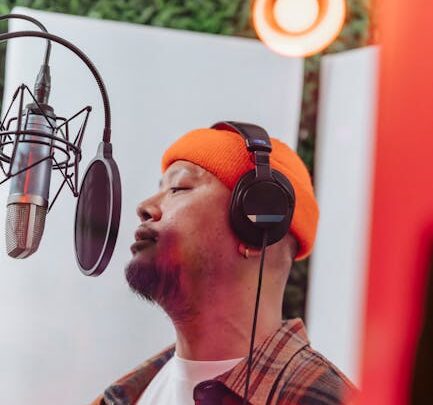
Now? Boutique studios such as Smith & Western (Melbourne) report about half their VO bookings are hybrid sessions: initial reads recorded by talent at home on Rode NT1 mics shipped directly into Pro Tools cloud sessions; directors dial-in via Zoom; final polish happens back inside acoustically treated booths downtown once everyone’s satisfied with tone and timing.
Contradiction at Scale: Volume vs Authenticity
The tension remains between brands desperate for scale (imagine producing unique versions for every postcode) versus those demanding true emotional resonance—the kind that only comes when someone nails the intent behind “mate” or “no worries.”
If you ask casting coordinators at agencies like Scout Management in Sydney why some projects swing back toward live direction rather than self-recorded auditions or automated voices, they’ll tell you it’s about micro-expressions—the split-second intonation changes that make dialogue land naturally among Australians used to decoding subtle social signals.
Global Tech Meets Local Color: A Balancing Act
One thing that's become clear since is this: global platforms may drive demand (see Amazon's Alexa integration push across regional markets), but local flavor wins loyalty. When Ubisoft tapped Australian voices for character dubs in its ANZ-targeted Rainbow Six Siege expansion pack last year, fans noticed—and sales nudged up noticeably along east coast metro areas according to retailer reports shared at PAX Australia .
Step-by-Step Isn’t So Simple Anymore
The myth? That there's now one clear workflow to follow: script → select voice → record → publish. In truth:
- Pre-viz scripting sometimes incorporates synthetic samples long before casting calls go out.
- Agencies use data dashboards tracking which dialects perform best by region (“Northern Rivers soft drawl gets higher engagement on TikTok,” says one Queensland media planner).
- Legal teams double-check every file against new authenticity laws intended to catch deepfake audio misuse—not just for politics but retail ads too.
- Final mixes increasingly blend both human nuance and algorithmic clarity depending on platform specs; what works as a six-second YouTube bumper may flop completely as a radio spot heard over breakfast near Bondi Beach.
No Industry Standing Still Here
What feels certain from inside Australian studios is nobody has settled into autopilot yet—not network execs at ABC commissioning docuseries ADR nor indie podcasters building Patreon audiences straight out of Geelong bedrooms with little more than Audacity and borrowed gear.
In other words? If you wander into any given control room—or join a midnight Slack thread among agency creatives—you’ll find practitioners tweaking their playbooks weekly. There are no safe templates anymore; only rough maps drawn anew every time an audience tunes in.