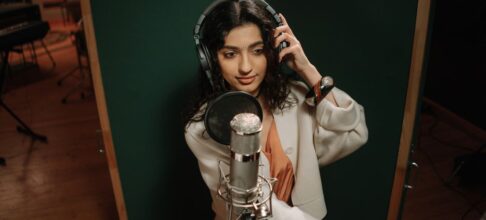
It’s a Tuesday in Paris, and a producer at Dubbing Brothers is frantically fielding calls. The third request this week—no, just today—for urgent French voice over on a streaming series destined for North America. Two years ago, nobody would have predicted this much inbound demand from TikTok creators or Berlin-based animation studios. Now, it seems like every creative project—even indie podcast trailers and YouTube shorts—needs that unmistakable French lilt.
What changed? This isn’t the first time French has been trendy in global media. But there’s something different about the current wave: it’s not just luxury brands or cinema auteurs clamoring for Gallic tones—it’s game devs in Montreal, language learning apps headquartered in Tallinn, Australian ad agencies looking to punch above their weight with cross-channel social content.
When Netflix Changed the Game ()
Let’s rewind to : Netflix began rolling out simultaneous multi-language releases for its originals. For many European viewers, this meant hearing Stranger Things or Narcos with world-class French voice over within hours of the U.S. premiere—a production shift that pushed localization timelines and budgets into new territory. Suddenly, high-quality dubbing was no longer an afterthought but a launch requirement.
In France itself, companies like TitraFilm saw project volume spike by more than % between and , according to several Parisian post-production managers I spoke with last year. But what’s striking now is how that initial surge broke open a pipeline for non-traditional buyers: smaller platforms like Crunchyroll (for anime) and game studios such as Dontnod started demanding native-caliber voices for global launches.
From AAA Games to TikTok Shorts: The Workflow Shift
A concrete example sits in Lyon: Arkane Studios (of Dishonored fame) used to localize only major titles into French with full voice-over casts—a process involving months of casting and direction work at local sound houses like Keywords Studios France. By , even single-chapter DLCs or event trailers were getting bespoke French tracks within two-week sprints. What changed wasn’t just market size; it was audience expectation shaped by streaming-era habits.
Meanwhile, in Melbourne last fall, a mid-sized social agency ran influencer campaigns targeting Francophone Africa using AI-assisted voice synthesis tools like Descript paired with native actor review passes. Their client—a fintech app—reported user engagement rates up % compared to English-only spots on Instagram Stories and WhatsApp ads.
Why Does Everyone Suddenly Want That Parisian Flair?
It isn’t only about prestige anymore—it’s about connection and access. In Canada, Ubisoft Montreal runs parallel pipelines for English and French versions of nearly every narrative asset they produce (cutscenes, tutorials). According to staff I met during MIGS (the Montreal International Game Summit), up to % of their early beta testers select French audio tracks when given the choice—even internally among non-native speakers—citing better immersion.
On YouTube, creators like Justine Leconte (fashion) or Paul Taylor (comedy) regularly commission custom French dubs or subs—not as afterthoughts but as core parts of their channel growth strategy. A recent Ademea talent study estimated that channels offering premium bilingual content see average subscriber growth rates nearly double those sticking to one language.
Not Just Big Budgets: Micro-Studios Get In On It
A recurring pattern across Europe: small teams leveraging cloud-based collaboration tools such as Voquent and Bunny Studio to book vetted native speakers for short-form content at rates once reserved for radio spots alone. Take a boutique studio in Warsaw—they recently completed a children’s mobile game localization using fully remote cast management and real-time script updating via Google Docs plus asynchronous feedback cycles on Slack.
Result? The app launched on Apple Arcade France trending charts within days; player reviews cited “surprisingly natural” dialogue delivery as a highlight.
Frictions Nobody Talks About Yet Still Persist
Of course, rapid growth brings headaches too. One localization producer at an Amsterdam media house confessed their recent campaign for an eco-tourism brand hit delays because of tight turnaround expectations—"Clients think everything can be delivered overnight since everyone uses AI mixing now," she said wryly—but quality still relies heavily on human actors’ nuance.
And then there are regional accents: A gaming company in Quebec tried sourcing Parisian-sounding talent via automated platforms only to face social backlash from players who felt alienated by what they called “overly metropolitan” intonation versus Québécois authenticity. That led them back toward hybrid casting practices blending both regional styles depending on target demographic segmentation data drawn from Steam sales metrics.
Where It All Goes Next Isn’t So Obvious…
In industry conversations from Berlin to Sydney these past six months, there’s agreement that demand will keep climbing—especially as user-generated content floods platforms hungry for international reach—but who sets the bar for quality remains hotly debated.
What’s clear is that the era of treating non-English voice over as secondary has ended—at least among creators ambitious enough to think globally from day one. Whether you’re editing reels from your London flat or managing AAA pipelines in Paris suburbs, you’re probably watching your inbox fill with requests for “authentic,” “emotionally engaging,” sometimes even “hyper-localized” French vocal performances—and you’re scrambling alongside everyone else trying not to get left behind.