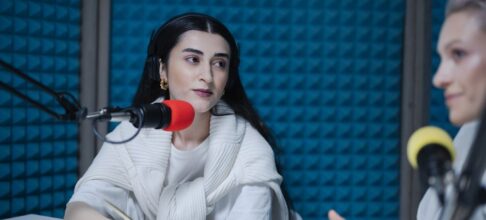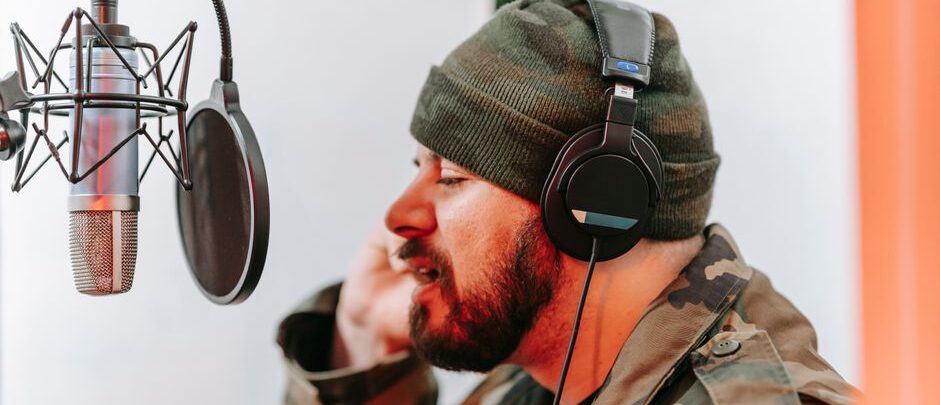
In Prague’s Žižkov district, you can overhear heated debates about accent neutrality and comedic timing through double-glazed windows of a modest audio studio. It’s 2026, and while Czech voice over doesn’t make international headlines like Hollywood dubbing giants, its fingerprints are everywhere—if you know where to look.
Not Just For Fairy Tales: Netflix Central Europe’s Experiment
Few outside the region realize that Czech voice actors have been quietly voicing characters for pan-European streaming launches since before the pandemic. When Netflix rolled out its Central European slate in late 2022, they piloted an unusual workflow: instead of direct-from-English dubs, some series routed scripts through Prague-based agency Studio Beep. This meant that Polish or Hungarian versions were sometimes adapted from Czech dubs—not just as a cost-saving maneuver, but because Czech adaptation teams had a reputation for blending fidelity with playful localization.
The experiment was telling. By mid-2024, roughly one in four children’s animated titles on Netflix Kids Poland credited Czech post-production teams for their adaptive scripts. For productions like "The Magic Tram," originally a Danish-German co-production, the Czech track became the de facto template for Slavic-language versions—especially when localizing wordplay-heavy dialogue.
A Small Market With Outsized Impact
How did this happen? Some industry insiders trace it back to Czech TV's tradition of top-tier narration in the 1980s and ‘90s—a time when Václav Postránecký was as much a household name for his voice as his on-screen appearances. But nostalgia only explains part of it.
By 2023, Prague-based S Pro Alfa saw demand for video game localization spike by almost 40% year-on-year from Western European studios seeking “neutral” Eastern European accents. The reason: Western publishers realized games dubbed into colloquial Polish or Russian could alienate other markets—but a subtle Czech inflection often tested well even among Baltic players.
A producer at CD Projekt RED mentioned (off-record) that side quests in their expansion packs were increasingly prototyped with Czech voiceover talent before final adaptation into more region-specific tracks. Not because Czech is inherently less colored than other regional languages—but because their actors are trained for precise mood shifts and unobtrusive delivery.
Inside a Workflow: Indie Games and Global Reach
Take Amanita Design—the Brno/Prague indie studio behind point-and-click hits like "Machinarium." When preparing "Phonopolis" for global release last year, their workflow ran counter to expectation: English script → rough animatic → preliminary recording with two veteran Czech VO artists → feedback loop with French and Japanese partners before any English casting was finalized.
Why? According to sound designer Jaroslav Vojtěchovský, “Our actors improvise warmth and ambiguity where literal translations would kill the joke.” In practice, Amanita’s workflow means foreign language partners now wait for annotated reference takes from Prague—sometimes adjusting their own line deliveries to match the pace or tone set by original Czech performers.
It’s not mass production; it’s something closer to bespoke tailoring. Out of twelve partner studios working on "Phonopolis" localization in 2025–26, six requested early access to the unpolished Czech tracks rather than defaulting to English master scripts.
AI Dub Tech Meets Human Nuance: The DubbingAI Paradox
Of course, there’s another current running below all this—the rise of deep-learning-powered voice synthesis tools across Europe. German startup DubbingAI made waves with real-time cross-language syncing tech adopted by RTL+ in late 2025; yet even they run into stumbling blocks when handling tongue-in-cheek dialogue or period dramas set in interwar Czechoslovakia.
A case surfaced last autumn at Berlin's Audiovisual Localization Summit: producers attempting AI-assisted translation of “Vrchni, prchni!” (a classic Czech comedy) abandoned synthetic voices after initial focus group tests flopped—audiences found jokes fell flat unless performed with that distinct blend of deadpan earnestness and sly subtext typical of Prague stage actors.
So hybrid workflows emerged. At IYUNO Media Group's Budapest outpost, engineers now routinely feed AI models hours of authentic mid-‘90s ČT archives just to approximate contemporary humor levels—and still end up patching key scenes with human re-recordings from Prague-based talent agencies like Voice Pro Studio.
The New Gatekeepers Are Unexpectedly Local… And Global All At Once
On paper, you’d expect major platforms like Disney+ or HBO Max Europe to pull voice assets directly from LA or London pools—and five years ago they mostly did. But content managers at German branch offices note that since 2023–24 rollouts in Central Europe, requests for "secondary reference dubs"—often sourced from Brno or Ostrava studios—have grown by about 15% per season release cycle. These secondary tracks serve as fallback templates not only for neighboring Slavic markets but occasionally further afield; anecdotally, several Turkish drama adaptations used rhythm cues lifted straight from earlier Czech dubs.
It’s not always obvious unless you’re watching closing credits scroll past names like Ivana Korolová (whose vocal versatility has made her a go-to lead across Spanish-dubbed telenovelas repurposed for Slovak TV), or Tomas Juřička (who quietly supervises ADR sessions spanning three time zones).
Legacy Meets Algorithmic Disruption: Training Grounds Matter Again
Voice direction pedagogy still counts here—a fact overlooked until recently by global audio houses trying (and failing) to automate everything via text-to-speech solutions alone. While Parisian schools once claimed dominance training narrative announcers for pan-European commercials during the late ‘90s boom years, several large-scale EMEA advertising campaigns in 2025 quietly redirected projects through Prague agencies instead after pilot batches exposed glaring authenticity gaps elsewhere.
tlgroup.cz—a midsize player—reported that nearly one-third of its Q3 bookings last year involved re-recording AI-generated tracks with seasoned Czech narrators before final export to Germany and Scandinavia. Project leads blamed “unexpected emotional resonance issues”—industry code for lines lacking human charm or context-sensitive phrasing familiar to anyone who grew up on Česká televize fairytales.
A Moment On The Soundstage: Real-World Workflow Snapshot
In early spring 2026 at Filmové Studio Barrandov’s smaller ADR booth: director Martina Hudečková reviews an action RPG cutscene alongside Swedish producers dialing in remotely from Stockholm. They listen first to an English placeholder performance; then she plays her preferred take—a dry-witted exchange between two minor NPCs recorded by veteran actor Karel Zima during his lunch break days earlier.
The Swedes ask if they can use Zima’s pacing as reference—not just his script notes but his actual vocal tempo—for their Finnish dub team back home. Hudečková shrugs; this happens more often now than ever before—Czech read-throughs turned into practical guides far beyond national borders.