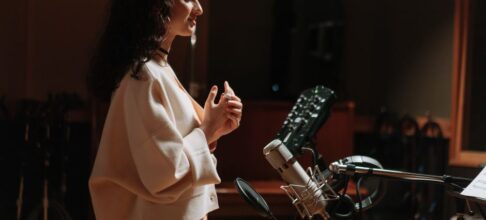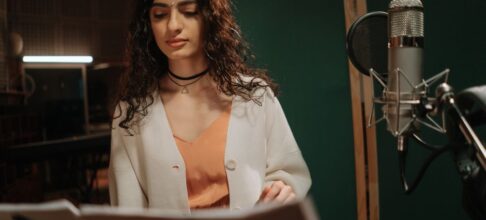
It’s easy to imagine German voice over as a smooth, mechanical process—one where actors step into soundproof booths and simply read lines off a page. That image couldn’t be further from reality. In truth, the world behind German-language voice work is a battleground of deadlines, cultural translation puzzles, shifting technology (and the occasional existential crisis).
The Reluctant Artistry Behind the Microphone
Berlin’s Babelsberg Studios—famed for its role in European cinema since 1912—once hosted Marlene Dietrich and Fritz Lang. Today, you’re just as likely to find a team hunched over Netflix scripts, wrestling not with poetry but with comedic timing that doesn’t land in Hochdeutsch. Ask any engineer at FFS Film- & Fernseh-Synchron GmbH (the studio responsible for hundreds of major Hollywood localizations), and they’ll tell you: even now, whole afternoons can vanish as directors debate whether a single joke works in Cologne or sounds flat in Munich.
More Than Just Voices: The Cultural Surgery of Localization
Consider what happened when CD Projekt Red decided to launch “The Witcher 3” across Europe in 2015. They didn’t just drop their acclaimed RPG into Google Translate; instead, they called on specialized studios like Toneworx (Hamburg) to cast voices that sounded authentically medieval but also believably German—not an easy feat given regional dialects and expectations. In practice? Directors sometimes record three takes per character: one neutral (for nationwide TV), one slightly Bavarian (for southern ad campaigns), and one intentionally stilted for humor.
This isn’t uncommon. A typical localization project run by Berliner Synchron will involve dozens of hours spent reworking dialogue trees, particularly for interactive media. While English games might get away with broad delivery, German audiences demand linguistic nuance—the kind only native speakers can truly judge.
How Streaming Blew Up Old Habits
Until around 2016, most German voice over work followed a predictable path: cinema blockbusters first, trickle-down contracts for TV reruns later. But as Amazon Prime and Netflix entered the DACH market at full tilt (with nearly 20 million combined subscribers by late 2020), demands changed overnight. Suddenly entire series dropped at once—and so did recording schedules.
A real-world case: during the first season localization of "Dark" for Netflix’s global roll-out in 2017, Munich-based Splendid Synchron was forced to triple its pool of available actors just to meet the two-week deadline imposed by simultaneous worldwide releases. This meant not just more talent—but more union wrangling over pay scales and residuals.
When AI Meets Irony (and Fails)
There’s an unspoken skepticism around AI-assisted dubbing tools here—especially after some high-profile flops. In early 2023, several indie producers tried ElevenLabs’ synthetic voices on short-form educational content aimed at Austrian schools. Feedback came fast: teachers found intonation robotic; students giggled uncontrollably during serious passages about Goethe.
At present, no major broadcaster or studio in Germany has replaced human voice actors entirely with AI solutions—though hybrid workflows are emerging for trailers or automated compliance announcements. Engineers at Studio Hamburg Synchron admit using text-to-speech prototypes to pre-fill scratch tracks (“it saves us half a day per episode”), but all final dialogue still goes through live performers.
Union Realities and Rate Wars
Unlike their US counterparts under SAG-AFTRA rules, most German voice talents work freelance via agencies like Sprecherdatei.de or directly negotiate rates through guilds such as VDS (Verband Deutscher Sprecher). Fees vary wildly—from €60/hour for indie webisodes up to €400/hour for blockbuster film roles—as do session lengths and buyout terms.
A persistent source of friction? International clients used to flat rates balk at Germany’s labyrinthine royalty structures—where residual payments often continue years after initial broadcast if reruns air on regional stations like MDR or SWR.
Case Study: Video Game Chaos in Frankfurt
Let’s take Daedalic Entertainment—a well-known game developer out of Hamburg that regularly contracts Frankfurt-based Audio Resort GmbH for multi-platform titles like "Deponia." On one recent release cycle (2021), their workflow included:
- Three separate casting rounds due to sudden script rewrites from US partners,
- Emergency re-recordings after QA testers flagged mistranslated legalese,
- Two weeks lost because an actor had COVID-19 and couldn’t match previous recordings’ vocal tone,
- Last-minute ADR sessions squeezed between other clients’ bookings—a juggling act only possible with extensive scheduling software now common among mid-sized studios.
and finally,
This kind of scenario plays out weekly across Germany’s gaming sector—which grew by nearly 13% year-over-year from 2019–2022 according to GAME Verband data—and it’s rarely visible outside industry circles.
Dialect Dilemmas Still Haunt Producers
Anyone who claims there is “a” standard German voice is ignoring centuries-old divides between North Rhine-Westphalian crispness and Saxon softness—or Berliners’ tendency toward dry understatement versus Swabian warmth. A recurring headache for producers working on national ad campaigns or children’s programming targeting both Hamburg and Vienna markets is finding talent who can adjust registers without sounding affected.
Some brands have learned this lesson the hard way: In 2020, a car manufacturer launched region-specific radio spots across Germany using Berlin-based MOKOH Music & Media only to discover southern listeners tuned out instantly when exposed to northern inflections.
Why Authenticity Is Non-Negotiable Now
Streaming platforms may have accelerated everything—but they also raised standards dramatically among viewers accustomed to original content subtitled rather than dubbed. According to GfK research from late 2022, roughly one-third of younger Germans now prefer original-language versions unless local dubs feel “genuinely authentic.”
That means studios are spending more on dialect coaching and occasionally flying in actors from Austria or Switzerland—even if it doubles costs—to avoid being roasted online by discerning fans on Reddit or Twitter/X within hours of release.
The Future Isn’t Written Yet — But It Sounds Like Collaboration
As budgets fluctuate post-pandemic and new AI tools creep into production pipelines—not always welcomed—it’s collaboration that defines success stories now. Several Berlin studios recently joined forces with pan-European partners through EGA Digital Labs to share custom pronunciation databases; meanwhile Leipzig-based projects experiment with remote direction via Source Connect Pro so diaspora talents can record from home setups abroad without losing fidelity.
In short: despite pressure from automation evangelists and bottom-line accountants alike, skilled humans remain central—not just technically but culturally—to every great piece of German-language voice work you’ve ever heard.