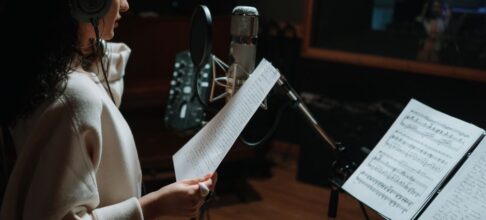
No one saw it coming this fast. By early 2026, what used to be a niche service—Filipino voice over for global media—had become a frictionless process, with even small agencies in Makati and Quezon City pumping out dubs and localizations that sounded as rich as anything from London or LA. But let’s rewind: only five years ago, studios across Southeast Asia still argued about whether you could trust automated tools for more than scratch tracks.
The Old Manila Workflow: Cables, Scripts, and “Sige Na”
In late 2019, I visited a production house tucked above an electronics store on Tomas Morato. The workflow? A mix of coffee-fueled ADR sessions, frantic WhatsApp group chats with Tagalog linguists, and last-minute script tweaks before the client called from Singapore or Dubai. At least three different audio engineers would touch each project—and re-records were common when cultural nuances got lost in translation.
Fast forward to today: that same studio now fields inquiries from Australian game companies looking to localize their indie RPGs for a Filipino audience. They’ll get clean, broadcast-quality voice tracks delivered within hours—a feat unthinkable even in the early 2020s.
A Real-World Pivot: How Bluelight Media Rethought Localization
Take Bluelight Media, a mid-sized agency based in Pasig. In 2023, they handled about eight Filipino language projects per month. But by Q1 of 2026, with AI-assisted workflows and remote talent pools managed via platforms like Voquent and Voice123, they’re pushing close to thirty monthly projects—including work for two Netflix-style streaming apps targeting diaspora viewers in Canada and Australia.
Their secret isn’t just technology (though their studio boasts an impressive array of Dolby Atmos-enabled booths). It’s the hybrid workflow: producers assemble scripts using adaptive TTS previews (thanks to ElevenLabs’ regional model rollouts), then patch live actors for final takes—often recording remotely from Cebu or even California-based Pinoy talent hubs. Post-production now leans heavily on AI-powered cleanup tools; Izotope RX is practically a household name among their engineers.
From Call Centers to Content Creators: A Talent Pipeline Evolves
Historically, much of the Philippines’ English-language vocal talent came out of BPO call centers or traditional radio drama backgrounds. In practice? Studios would audition dozens of voices before landing on someone who could nail both Taglish banter and formal narration. Now there’s an unexpected twist: YouTube creators with massive followings are increasingly tapped for commercial spots or animated series dubbing gigs after demonstrating comic timing—and audience rapport—that seasoned VO pros sometimes struggle to match.
Case in point: When Singapore-based animation firm TinyFlick hired Manila influencer Abby Cruz (800K subs) for its flagship kid’s show last year, episodes posted on TikTok hit viral numbers within days—outperforming English-language versions by nearly 60% on Southeast Asian social streams.
Regional Nuance Still Matters—and Software Can’t Fake It All
Of course, not everything runs on rails. While some large clients are content with fully synthetic reads for explainer videos or e-learning modules (estimates put machine-only projects at roughly 15–20% of total volume), advertising agencies remain fiercely protective of nuance-driven reads—especially when dealing with regional dialects like Hiligaynon or Chavacano.
I sat in on a session at Cebu’s SoundFoundry Studio last quarter where director Jomar Villanueva spent an hour coaching a Surigaonon actor through three lines—all because a single inflection missed the mark emotionally. There are no shortcuts here; human direction still trumps algorithmic convenience when stakes are high (think luxury brands or government PSAs).
AI Is No Longer the Enemy—in Fact, It’s Your Production Assistant
What does "simple" look like now? Automation handles drudgework—format conversions, basic noise gating—but artistry is preserved where it counts. Most Philippine agencies rely on cloud-based asset management suites (Frame.io’s APAC uptake has doubled since late 2024) so teams can collaborate asynchronously across time zones.
A typical scenario these days: An Auckland-based documentary producer uploads English narration drafts overnight; by morning Manila time, Filipino versions—with alternate takes and dialect-specific reads—are ready for review without ever scheduling an all-hands Zoom call.
And while some legacy holdouts grumble about job displacement (“Remember when we booked three weeks just to cast one TVC?”), most studios have simply shifted focus toward creative direction—and quicker turnaround means more campaigns per quarter.
The Diaspora Effect: Reaching Beyond Luzon
There’s also been an uptick in demand from outside Metro Manila—think Davao startups wanting Dabawenyo-accented explainers for fintech launches aimed at Mindanao youth markets—or U.S.-based nonprofits targeting Ilocano-speaking communities across California and Hawaii. According to two localization project leads I spoke with at Kroma Entertainment last December, requests involving minority dialects have grown nearly 30% year-over-year since mid-2022. This expansion isn’t just technical; it reflects how distributed teams (and AI-driven voice matching) let agencies tap into authentic regional talent without flying anyone cross-country.
Game Studios Lead With Playfulness—and Practicality
Notably, gaming localization has become almost routine business for smaller shops. At PixelCrate Labs—a Quezon City indie studio specializing in mobile games—the process often begins with a quick pass using Resemble.ai’s synthetic Filipino voices to spot pacing issues before bringing real actors into Source Connect sessions for final dialogue passes.
Sometimes developers even crowdsource fan translations via Discord before refining scripts with professional linguists—a workflow barely imaginable during the clunky Flash game era of the mid-2000s but shockingly effective today when schedules are tight and budgets finite.
Global Platforms Find Their Groove With Local Voices
It isn’t just homegrown media benefiting from streamlined workflows either. Spotify started experimenting with localized podcast intros back in late 2023; now several top-performing shows feature Filipino openers recorded by bilingual hosts from Toronto and Iloilo alike—helping boost market retention rates by up to 18%, according to internal reports circulated among SEA marketing teams last fall.
Even Apple Podcasts quietly rolled out multi-dialect support so listeners can select between Tagalog narration or Visayan commentary—a nod not only to linguistic diversity but also platform-level competition as local user bases expand beyond urban centers.
Reality Check: Not Quite One-Click Simplicity
Still: don’t believe every demo reel claiming "instant" results. The industry consensus—even after two years of rapid-fire innovation—is that while first drafts might emerge overnight thanks to smart pipelines and automated quality checks (Adobe Podcast beta users know this well), truly compelling work always circles back through human ears… sometimes those belonging to directors who’ve survived decades-long careers bridging analog tape decks with digital dashboards.
Ironically enough, it’s often the youngest producers who push hardest against purely synthetic solutions—not out of nostalgia but because they recognize how local humor or intonation can make or break campaign virality on TikTok or Facebook Watch streams across Southeast Asia.
So What Actually Changed?
Put simply? The old barriers fell away:
- Audition pools expanded globally without losing cultural specificity,
- Turnarounds compressed from weeks down to days,
- And maybe most critically—the definition of “professional” broadened past union rosters toward influencer collabs and regional partnerships previously deemed too complicated logistically.
What remains constant is an almost stubborn pride among Filipino creatives—a refusal to flatten everything into algorithm-friendly blandness despite mounting pressure from clients eager for speed above all else.
In short? Making Filipino voice over simple doesn’t mean making it generic—it means making it accessible without sacrificing what makes it resonate locally AND globally.