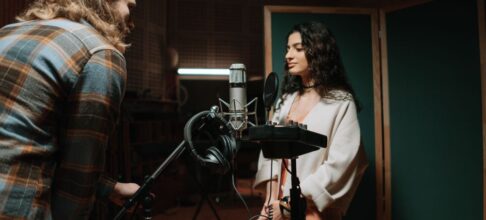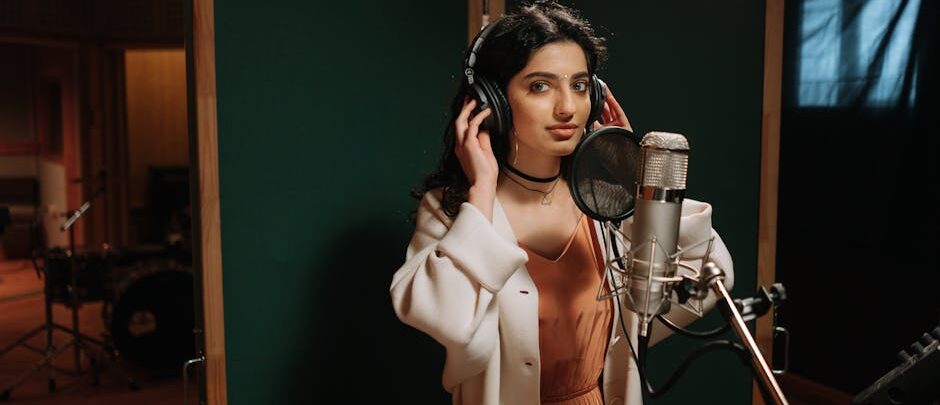
The year was when a subtitling project for a small streaming platform in Slovenia ran into an odd obstacle: the client wanted their indie documentary dubbed in Esperanto. Not subtitled—fully voiced. At first, the Ljubljana-based localization coordinator laughed it off as a novelty request. But within three weeks, she’d assembled a team of four voice actors (two from Poland, one from Brazil, one local) and started recording in a makeshift studio above an old record shop. This is where theory about Esperanto Voice Over meets gritty reality—and the process is more layered than most production folks admit.
Roots of an Unlikely Niche
Esperanto’s reputation as the “international language that could” sometimes overshadows its quiet role in modern media. While not competing with Spanish or Mandarin for blockbuster dubs, there’s been a curious uptick since the late 2010s: hobbyist game studios, non-profit video producers, even AI-driven learning apps experimenting with Esperanto voice assets. It’s rarely driven by mass demand—more often by ideology, community requests, or quirky educational pilots.
In fact, Duolingo launched its Esperanto course in and quickly realized that their instructional videos would reach more learners if they included native-sounding audio—not robotic TTS output. So they worked with Studio Sonore in Warsaw to produce authentic recordings.
A Step-by-Step Dive Into Production
Forget generic workflow diagrams; actual Esperanto dubbing jobs are patchworks of best-practices borrowed from larger language markets but scaled down and improvisational:
- Usually begins with sourcing a fluent translator who can also adapt idioms (as direct translation rarely flows naturally).
- In European agencies like LocWorks (based in Gdańsk), script adaptation is often paired with consultation from experienced Esperantists to avoid literal awkwardness.
- Casting Voices
- Here lies unique friction: while English or German VOs have hundreds of seasoned pros on call, finding trained Esperantist voice talent means scouring niche online communities—the Telegram group “Voĉaj Artistoj” had just over members last year.
- A Berlin podcasting collective reported needing three weeks just to audition voices for an animated explainer aimed at schoolchildren.
- Recording Sessions
- Hardware isn’t special; what matters is linguistic coaching. Polish studios tend to fly in linguists or connect via Zoom for remote session supervision—a pattern seen across Eastern European projects.
- Turnaround? For a -minute educational segment, two days is considered fast; four is normal when factoring corrections.
- Post-Production Nuances
- Editing Esperantic phrasing against visuals brings subtle challenges: syllabic timing can differ up to % compared to English lines (a figure shared by audio editor Tomasz Majka at Poznań Media House).
- Syncing mouth movements is less strict than anime dubs but still more complex than narration overlays found in Russian TV practices.
- Only one staff member spoke Esperanto fluently; others leaned on Google Translate before hiring external consultants from Hungary and Germany.
- For character dialogue (over lines), LunaCodo used Cleanfeed Pro to remotely link voice talent based in Budapest and Cologne into live recording sessions managed out of their Barcelona HQ.
- Implementation took six weeks longer than similar Spanish or Catalan VO projects due to script revisions and actor retakes—mainly because feedback from dedicated Esperanto gamers was vocal and uncompromising on idiomatic authenticity.
- Yet post-launch data showed something remarkable: users reporting higher engagement rates (upwards of % longer play sessions) when using the full VO option instead of subtitles alone—a clear sign that even fringe-language immersion holds measurable value for niche audiences.
- Scripts might be written in Italy,
- Proofread by expats living near São Paulo,
- Voiced by freelancers dialing in from Prague or Vilnius,
Case Study: Gaming Meets Idealism in Barcelona
The indie studio LunaCodo launched "La Vojo de Lumo"—an adventure game designed as both entertainment and Esperanto practice tool—in early . The team faced unexpected hurdles:
AI Tools Enter the Scene… Sort Of
While major platforms like Respeecher began offering custom synthetic voices in dozens of languages around –, commercial-grade Esperanto models lagged behind due to scant training data. A Greek e-learning company tried adapting open-source TTS engines but found results only passable for basic lesson narration—robotic prosody being especially grating to purist Esperantists known for policing pronunciation on forums like Reddit’s r/esperanto.
Still, experimental startups are making headway: LingvoTech (Tallinn) rolled out beta support for automated VO tracks last year by blending crowdsourced samples with neural synthesis—a workflow now piloted by two Central European edtech firms aiming for affordable mass content localization without human actors on every title.
Where Budgets Meet Community—and Compromise
Unlike French or Japanese dubbing pipelines backed by established unionized rates and industry norms, budgets here are elastic—sometimes shoestring altogether. One Berlin-based audiobook publisher revealed that commissioning an unabridged novel reading in Esperanto cost them roughly €2,—about half what equivalent English narration demanded—but required nearly twice the coordination time due to talent scarcity and iterative review cycles with language advisors worldwide (from Montreal to Seoul).
The international flavor persists throughout production:
and mixed down back at headquarters somewhere else entirely—all coordinated through Slack channels thick with polyglot chatter and volunteer enthusiasm uncommon among more commercialized languages.
Historic Fragments: When Radio Led the Way
It’s easy to forget that radio broadcasters experimented with Esperanto far earlier than today’s digital workflows. The BBC famously aired shortwave segments during the postwar years—even featuring brief drama readings dubbed into Esperanto as part of cultural outreach between –. Archival records suggest these early efforts set precedents for later multimedia experiments despite never reaching mainstream permanence.
Current Landscape—and Quirks That Persist
No large-scale studio specializes exclusively in this domain; most work goes through boutique agencies or freelancer collectives such as Voĉo Nova (Prague)—who report fielding between five and ten substantial projects per year as of late , mainly serving NGOs or academic clients rather than pure entertainment brands like Netflix or Disney+ (where demand hasn’t materialized beyond isolated short films).
Yet there’s visible growth at grassroots level:
in Poland alone, over half a dozen YouTube channels uploaded original video essays fully voiced over in Esperanto last year—a notable jump from just one channel doing so regularly pre-pandemic era circa –.
Digital conferences such as Universala Kongreso increasingly commission highlight reels narrated bilingually—inspiring new creators outside Europe too; one Philippines-based language school recently unveiled interactive lessons voiced entirely by local students after collaborating remotely with Slovenian advisors via Discord calls lasting up to six hours each week during production sprints last autumn.
What Does Success Look Like?
Success isn’t measured purely by views or revenue here—it’s about closing communication loops inside passionate micro-communities scattered globally yet intensely loyal once engaged authentically. A common story heard among project managers at smaller agencies: “We spend double the effort convincing funders this adds value... until they see user feedback pouring in.”
and sometimes those comments arrive typed directly en esperanto itself—a mark no AI subtitle ever quite replicates yet.