In , an American streaming giant quietly commissioned Tagalog-language dubs for a handful of its teen dramas. It wasn't announced with fanfare; the moves were almost invisible except to the keen observers inside Manila’s bustling post-production houses. But within months, social media was bristling with Filipino viewers dissecting every nuance—sometimes delighted, sometimes irked at odd inflections or misplaced slang. The message was loud: language adaptation wasn’t just technical, it was cultural—and business-critical.
The Real Stakes Behind Voice Adaptation
On paper, adding a Filipino track to your content seems simple—a routine line item in any localization budget. In practice? Not quite. For companies venturing into Southeast Asia, especially consumer brands and entertainment platforms, the choice of Filipino voice talent can alter not just reception but revenue. Consider Singapore-based Grab during its expansion push: their in-app audio guidance switched from English to regionally-accented Tagalog for Metro Manila users. App engagement spiked by approximately % within two quarters—an uptick that product leads directly associated with improved user trust and accessibility.
Why Companies Still Stumble (and Learn)
Yet even major players make mistakes. A common misstep is treating all Filipino accents as interchangeable or reducing voice work to literal translation. I recall observing a campaign for a global soft drink company—let's call them ColaPro—in mid- aiming to localize TV spots for Luzon and Visayas audiences. Production ran into last-minute panic when test audiences flagged that the chosen narrator sounded “Manileño,” lacking the warmth associated with Visayan communities. The spot had to be re-recorded—delaying rollout by weeks and incurring unforeseen costs around –%. Lessons learned: regional identity isn’t background noise; it’s center stage.
Inside a Studio Workflow: The Manila Example
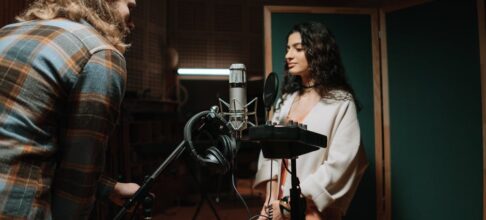
Walk into a typical session at RoadRunner Network, one of Quezon City’s better-known studios, and you’ll see why this matters. Projects destined for pan-Philippine broadcast get castings as granular as “should sound like she grew up in Cebu but went to college in Manila.” Directors like Patricia Gonzales insist on multiple read-throughs—not only for clarity but authenticity:
“We never assume standard Tagalog will do,” she explains between takes on an animated feature adapted from a Korean webtoon. “It sounds stiff if you just translate word-for-word.”
This meticulousness pays off beyond film and TV. In early , a US-based edtech firm (rumored among insiders to be Duolingo) ran pilot tests with Philippine students using both generic synthetic voices and native human narrators for their new language module app. Feedback highlighted up to % higher comprehension rates when lessons used authentic regional intonation—even if vocabulary matched.
Gaming Studios Get It First (Sort Of)
If there’s one sector quick on the uptake, it’s mobile gaming. At least three Japanese publishers working through partners like KLab Global have spent the past few years building out Tagalog voice packs—not just for flagship titles but also event-driven live ops content targeted at Pinoy gamers across Luzon and Mindanao.
A producer based in Fukuoka described their process last year: “We fly out directors and scout talent who can improvise in Filipino memespeak. Otherwise, dialogue falls flat—or worse, gets meme’d online for being tone-deaf.” That risk isn't trivial; negative viral reactions after stilted dubs have previously led to swift patch updates or even pulled campaigns.
Numbers Don’t Lie—But Nuance Wins Loyalty
Industry estimates suggest over million Filipinos are digital natives or active internet users—a market too large to ignore if you’re scaling regionally in Southeast Asia post- lockdowns. Yet adoption patterns are uneven: platforms that invest in local voice-over report dramatically lower churn rates compared with those offering only subtitles or standard English tracks.
Take iWantTFC—a streaming platform under ABS-CBN—which revealed through shareholder reports that original series localized with tailored regional dubbing consistently pulled stronger week-on-week retention than comparable undubbed imports by margins nearing %. For brands outside entertainment (think fintech apps or e-commerce), similar internal surveys often indicate increased brand trustworthiness when customer support bots switch from robotic English to warm Taglish recordings.
Not Just About Language—About Belonging
There’s another layer often missed by outsiders: code-switching isn’t just trendy patter—it signals belonging. Many successful ad agencies operating between Makati and Davao now brief voice talent not only on script but scenario context (“You’re consoling a friend stuck in traffic” vs “You’re announcing promo winners on air”). This approach surfaced strongly during pandemic-era health campaigns run by DOH partners such as MullenLowe Treyna; community buy-in rose measurably when scripts adopted everyday expressions rather than formal medical jargon.
Historic Shifts—and Missed Opportunities (2000s–Present)
None of this happened overnight. Back in the early 2000s, foreign companies entering Metro Manila rarely bothered with full-scale audio localization—they’d settle for subtitles or mechanical translations at best. Change began accelerating post- when telco giants Globe Telecom and Smart Communications started investing heavily in branded infotainment videos voiced natively rather than dubbed afterthoughts.
By mid-2010s, several BPO service providers had started recruiting bilingual agents trained specifically for outbound campaigns using conversational Filipino voice cues instead of rigid call-center English—a move credited internally with raising client satisfaction scores by nearly % over previous years according to internal benchmarking studies shared at annual industry conferences like Contact Islands.
The AI Temptation—and Its Limits So Far
With generative AI tools now promising instant multilingual dubbing, some startups hope tech alone can close the gap on demand for authentic-sounding Filipino voices. Yet real-world pilots tell another story: Australian game publisher PlaySide Studios experimented last year with synthetic Tagalog narration layered onto children’s games aimed at Southeast Asian markets—the result? User feedback skewed neutral-to-negative unless native speakers manually reviewed each phrase before release.
A pattern emerges across studios from Berlin to Sydney: AI speeds things up—but without human quality control attuned to local idioms (“Kaya mo ‘yan!” versus awkward direct translations), even slick products stumble when reaching real Pinoy audiences.
Beyond Subtitles: Why True Localization Means More Than Words
influencers like Erwan Heussaff have repeatedly pointed out how much more powerful campaigns become when localized audio matches not just words but mood—from playful banter on YouTube food series sponsored by Singapore Airlines’ KrisShop down to somber tones used by insurance firms pitching family plans on AM radio across Batangas province.
in small creative collectives around Cebu City specializing in podcast production—a rapidly growing sector since Spotify listed Cebuano podcasts as trending genres mid-—the consensus is clear: listeners switch off quickly if they sense generic or unauthentic delivery regardless of technical sound quality.
the future won’t be decided solely by technical innovation or cost savings—but by which companies grasp that Filipino voice-over means inviting someone home rather than sending instructions from afar.