The Unlikely Surge: From Local Ads to Netflix Originals
For decades, Greek voice talent mostly worked in advertising jingles or low-budget cartoons. There was always some local flavor—punchy delivery, over-the-top emotion—but almost no structured pipeline for high-end dubbing.
What changed? In –, as streaming platforms started eyeing Southern Europe for expansion, they realized audiences weren’t satisfied with subtitles alone. Greeks have high expectations when it comes to localization; a badly synced show will get roasted on social media within hours. So, when Netflix commissioned full-cast dubs for series like "The Dragon Prince" and "Lost in Space," Athens-based post houses had to adapt overnight.
Studio ATA reportedly doubled its recording booth capacity between and just to keep up with demand from US studios. Meanwhile, international localization company VSI opened a dedicated branch in Athens by early , focusing on game and streaming content.
Workflow Upheaval: A Real Production Day at Soundflakes
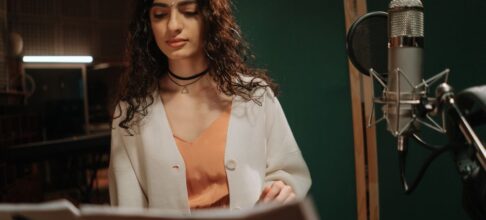
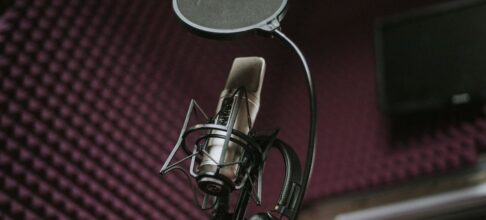
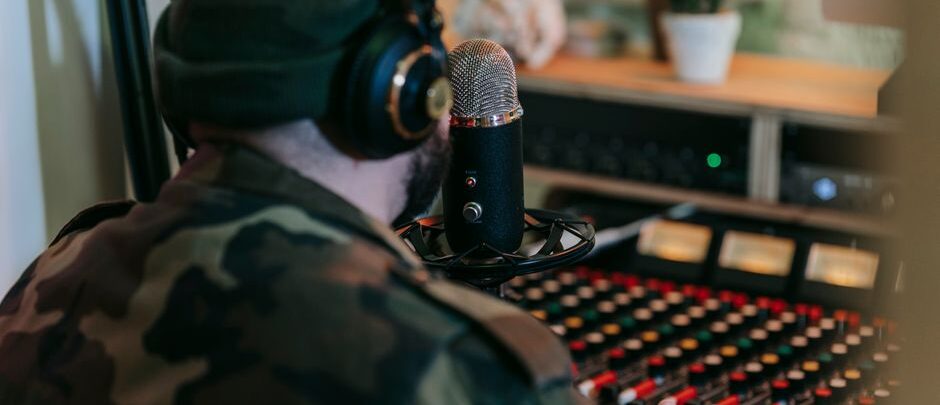
Walk into Soundflakes’ downtown offices on any weekday morning and you’ll see why things aren’t as easy as plugging in a microphone. Their workflow starts well before any voice actor steps up to the pop filter:
- Incoming scripts get localized by specialists who know how Greek idioms land (or don’t) in fantasy dialogue.
- Directors run rehearsal sessions not just for accuracy but also emotional resonance—a must when adapting shows heavy on teen angst or subtle humor.
- Most importantly, actors are cast based not only on vocal range but their ability to pivot between styles: anime one day, gritty sci-fi the next.
- Scripts arrive encrypted; translation teams scramble under NDA pressure.
- Voice directors pull from pools of both trained actors and YouTube personalities with cult followings among younger players.
- Sessions are scheduled around weird hours due to time zone gaps with Paris or Montreal producers—the Athens-Montreal Zoom call became almost folkloric during COVID lockdowns.
Every step is tracked using cloud-based project management tools—Soundflakes switched to an Asana-Trello hybrid system after missing two tight deadlines during the pandemic rush of late . The result? They now claim % faster turnaround than their own pre-streaming-era average.
The Game Industry's Quiet Bet on Greek Voices
Dubbing isn’t only about TV anymore. Game studios have become major clients almost overnight—a fact that surprises even old hands at companies like Yannis Films. Since Ubisoft included Greek voice acting as an option in “Assassin’s Creed Odyssey” (), local agencies report steady growth from global publishers keen to court Greece’s highly engaged gaming community.
A typical AAA game localization involves months-long collaboration:
By now it’s common for mid-sized games released across Western Europe (think Focus Entertainment titles) to include full Greek dubs alongside Spanish or Polish versions—a pattern nearly unheard-of five years ago.
AI Voices Arrive—But Human Nuance Still Rules (for Now)
No article about voice work can dodge the AI question anymore. Text-to-speech tools like Descript and Respeecher are being quietly tested by some agencies—in Thessaloniki last year, two boutique studios ran pilot projects using synthetic voices for background characters in mobile games. The results were… mixed.
Clients still want real actors anchoring main roles; automated voices can’t yet nail Greek sarcasm or shift registers as needed for comedy or melodrama. Several production managers I’ve spoken with estimate that less than % of total dialogue lines in commercial projects used synth voices during pilot phases—and most expect this ratio will remain low until TTS models better capture regional tone shifts unique to modern Greek slang.
That said: budgets matter, especially on indie projects where AI options shave days off recording time. One small team from Patras shaved nearly a week off delivery schedules using synthesized placeholders before final actor pickups—a trick now spreading through cash-strapped webseries creators nationwide.
Historical Flashpoint: Dubbing's Early Stigma (and How It Changed)
It wasn’t always cool—or even accepted—to dub foreign content into Greek. Before satellite TV hit big in the late ’90s, viewers associated dubbed programming with clunky Eastern European imports shown on state channels after midnight. Subtitles reigned supreme through most of the 2000s; parents would switch off dubbed cartoons insisting they "ruined" original performances.
Yet by early 2010s this shifted: Nickelodeon Greece made strategic investments into higher-quality children’s dubs around –—a move mirrored soon after by Disney Channel’s southern European division ramping up local adaptation budgets. These small bets paved the way for today’s far more sophisticated landscape where streamed dramas and games regularly release day-and-date with high-caliber native voice tracks alongside English ones.