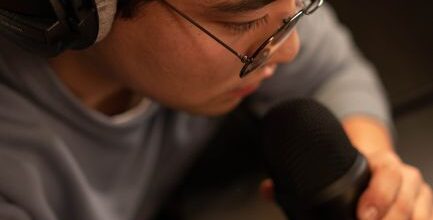
The first time I visited a Parisian post-production studio, somewhere between the Marais and Bastille, I found myself in a cramped sound booth with a seasoned voice actor—someone who’d dubbed everything from Belgian cartoons to major Hollywood blockbusters. It didn’t smell like glamour. The script pages were coffee-stained. The director spoke in half-whispers through an old Sennheiser headset. Yet within minutes, the lines on the page would become a smooth stream of French dialogue, timed to match Tom Hanks’s lips or Spider-Man’s swinging bravado.
This is the undercurrent of French voice over: rarely acknowledged by audiences, fiercely competitive among insiders, and constantly adapting to shifting technology and audience expectations.
A Complicated Heritage: Dubbing vs. Voice Over in France
France has always had a unique relationship with dubbing and voice over work—one rooted in its postwar cultural policies. In , the Loi Dubois made it mandatory for foreign films to be dubbed or subtitled before distribution in France; this wasn’t just protectionism but part of a broader commitment to linguistic identity.
By the late 1980s, companies like Mediadub International were juggling hundreds of projects annually—everything from American sitcoms for Canal+ to Japanese anime for TF1. At that point, more than % of foreign TV content was being dubbed into French for national broadcast according to industry insiders (exact data varies). By contrast, neighboring Belgium split its market between Flemish and Walloon localizations but rarely invested at the same scale as Paris-based studios.
Why Netflix Changed Everything (Again)
The arrival of Netflix—and later Amazon Prime Video—has given French voice over another unexpected twist. In alone, after Netflix expanded its library with global originals, Paris-based studios such as VSI Group saw their annual workload double compared to pre- levels. These platforms insisted on simultaneous launches worldwide; suddenly, deadlines shrank from weeks to days.
In real workflows observed at Dubbing Brothers (Saint-Denis), project managers now coordinate up to five or six language teams simultaneously via cloud-based tools like ZOOdubs or Iyuno-SDI platforms. A single episode release might involve thirty freelance actors cycling through three recording booths in a day—a logistical feat unimaginable during the slower-paced VHS era.
The Voice Behind Pikachu—and His Rivals
Case in point: Virginie Ledieu is hardly a household name outside specialist circles but she’s been the regular French voice for actresses like Meg Ryan since . For long-running franchises (think Pokémon), consistency is king—a single miscast can prompt fan backlash reminiscent of the uproar seen when Dragon Ball Z’s Goku changed voices mid-series on AB Productions’ dubs in the early 2000s.
In gaming localization as well, Ubisoft Montpellier often taps regional talent agencies rather than Paris-only pools when producing multi-language versions of franchises like "Rayman Legends" or "Assassin’s Creed." Here you’ll find actors cycling between commercial VO gigs and weeklong gaming sessions—a pattern mirrored by independent studios across Lyon and Bordeaux.
Not All About Paris: Montreal’s Surprising Role
What most viewers don’t realize is that an increasing share of “French” voice overs are actually recorded thousands of kilometers away—in Montreal studios catering both to Canadian francophones and international streaming clients. Companies like Syllabes have grown by offering neutral-accented deliveries suitable for pan-francophone markets: not quite Parisian standard but designed not to offend either side of the Atlantic.
A common production scenario today involves raw tracks sent overnight from Montreal back to France for final mixing—sometimes leading to subtle accent mismatches that eagle-eared fans catch immediately on social media forums dedicated to dubbing accuracy.
AI Dubbing Arrives (But Doesn’t Replace Humans...Yet)
There’s been talk recently about AI-driven synthetic voices replacing human performers altogether. Major studios such as TF1 Studio began piloting Respeecher-like tech for non-fiction content around —news programs and documentaries where emotional range matters less than speed and volume. But in entertainment genres where nuance makes or breaks character believability? Human actors remain indispensable—for now.
One workflow I observed involved using AI-generated temp tracks so editors could pace scenes quickly while waiting on union-approved talent availability—especially during COVID lockdowns when travel restrictions disrupted traditional schedules across Europe.
Numbers That Tell a Story
Industry surveys suggest roughly –% of all imported film/TV content released theatrically in France gets dubbed; streaming-exclusive titles may see slightly lower rates due largely to cost pressure and faster turnaround demands. During peak periods (such as new seasons dropping globally), individual dubbing houses have reported workloads spiking by –%, forcing reliance on remote-recording setups even among traditionally conservative players like Titrafilm.
The Real Challenge: Balancing Artistry with Scale
Ask any veteran coordinator at Deluxe Media Paris or Nice Fellow Studios what keeps them up at night—it isn’t finding enough vocal talent but rather maintaining performance quality while handling unprecedented volumes under tighter timelines each year.
And then there are creative tensions: Should iconic characters sound classically “Parisian,” or should regional flavors creep into mainstream productions? This debate flares up every awards season when critics scrutinize high-profile dubs against their original counterparts—for instance, when "La Casa de Papel" hit French screens via Netflix France in with distinctive Iberian undertones filtered through Gallic delivery.
Voice over work in France isn’t simply technical labor; it’s a fight over cultural ownership staged line-by-line inside darkened recording booths—from classic film imports through today’s algorithmically scheduled binge drops.