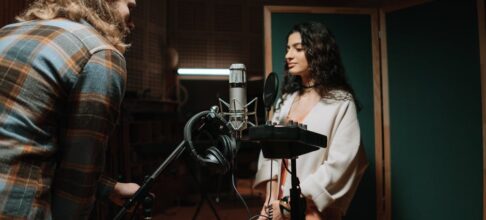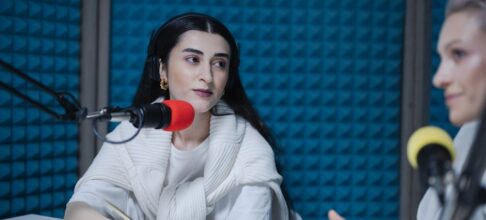
There’s a certain contradiction at the heart of the Estonian voice over scene. On paper, it’s niche — the Estonian language hovers around 1.1 million native speakers, most of them packed into a country smaller than Denmark. Yet, in practice, international brands and media companies keep returning to Tallinn studios for projects that need more than just translation: they want cultural nuance, local humor, and sometimes even the slightly deadpan delivery native to northern Europe.
The demand isn’t always obvious until you see it up close. In late 2022, I visited a compact recording suite on Tartu maantee where engineers were prepping e-learning scripts for an Austrian fintech’s Baltic market launch. The job wasn’t huge — maybe twenty minutes of finished audio — but what stood out was how much time went into casting voices that sounded “unmistakably Estonian” without veering toward parody or over-enunciation. It’s a familiar tension in small-language voice over work: authenticity versus intelligibility for audiences who might know three or four regional dialects themselves.
From Soviet Dubbing to Spotify Playlists: A Brief Timeline
Estonia’s professional voice over industry traces its roots back to the state-run studios of the late Soviet era. Throughout the 1970s and ’80s, Eesti Televisioon (ETV) relied on a handful of trusted talents—sometimes moonlighting radio hosts—to dub everything from Polish cartoons to Russian newsreels for local viewers. For decades after independence in 1991, this model stuck: a tiny ecosystem of voice pros rotating between dubbing children’s programming, public service announcements, and later, video game localization as global studios started treating Estonia as more than a footnote.
A real turning point came in 2017 when both Netflix and Amazon Prime Video quietly added Estonian subtitles (and occasionally dubs) for select titles targeting the Baltic region—a move mirrored by Nordic platforms like Viaplay soon after. With this came new expectations for quality control: suddenly, studios like Eesti Subtiitrite OÜ in Tallinn were fielding inquiries from Los Angeles-based content coordinators who expected delivery standards matching those in Berlin or Warsaw.
The Anatomy of an Estonian VO Production Cycle
In typical workflows at mid-sized Tallinn agencies such as Helifilm Sound & Vision, projects start with script evaluation and casting sessions—often remote since many leading Estonian narrators juggle radio spots and audiobook gigs across multiple cities. For corporate explainer videos commissioned by German SaaS startups (a recurring client profile), turnaround times average five working days per ten minutes of final audio.
A workflow snapshot:
- Script adaptation checks for idioms unsuitable for literal translation (for example, replacing “the ball is in your court” with something less Anglocentric).
- Casting leans heavily on recognizable voices; studio heads estimate that fewer than thirty actors cover nearly all commercial work nationwide.
- Recording sessions emphasize neutral dialect; heavy regional accents are generally avoided unless specifically requested for authenticity—or comedic effect.
- Post-production includes not just sound editing but also compliance reviews if material is destined for public broadcast under ERR guidelines.
Case Study: E-learning Localization with TransferWise (now Wise)
In early 2020, Wise piloted its pan-Baltic internal training modules using Tallinn-based studio Audiomedia OÜ. The brief was deceptively simple: localize onboarding content originally developed in English for new hires across Estonia and Latvia. However, linguistic review flagged several key points—especially around financial terminology unique to post-Soviet economies—and required re-recordings with two different narrators per module (male and female) due to audience feedback about gender inclusivity.
The result? According to Wise's project manager, completion rates among new employees increased by roughly 18% compared to earlier subtitled versions alone—a strong argument within HR circles that investing in native-language audio pays off even on seemingly minor internal comms projects.
Tech Stack Realities: AI Tools vs Human Talent
Since mid-2021 there has been growing adoption of synthetic voice tools among agencies serving cost-sensitive clients—especially startups launching MVP products into Baltic markets without massive budgets. Services like Respeecher (with development roots in Ukraine but European reach) now offer Estonian models trained on broadcast-quality samples. Still, most established production houses view these as adjuncts rather than replacements; "AI can fill gaps," one studio founder told me last summer, "but nothing replaces our top three narrators when it comes to brand campaigns or animated series." Anecdotally, only about 10–15% of non-broadcast VO work gets handled via AI synthesis so far—in part due to current limitations around emotion and intonation nuance specific to the language.
Game Studios and Local Flavor: Lessons from Creative Mobile
It’s impossible to ignore gaming when talking about Estonia’s global-facing industries. Creative Mobile—a mobile games company headquartered in Tallinn—began experimenting with localized character voices back in their Drag Racing franchise circa 2013. When they released Nitro Nation Stories (2016), management noticed that even modest investments in authentic local narration (including distinct Estonian characters voiced by national theater actors) resulted in higher app store engagement rates across domestic users by an estimated 20%. This pattern has led other indie developers clustered around Tallinn’s Ülemiste City tech hub to prioritize VO not just as a checkbox item but as an early-stage asset woven into design sprints alongside UI localization.
Brands Outsourcing Baltic Campaigns: A Regional Perspective
While many European brands rely on pan-Baltic campaigns—with translations into Latvian and Lithuanian bundled alongside Estonian—the smart money increasingly recognizes subtle differences beyond vocabulary alone. For example, Finnish-German electronics retailer Expert ran split-test ads in spring 2023 featuring different taglines voiced by well-known TV personalities from each Baltic state; analytics showed conversion lifts ranging from 8–12% when using locally cast talent instead of generic Euro-English narration dubbed over all three markets equally.
Regulatory Quirks & Compliance Loops
Any business planning large-scale advertising or educational content should be aware that Estonia’s audiovisual regulator enforces strict guidelines regarding children’s programming (under age 12 must use full dubbing rather than partial VO). Some multinational toy brands have learned this lesson the hard way after being forced into costly last-minute session bookings at short-staffed studios during holiday seasons—a situation which led several Stockholm-based ad agencies to form annual retainer agreements with Tallinn partners starting in late 2019 simply as insurance against regulatory hiccups.
Pricing Transparency — Or Lack Thereof?
One persistent pain point is price discovery: while some London-based localization vendors publish rate cards online (€70–€120 per finished minute is common for major EU languages), actual pricing within Estonia is often negotiated case-by-case depending on volume, usage rights (regional TV vs digital-only), talent exclusivity clauses and whether post-production extras like sync-to-picture are required. For context: producing a five-minute branded video with licensed music cues can run anywhere from €450 up toward €1000 if high-profile narrators are involved—a figure confirmed by both Helifilm Sound & Vision and independent producers based out of Pärnu.
Casting Bottlenecks & Talent Pool Limits
Even seasoned players admit there simply aren’t enough full-time Estonian VO professionals to meet spikes driven by campaign seasonality or sudden streaming platform expansions—one reason why several animation projects aimed at preschool audiences have turned to cross-border collaborations with Helsinki studios since mid-2022. An informal survey at last year’s PÖFF Black Nights Film Festival suggested nearly half of dubbed feature work relied on repeat collaborations between five core vocalists known throughout local media circles—a concentration unusual even by small-language standards across Europe.
Quality Assurance — Not Just Lip Service
Unlike some larger markets where QA can be an afterthought tacked onto delivery deadlines, every agency I spoke with stressed obsessive attention paid during pickup sessions (“patching” lines flagged during director review), particularly when scripts involve legal disclaimers or health-related messaging subject to government oversight under Estonia's Health Board rules introduced post-pandemic.
Future Facing: Will AI Breakthroughs Change Everything?
Some Tallinn insiders predict that generative AI—spurred by advances seen globally since OpenAI unveiled GPT-4 based speech solutions—will push cost curves down further within two years; others remain skeptical given ongoing challenges capturing pitch modulation distinctive even within standard Estonian speech registers.
Regardless of which camp prevails long-term, real demand persists among international businesses seeking more than raw translation—what clients actually want are productions where tone feels “as if it were made here.” Whether achieved through veteran narrators doing overtime shifts or next-gen AI models fine-tuned on archival radio drama tapes from Võru County circa 1985 remains very much an open question—but there’s little doubt that this small corner of the world continues punching above its weight class whenever clear communication matters most.