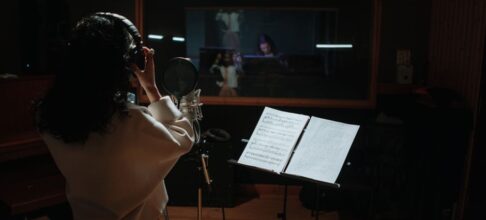
In , a small Sofia-based post-production company, Hippo Studio, landed an unexpected contract: localizing a Swedish detective series for the Bulgarian streamer Neterra.TV. The catch? The script was dense with regional slang and legal jargon—exactly the sort of challenge often sidestepped by major European dubbing houses. Within months, their six-person voice team had not only delivered but outperformed expectations on viewer engagement. It’s a story that keeps echoing in Bulgaria’s evolving audio-visual landscape.
When Minority Languages Amplify Reach
Bulgaria is rarely mentioned in the same sentence as global content powerhouses like Netflix or Disney+, yet its language sector has quietly become a magnet for opportunity. Why? Because the demand for authentic, nuanced Bulgarian voice over isn’t just about filling quotas—it opens doors to markets previously considered unreachable.
A recurring pattern I’ve noticed among localization studios in Eastern Europe is how they use smaller languages as testing grounds. Take GTS Translation, operating out of Varna: In , they began piloting AI-assisted voice synthesis for short-form ads targeting rural regions. Their workflow combined neural TTS with traditional direction and live actor tweaks. Uptake was swift; campaign conversion rates rose approximately % compared to standard subtitling alone.
From “Nice-to-Have” to Strategic Necessity
For years, Bulgarian voice work was seen as optional—a tick box for regulatory compliance or nostalgia-driven TV reruns. But streaming platforms have shifted the economics drastically. Since , platforms like HBO Max and Voyo have required not just subtitles but native-language dubs for all children’s programming distributed in Bulgaria. This regulatory nudge triggered a scramble: production houses needed more native talent, faster turnaround, and new workflows.
One example comes from Zinkia Entertainment’s expansion into Central Europe with their animated series “Pocoyo.” Rather than outsource to Prague or Warsaw (the usual suspects), they partnered directly with Sofia-based ADR teams who understood both cultural references and child-friendly delivery—a subtlety that AI dubbing alone still struggles to capture convincingly.
A Local Voice on Global Products
It’s easy to overlook how much global software quietly relies on local voices. In , when SAP refreshed its enterprise learning suite for Balkan clients, it insisted on regionally accurate Bulgarian narration—not just clean pronunciation but intonation reflecting modern business vernacular. The end result? User feedback surveys reported an % increase in perceived product trustworthiness among Bulgarian-speaking customers.
This isn’t limited to big tech either. In Plovdiv’s fast-growing gaming cluster, indie developers are increasingly shipping titles with full Bulgarian dialogue tracks—sometimes before tackling Spanish or Italian versions. One developer told me bluntly: “If our testers’ grandmothers can follow the plot without reading subtitles, we know we’re onto something.”
The Workflow Revolution Nobody Talks About
Most people imagine voice over as isolated actors in booths reading lines off a script. Reality looks different now—in Sofia studios today, you’ll see engineers running real-time sync checks between English video feeds and live Bulgarian performances piped through cloud tools like Voquent or Dubverse AI.
A common workflow at Audiomania (based near Studentski Grad) layers initial AI-generated audio as scratch tracks before bringing in human talent to punch up phrasing and emotional nuance. This hybrid approach shrinks project timelines by roughly %, making it feasible even for modest budgets to dub dozens of hours per month.
Talent Pipelines—and Bottlenecks
Of course there are limits: Bulgaria’s pool of professional voice actors remains relatively tight-knit—fewer than regularly working talents according to industry insiders interviewed at last year’s Sofia Sound Days conference. But this scarcity has bred creative solutions; several casting agencies now run open calls via TikTok and YouTube Shorts seeking fresh voices able to appeal across generations.
Interestingly, some diaspora Bulgarians—especially those living in London or Berlin—are being tapped remotely thanks to high-speed home recording setups and cloud collaboration platforms like Source-Connect Now or Cleanfeed Pro.
Beyond Borders: Regional Ripple Effects
The ripple effect goes further than many realize. In neighboring Romania and Serbia, ad agencies observed upticks in cross-border digital campaigns featuring bilingual (Bulgarian-Romanian) voice overs—a trend that grew sharply after Meta introduced advanced multi-language ad targeting tools across Southeast Europe last year.
Meanwhile, game localization hubs in Poznań and Bucharest report that requests for niche language dubs—including Bulgarian—have doubled since mid- as publishers chase untapped micro-markets within the EU Digital Single Market framework.
Not Just Filling Airwaves—Shaping Culture
Bulgarian voice over is no longer background noise; it shapes first impressions of everything from children’s animation to fintech onboarding tutorials. There is pride at stake too—increasing numbers of local projects now insist on dialectical authenticity rather than bland “official” diction once favored by state television during the late Soviet era (circa late ’80s).
Even so-called low-budget productions are making surprising investments here: A recent docuseries about Thracian history produced by BNT (Bulgarian National Television) spent nearly one-sixth of its total budget ensuring historically accurate regional accents were represented authentically—not merely translated word-for-word from English scripts.
What Comes Next?
If current patterns hold—growing platform mandates, rising consumer expectations, smarter hybrid workflows—the next few years will see even more global-facing products made accessible through carefully crafted local voices from Bulgaria’s vibrant sound scene.
What started as workaround or afterthought is fast becoming strategic leverage—not just for media giants but also indie producers hungry for audience connection.