Why Perfection Is an Illusion
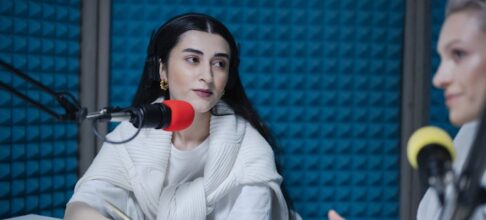
“There are no perfect takes,” says Maryam Ghaffari, senior localization manager at Zaban Studio (with clients across Dubai and Paris). “Every project starts with compromise.” She gestures toward her team’s dual-monitor setup: one screen loops rough cuts of Turkish dramas; another displays Google Sheets crammed with script notes in Farsi script and Latin transliteration.
Two years ago, Zaban handled voice adaptation for Ubisoft’s mobile game launch in Persian markets—a rare case where Western gaming intersected with Iranian talent. The brief? Match the timing of English dialogue down to tenths of a second, even if Persian syntax needed acrobatics. After three weeks and nearly 400 lines recorded by four actors, they barely hit deadlines. "You can't just translate—you have to reimagine humor and urgency within a new cultural frame," Maryam explains.
Who’s Actually Listening?
One might assume this work is only for local broadcast TV or old-school radio dramas. In practice, demand now comes from everywhere: diaspora-focused YouTube channels in Hamburg; e-learning startups out of Toronto; even AR/VR educational content piloted by Australia-based Edutech Labs last year. Their experiment? An immersive Farsi-language tour of Persepolis using dynamic voice over layered with real-time student interaction.
In a typical workflow observed at a boutique studio in Yerevan catering to both Armenian and Iranian clients (yes, cross-border collaboration is common), teams juggle licensing agreements complicated by sanctions and copyright quirks unique to Iran. Projects regularly stretch two months longer than comparable English or German jobs because source files arrive late—or simply incomplete—forcing last-minute script surgery.
The Tools Behind the Curtain: Old Meets New
Despite AI disruption elsewhere, most Farsi projects still lean heavily on human expertise—though not always by choice. "We've tested synthetic voices," says Pedram Sadeghi, operations lead at Viona Creative (a localization agency serving European ad agencies). “But quality drops fast when you need emotional nuance or slang.”
Still, hybrid workflows are emerging. In late 2023, several mid-sized studios in Istanbul adopted AI-assisted timing tools (like SyncDub) to accelerate repetitive alignment tasks before final performance recording begins. Anecdotally, these tools shaved about 15–20% off average production time but required extensive manual correction for idiomatic phrases and culturally sensitive content—a tradeoff that continues to frustrate veteran directors.
Voices Without Faces: Casting Dilemmas Abroad
For global brands launching campaigns into Persian-speaking regions—from Munich-based automotive firms dubbing safety videos for export fleets to Tel Aviv health tech companies localizing medical explainers—the bottleneck often isn’t technology but talent itself.
Persian voice acting lacks formal guilds or union infrastructure seen in France or Japan. Instead, casting frequently runs through informal WhatsApp groups or Telegram channels where directors share demo reels recorded on USB mics from home studios in Mashhad or Vancouver suburbs.
During COVID-19 lockdowns between 2020–2022, remote sessions became standard—even after restrictions eased. One Australian media agency recounted how their main Farsi narrator delivered entire commercials from his garage near Sydney using Source Connect software patched directly into Tehran for live feedback sessions spanning three time zones.
Censorship Shadows Every Session
There are things nobody puts on record but everyone acknowledges: government red lines force abrupt changes mid-project. It could be as minor as rewording terms deemed politically charged—or scrapping whole scripts if they brush against taboo subjects like women’s rights or religious satire.
A revealing example unfolded during a children’s animation series adapted by a well-known Dubai post-production house last spring (they asked not to be named). Midway through season two recording, several scenes featuring environmental protest had their narrative arc softened considerably—at direct request from distribution partners wary of regulatory backlash inside Iran proper.
Budgets Are Tight—but Demand Is Upward Bound
The economic reality? Average per-hour rates for premium Farsi narration hover around $80–120 USD—about one-third what German or French talent command for similar projects according to rate cards shared confidentially by two European localization firms working with Apple TV+ content streams targeting Central Asian viewers since 2021.
But that gap hasn’t stopped growth: industry insiders estimate annual volume of Farsi-dubbed video content has doubled since pre-pandemic years thanks largely to private sector expansion abroad—in particular among tech companies needing onboarding modules localized quickly for remote teams stretching from Istanbul to Kuala Lumpur.
When It Sounds Right…
Ask any director what success means here—they’ll shrug before telling you it’s when no one notices anything odd about the voices at all. Naturalness trumps star power; fidelity beats flashiness every time.
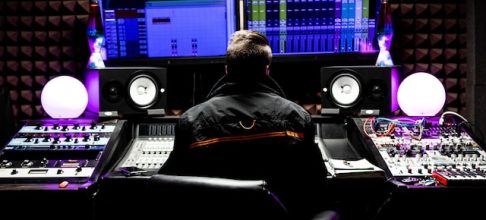
An anecdote lingers from my week shadowing sound engineers at ParsVoice Studio near Frankfurt—a tiny team handling everything from Amazon Prime originals dubbed into Persian, to explainer videos for fintech apps launching across Eurasia.
After hours spent tweaking intonation on a single line (“Are you sure this is your final answer?”), playback finally clicks: emotion matches intent; lips sync almost perfectly despite language differences; nothing jars the ear—not even for a native speaker dialed into nostalgia from thousands of miles away.
In those fleeting moments behind closed doors—with scripts scribbled over so many times they resemble ancient manuscripts—the hidden artisans shaping how stories travel across borders get their due spotlight…if only briefly before the next urgent deadline blinks onto screen.