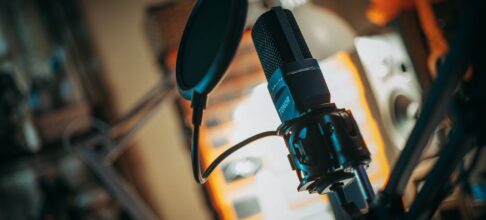
A decade ago, if you walked into the dubbing suites at Studiopro in Tirana on a Friday night, you'd hear more Italian than Albanian. Kids' cartoons, soap operas—sometimes even shampoo commercials—were all being localized by the same handful of linguists and actors. To most outsiders, Albania’s place on the global media map was little more than a curiosity; to insiders, it was an ecosystem built on invisible work.
Fast forward to . While language services have exploded across Central Europe and major Balkan cities like Belgrade or Sofia boast full-fledged localization departments for Netflix and Ubisoft, Albania sits in a strange limbo. There is no shortage of content needing adaptation—streamers are opening up access to Albanian-speaking populations in Kosovo, North Macedonia, and émigré communities in Switzerland and Italy—but there is a critical gap between demand and workflow sophistication.
The Unseen Engineers: Creators vs. Infrastructure
Let’s get honest about what’s missing. Most people think voice over is just about finding someone who sounds right. For creators—YouTubers, indie game studios, or micro-influencers trying to reach Albanians—the reality is far messier.
Take Studio Nëntori in Elbasan as a case study: their team handles everything from translation to direction to post-processing on site because outsourcing simply isn’t feasible. In one recent workflow I observed for an educational app targeting diaspora families in Zurich (app name withheld), the process went like this:
- English scripts sent by Berlin-based developers via Google Docs
- Local adaptation squeezed into three days by two translators moonlighting after day jobs
- Recording done in a repurposed radio booth late at night (to avoid traffic noise)
- Post-production handled with cracked software versions because licensed DAWs were “too expensive for our margins,” as one technician admitted with a sigh
- Final files uploaded via spotty internet to Hamburg within hours of deadline—often after midnight
None of this appears on an invoice or press release.
Dubbing Without A Net: The Freelance Reality
In European studios that regularly handle French or Polish VO for platforms like Disney+ or Steam, you see multi-tiered QA processes and real-time collaboration with brand teams. That culture barely exists around Albanian voice work.
Freelancers—many based in Pristina or Skopje due to stronger infrastructure—report piecemeal gigs and little creative input. “I recorded twelve ads last month for an online retailer launching in Tirana,” says Liridon M., a freelance voice artist who splits his time between Kosovo and Vienna. “They paid me through PayPal because their client didn’t want to deal with bank paperwork.”
There are no agencies specializing solely in Albanian voice over outside of two small shops near Tirana airport—and their biggest clients are Turkish soap operas re-dubbed for regional cable channels.
AI Tools: Hype Meets Hesitation
Elsewhere, AI-driven tools like ElevenLabs or Respeecher are changing how long-tail languages get localized—for instance, Estonian game devs use them routinely now—but adoption is slow among Albanian creators. Not due to lack of interest; rather, technical limitations persist.
In , when a UK-based e-learning company tried using synthetic Albanian voices for onboarding materials aimed at students from Shkodër, they found pronunciation errors so glaring (“q” pronounced as hard "k") that they scrapped the project mid-pilot.
“We wanted scale,” their PM told me later, “but we couldn’t risk sounding ridiculous.” This kind of feedback loop rarely reaches tool developers unless there’s significant commercial pressure—and with Albanian localization comprising less than 0.1% of their user base (by industry estimation), fixes are slow if they come at all.
The Numbers Behind the Curtain (Such As They Are)
Albania has roughly three million speakers worldwide—a blip compared to Turkish or Romanian—but according to data from TransPerfect’s regional managers (collected informally at LocWorld48 conference), requests for full-cycle Albanian VO have grown an estimated % since across streaming platforms and mobile apps serving diaspora audiences.
Yet budgets remain threadbare: typical rates hover around €–€ per finished minute (including recording and editing), well below what German or French VO artists earn for similar jobs. One Estonian agency executive described Albanian as “the market everyone asks about but nobody wants to touch until money materializes.”
Fragmented Talent Pools & Missed Opportunities
Unlike Croatian or Serbian—which benefit from talent pipelines supported by film schools—the pool of trained native VO actors in Albania remains minuscule. Some YouTube creators circumvent this by recruiting family members abroad; others resort to subtitling instead of proper dubbing when timelines choke quality out of the process.
Last year’s viral short film ‘Prapa Dyerve’ (“Behind Closed Doors”) hit 400K views on Facebook thanks partly to its authentic local narration track—a rarity made possible only because director Genc Shkreli insisted on sourcing voices from both Tirana and New York City-based expats.
But such hybrid productions are exceptions rather than rules.
Cultural Nuance Lost—and Sometimes Found Again
What rarely gets discussed is what’s lost when creators settle for half-measures: jokes falling flat due to literal translations; children’s characters speaking with oddly formal diction; product launches where taglines ring hollow because nobody thought through idiomatic nuance.
Then again, sometimes magic sneaks through anyway—in late-night sessions fueled by burek and black coffee—or when old-school radio hosts lend gravitas that no AI model can replicate yet.
As production manager Arta Kume from Studiofon sh.p.k puts it: “Sometimes we’re not just translating words—we’re patching together an identity.”
That identity may still be whispering at the margins… but every year, those whispers get a little louder.