Contradiction is alive and well in Helsinki. On one hand, Finns are famous for their reserved nature and preference for subtitled media—yet the quiet revolution of voice over, especially for newcomers to the Finnish language, has been steadily reshaping habits since at least the mid-2010s. For beginners, this isn’t just a technical or artistic footnote; it’s a subtle but present thread woven into daily routines, affecting everything from entertainment to errands.
Lost in Subtitles? Not Anymore
It’s easy to assume everyone in Finland simply reads subtitles or absorbs English-language content. Yet, step into the modest lobby of Yle Areena’s headquarters (Finland’s public broadcaster) during a typical weekday morning, and you’ll see editors reviewing dubbed clips intended for children’s programming. The reason? Even young learners—and increasingly adult beginners—are relying on localized voice over to build language skills passively while streaming cartoons or drama series.
A shift became especially noticeable after when platforms like Netflix began investing more heavily in Nordic localization, not just with text but with actual Finnish voice tracks. According to industry insiders familiar with audio production pipelines at BTI Studios (now part of Iyuno), the demand for entry-level Finnish narration doubled between and —a ripple effect driven by global streaming platforms realizing that even casual viewers prefer native-language audio when learning.
Grocery Lists and Game Consoles: Unexpected Places Where Voice Over Matters
In Espoo, a small creative agency called ÄäniKuva Studios specializes in producing short-form audio guides—not just for museums but for retailers testing interactive kiosks. Since , they’ve reported an uptick in requests from supermarket chains like S-Market wanting beginner-friendly guidance systems voiced in clear, slow Finnish. The logic is practical: new arrivals to Finland can follow spoken instructions more intuitively than deciphering dense written signage.
Meanwhile, game developers at Remedy Entertainment (the studio behind Alan Wake) have quietly experimented with toggleable “simple Finnish” voice tracks within tutorial modes—a feature first piloted internally in late following feedback from non-native playtesters. These spoken cues help new residents engage more confidently with everyday technology—from consoles to smart TVs—without feeling lost or overwhelmed by unfamiliar phrasing.
When AI Steps In: Tools Versus Tradition
The arrival of AI-driven dubbing tools like Respeecher hasn’t gone unnoticed either. Localization managers at several Helsinki-based mobile app startups describe how synthetic Finnish voices now handle onboarding flows and FAQ audio snippets—speeding up production cycles by an estimated –% compared to traditional studio sessions. But there’s skepticism too; as one producer at Ezy Language put it during a roundtable last autumn: “Automated voices are getting better every month—but they still miss those tiny emotional shifts that encourage a beginner.”
Yet cost pressures are real. In recent contracts reviewed by the Association of Finnish Audiovisual Translators (SKTL), budgets allocated to live-recorded instructional voice overs dropped by nearly % between and early as companies experimented with hybrid approaches: AI handles repetitive sections; human actors deliver nuanced passages where tone matters most.
Learning Through Listening: Micro-Case from Jyväskylä University Library
Consider this: At Jyväskylä University Library, staff noticed that international students were replaying basic informational videos far more often when they included clear-spoken Finnish narration rather than subtitles alone. A mini-study conducted across two semesters showed that library orientation videos with beginner-level voice overs led to % higher engagement among first-year exchange students compared to subtitle-only versions.
A librarian explained it succinctly: “They start mimicking phrases they hear—even if only passively—and it becomes less intimidating each time.” This echoes findings from similar experiments run at Tallinn University libraries, hinting at cross-Baltic patterns where beginners benefit from spoken guidance regardless of age or background.
Not All Dubbing Is Created Equal (And That’s Fine)
There’s an awkward honesty among localization professionals: not all projects are worthy—or capable—of meticulous casting or direction. In smaller towns like Rovaniemi, regional broadcasters sometimes rely on semi-professional talent sourced through Facebook groups or local theater clubs for community radio spots and event announcements aimed at newcomers. It’s imperfect work; uneven pacing abounds and accents sometimes slip through—but the effort lowers real barriers nonetheless.
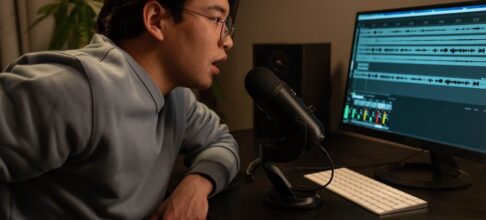
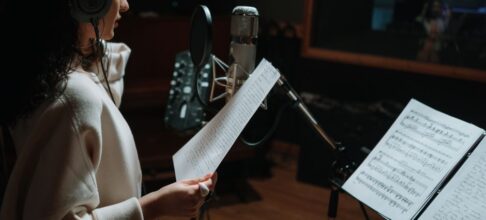
During a visit last winter to Lapin Radio studios, I watched as two university students recorded basic civic announcements (“How do I recycle here?”) using borrowed microphones and free editing software. Their target audience? Foreign seasonal workers who’d arrived weeks before Christmas rushes began.
Why It Feels Different Than Subtitles Ever Did
There is no shortage of studies about language acquisition via listening versus reading—but what these workflows reveal is deeply practical rather than academic. For many beginners trying to navigate life in Finland—whether ordering coffee at Robert’s Coffee or figuring out tram stops in Tampere—the presence of accessible spoken instructions can mean the difference between participating fully and retreating into silence.
The emotional side shouldn’t be underestimated either; several non-Finnish colleagues I spoke with recalled moments where hearing their own hesitant inflection mirrored back via instructional audios made them feel “allowed” to try speaking aloud without embarrassment.
The Unseen Hand: Corporate Training Gets Personalized Voice Overs
Since early , corporate training programs at companies like KONE have incorporated bespoke e-learning modules featuring simplified Finnish narration aimed directly at foreign-born employees new to both the company and country. HR managers report lower drop-off rates—by around %—for online onboarding sequences featuring these tailored audios compared with generic video plus text solutions rolled out pre-pandemic.
Interestingly enough, some modules were produced not by established studios but via freelance collectives using cloud-based editing tools such as Descript or Audacity—a testament both to tightening budgets and growing DIY confidence among multilingual teams across Espoo business parks.
Streaming Wars Fuel More Than Just Entertainment Options
Global giants such as Disney+ entered Nordic markets aggressively post-—with Swedish dubs prioritized initially due to market size but quickly followed by ramped-up Finnish offerings after user analytics flagged high engagement among young families seeking audio accessibility options for kids just starting school in Helsinki suburbs like Kallio.
Locally observed campaigns indicate that animated content featuring beginner-tier voice overs sees repeat viewership rates up to twice those seen on undubbed imports within this demographic—a pattern driving further investment into segmented dubbing workflows specifically targeting linguistic newcomers rather than only native speakers.
Closing Loops With Real Voices
To walk through any major train station—from Pasila in Helsinki down south up toward Oulu—you’ll now hear crisp announcements layered atop scrolling digital signboards: “Seuraava juna lähtee raiteelta kolme.” These aren’t simply legacy holdovers—they’re deliberate choices shaped by years of incremental feedback from travelers still grappling with pronunciation or syntax after moving here for work or study opportunities.
What once seemed niche or unnecessary—a full-fledged system of translated vocal cues—is now integrated into daily routines so seamlessly many Finns barely notice it anymore. But for those navigating their first months amidst snow drifts and vowel clusters alike? Each measured syllable may be nothing short of transformative.