When ‘Neutral’ Isn’t Neutral At All
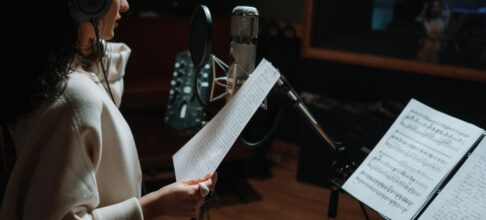
English voice over isn’t just about speaking clearly—it’s about threading cultural needles. Brands like Unilever routinely commission two versions of the same TV ad: one voiced with what agencies call “International English” (the flavorless accent you’ll hear on Emirates Airlines safety videos), another with regionally-tailored intonation—think an RP lilt for audiences in Singapore or a more relatable Australian tone for New Zealand rollouts. The cost difference? Often -% higher per session when specific accent authenticity is required.
Studio Realities: From Soho to Sydney
Walk into any mid-tier audio facility in Warsaw or Berlin and you’ll see how workflows have changed since , when remote recording platforms like Source-Connect became standard even outside Hollywood. During COVID- lockdowns, Polish studio Sound Tropez completed all dialogue for a British indie game using actors recording from bedroom pillow-forts across three continents—file delivery via WeTransfer, direction happening in real time through Zoom.
In real campaigns observed in Australia, agencies rarely book talent directly anymore. Instead, they rely on casting aggregators (Voices.com remains dominant globally but smaller regional players like Voice Realm have strong followings in markets like Melbourne). Here, an average mid-budget e-learning module might use five different voices from four countries—all stitched together by an editor who’s never met any of them face to face.
The AI Layer: Promise Meets Resistance
By late , synthetic voice tools such as Respeecher and ElevenLabs began making waves among localization teams—especially those handling high-volume content like YouTube explainers or mobile app tutorials. But resistance is real: UK-based localization provider VSI Group reports that while up to % of their corporate explainer work now involves AI-generated voices, scripted drama and branded content remain firmly human-dominated due to client demands for nuance—and often out of legal caution around consent rights.
A recent campaign by a French edtech firm targeting Middle Eastern students illustrated this: executives experimented with AI-generated English narration but reverted to live talent after feedback flagged “robotic” delivery as off-putting during pilot tests. In practical terms? Two weeks lost and re-recording costs doubling the initial budget projection—a common pattern according to production managers interviewed at several London agencies.
Direction and Delivery: More Than Just Reading Aloud
Direction styles vary wildly by country and sector. In German advertising studios, sessions are typically hyper-scripted—clients email annotated scripts specifying not only pauses but also emotional cues (e.g., “smile audibly here”). Contrast this with US animation workflows where directors often encourage improvisation; Disney’s Burbank campus has entire reels devoted to alt-takes that never make it past internal review.
A concrete example: For the video game "Cyberpunk " (released ), CD Projekt Red coordinated hundreds of hours of English dialogue across both Warsaw and LA studios. Their workflow involved simultaneous reference video streams so actors could match mouth flaps and emotional beats—a logistical feat requiring three full-time coordinators just for English alone.
Casting Patterns: Whose Voice Gets Heard?
Diversity matters—but it isn’t always prioritized. In localization pipelines at French agency TransPerfect (serving Netflix-style streaming clients since ), requests for non-standard dialects tripled between – as platforms sought authentic representation beyond the stereotypical “BBC narrator” mold. Still, producers admit off-record that tight deadlines mean fallback options tend toward familiar voices with large back catalogs already on file—efficiency trumps novelty more often than public-facing campaigns suggest.
Money Talks—and So Does Turnaround Time
Rates fluctuate dramatically based on territory and media usage. A TV spot recorded at London’s SNK Studios might command £/hour plus buyout fees; meanwhile, freelance rates sourced via online marketplaces can drop below $ per finished minute—especially for web-only content aimed at emerging markets like Indonesia or Nigeria.
Turnaround times are compressing too: where three days used to be industry norm for most projects pre-, current expectations hover closer to same-day delivery—particularly for digital-first brands releasing content continuously across platforms like TikTok or Instagram Stories.
Lessons From the Field (and Booth)
No guide would be honest without admitting every project brings its own curveballs:
- A Berlin e-learning company lost half their German audience retention after trialing a US-accented narrator instead of localizing into British English—the mismatch prompted user complaints within hours of launch.
- In Sydney’s broadcast sector, unionized VO artists still negotiate minimum pay scales annually—a protection rarely found elsewhere but crucial for sustaining professional quality amid growing gig-economy competition.
- And then there are indie podcasters editing takes manually in Audacity at midnight because budgets don’t stretch to pro studios or automated dialogue replacement tech… yet.
English voice over remains both craft and commodity—a patchwork shaped by geography, technology shifts, legal grey areas, and above all by people chasing that elusive perfect read across borders.