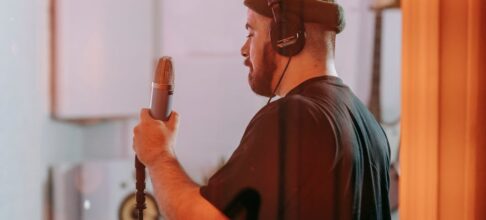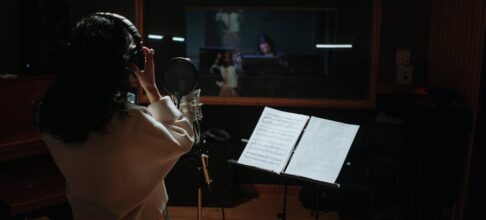
Walk into the audio suite of a mid-tier London localization agency today and you’ll probably see two screens open: one running Pro Tools, the other an AI voice synthesis dashboard. It’s not just a novelty—it's now routine. Those old dusty racks of DAT tapes? They’re relegated to nostalgia corners, even as everyone pretends to miss them.
The expectation that voice over is all about a perfectly modulated human reading into a microphone is being quietly upended by hybrid workflows. Take Side Studios in Warsaw: their Netflix pilot required both classic booth sessions with UK-based actors and AI-generated scratch tracks for late-night script revisions. This isn’t science fiction—it’s how most European post houses have kept up with increasing demand for multiple language versions without ballooning turnaround times.
A New Kind of Casting Call
Remember when casting for English voice over meant wrangling five actors into a studio on the same day? Now, major agencies like LA’s Blurred Edge routinely audition talent via remote portals—sometimes with direction piped in live from Sydney or Berlin. In the last three years, at least half their commercial projects involve talent who never set foot in California.
But this shift is more than pandemic improvisation. Blurred Edge reports that in , only % of their campaign work was handled fully in-house; by mid-, that number had dropped below %. Remote collaboration, fueled by Source Connect and similar platforms, has become default. It’s also pressured US studios to rethink rates and exclusivity agreements as British narrators land American ad gigs without ever leaving Brighton.
The Rise (and Limits) of Synthetic Voices
No one really believes synthetic voices can carry emotional nuance—yet—but they’re quickly becoming indispensable behind the scenes. At Helsinki-based Dramatica Media, around % of English e-learning modules are first built using ElevenLabs or Respeecher for draft narration before final recording. Their project manager, Pekka Laine, estimates this approach cuts production time by –%, making it feasible to deliver hundreds of hours of content per quarter.
Yet when asked if they’d ever ship final products with AI-only narration, his answer comes fast: “Not yet—not unless it’s technical training or internal comms.” For marketing content or anything emotive, real voices still rule.
Nostalgia Collides With Scale
In gaming, things get personal fast. When Larian Studios (Belgium) launched Baldur’s Gate III in , fans praised its sprawling cast and detail-rich performances—the game features over hours of recorded dialogue across multiple languages. Yet insiders admit that temp lines and patch updates increasingly rely on machine-voiced placeholders so writers can hear scenes before committing big money to actor call-ins. That’s not about replacing anyone but about maintaining creative momentum on massive projects where scale would otherwise freeze progress.
It’s common now for Polish RPG developers or Australian indie studios to prototype full quests with synthesized voices sourced from text-to-speech tools tuned specifically for gaming needs (think Replica Studios). Once scripts settle—which sometimes happens months after alpha builds—actors come back for final takes.
How Localization Pipelines Are Morphing (Quietly)
In real-world production cycles observed at Berlin-based Audiobrothers GmbH, integrating synthetic English reads during early localization helps bridge timezone gaps between German translators and American directors. Files bounce back overnight rather than waiting days for scheduling windows—a small tweak resulting in faster sign-offs from stakeholders based thousands of kilometers apart.
This hybridization isn’t advertised but it’s everywhere behind closed doors: tools like Voicemod and Speechify popping up alongside industry staples like Nuendo or Cubase even at smaller shops—increasingly as unofficial workflow hacks rather than headline features.
More Voices—or Just More Noise?
There’s a downside here too: proliferation doesn’t always mean diversity or quality. As production barriers fall away thanks to lower costs and easier access (a single creator in Singapore can now launch an animated series with British-accented leads), some insiders worry about homogenization—too many projects using identical vocal templates generated by off-the-shelf models rather than bespoke performances crafted by skilled actors.
A senior producer at Ireland's Red Hare Audio puts it bluntly: "We’ve reviewed pitches lately where we could tell instantly which AI engine was used—we even recognize some background characters’ 'voices' from totally unrelated mobile games.”
Looking Back—and Forward From Here
Rewind twenty years: In , the BBC was still mailing out demo CDs to clients; global commercials involved weeks of scheduling union talent and physical tape shipments between continents. Fast-forward to : a single Dropbox link suffices—and sometimes an entire project is voiced before lunch using tools that didn’t exist six months ago.
But that doesn’t mean artistry is dead—or even dying—in English voice over work. What emerges instead is tension between efficiency and craft, automation and individuality. The best studios find ways to blend both worlds: automating what they can while doubling down on unique human performances where it matters most.