There’s a recurring skepticism in the studios of Berlin and Paris: Does the dominance of American voice over really change anything fundamental, or is it just another fleeting industry trend? The answer depends on where you stand. But if you’ve sat through a localization session at a mid-sized studio lately, you’ll know that something real—and disruptive—is underway.
A Subtle Yet Relentless Shift
The roots of this transformation reach back to the late 1990s, when Disney’s animated exports started to define what "global English" sounded like. Fast forward to , and American voice talent has become more than just an accent—it’s shorthand for accessibility, mass appeal, and (for better or worse) cultural default.
But beyond the obvious Hollywood juggernaut effect, there are quieter workflows being rewritten. In London-based streaming platform All3Media International's recent adaptation pipeline for crime dramas entering North America, producers now request not only standard American narration but also supporting cast with region-neutral U.S. accents—even when the original series hails from Oslo or Warsaw. The reasoning? U.S.-centric platforms like Hulu and Netflix routinely cite data showing up to % higher engagement among American audiences when regionalisms are minimized.
From Dubbing Suites to Algorithmic Selection
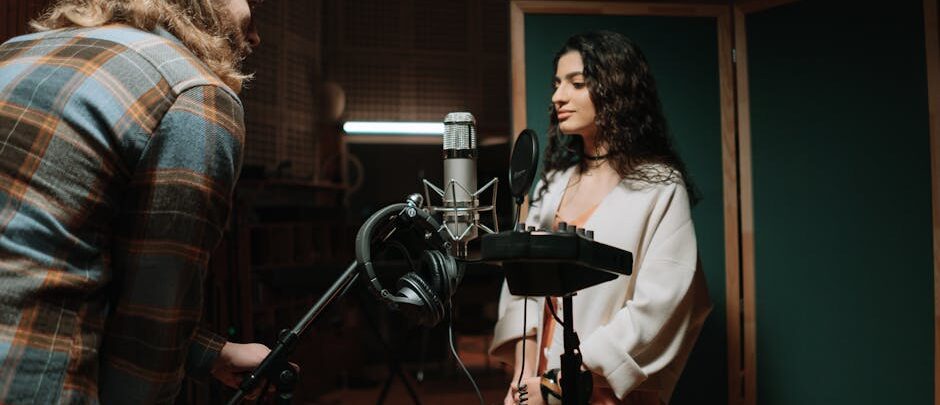
Let’s get granular: At Soundflower Studios in Toronto—one of Canada’s busier media localization houses—the shift is visible in daily scheduling. Where once British-Commonwealth voices were default for kids’ animation dubs headed to Australia or New Zealand, project managers now log twice as many sessions with Los Angeles-based actors patched in via Source-Connect. The workflow isn’t just about accent anymore; it’s about capturing a style: energetic but relatable, polished but informal—a tone shaped by decades of U.S. advertising tropes.
This isn’t just anecdotal drift. In conversations with production coordinators at two Berlin post houses (names withheld by request), several cited a “–% increase” in requests for scripts tailored specifically for American-style delivery since . The AI tools driving casting—like Voquent's automated matching engine—prioritize demo reels tagged "authentic U.S." even for campaigns bound for non-U.S. markets.
Tension Between Authenticity and Accessibility
There are ironies here that don’t escape European creatives. On projects like Ubisoft Montpellier’s latest game releases (think: Assassin’s Creed spin-offs), French directors will push back against client pressure for flat Midwestern-American reads—insisting on occasional regional color or character idiosyncrasies. Yet marketing insists: "We need this trailer to pop on YouTube Shorts in Texas as well as Turin." Compromise follows—a hybrid workflow where initial voice tracks are laid down by Parisian actors imitating U.S. intonation patterns before final passes go to L.A.-based pros.
Case Study: Polish Animation Going West
Consider Studio Orange Tree in Krakow, which recently wrapped dubbing on “Lato w Mieście,” a children’s show poised for global distribution through Amazon Prime Video Kids section. For years their international pipeline used UK-based voices; now, under distributor guidance, they contract Atlanta agency VocalPoint to handle principal roles with native-sounding Americans aged –.
According to Orange Tree's production manager Marta Szczygiel:
"Amazon analytics showed we could double viewing time per episode if kids hear recognizable U.S. voices—even though our story is set in Poland! It was counterintuitive at first.”
The result? A % increase in watch time during pilot testing across North America and Australia compared with previous seasons using British narration.
Where Technology Meets Taste
Studios aren’t making these choices blindly—they’re following data trails left by platforms like Tubi and Pluto TV, which share anonymized audience retention stats with content partners quarterly. A common pattern emerges: shows dubbed or narrated in Standard American English retain Gen Z viewers longer across Europe and Asia-Pacific territories than those using local or neutral-English tracks.
Meanwhile, AI voice cloning has both accelerated the trend and muddied its boundaries further. In Sydney, VibeX Audio has started deploying ElevenLabs’ synthetic voices trained on top-tier SAG-AFTRA talent samples—not only slashing turnaround times but allowing regional agencies with smaller budgets access to what sounds uncannily like premium L.A.-grade performances.
Not Everyone Buys In
Yet resistance persists—especially among legacy broadcasters in Germany and Japan who see cultural flattening as a risk rather than an asset. NHK executives have continued commissioning local narrators even for co-productions distributed globally via Netflix Japan; their internal surveys claim Japanese viewers prefer narration that “feels local," even if it means slightly lower international engagement metrics.
Still, the domino effect is hard to ignore:
- By mid-, nearly half of all new video game trailers released globally featured either American-accented VO or hybridized versions blending subtle regional markers into an essentially U.S.-inflected soundscape.
- Major ad agencies—from Ogilvy New York down to boutique shops in Melbourne—now keep rosters weighted toward bilingual Americans able to toggle effortlessly between Standard U.S., Hispanic-inflected English, and neutral global tones depending on campaign needs.
- Even e-learning vendors serving corporate clients across Europe have shifted onboarding module VO contracts from London shops to Dallas-based talent pools within the last year (citing clearer comprehension scores among multinational staff).
Looking Ahead—Or Just Further In?
Is this permanent transformation or pendulum swing? The jury remains out among old-school creative directors who grew up dubbing anime into Queen’s English at Toei Animation Paris back in —but few deny that budgets follow both clicks and familiarity these days.
What seems certain: whether you’re scripting explainer videos for Estonian startups or prepping cinematic trailers at Ubisoft Montreal,
the question isn’t just “Which language?”
but increasingly,
“Which version of America do we want our audience to hear?”