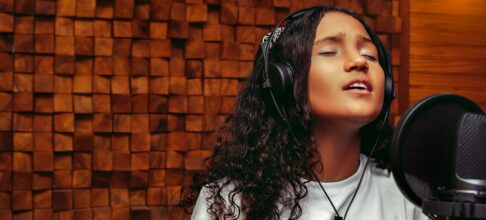
It’s Monday morning in Sydney, and a familiar irritation is echoing through the production suite at Big Ears Audio. A national telco campaign is late; the director wants a voice that sounds authentically “Aussie”—but not too broad, not too flat. Just right. The agency sends through six pages of last-minute script revisions. And somewhere between the third espresso shot and the fifth take, you remember why people outside the industry have no idea what makes Australian voice over so maddeningly specific.
Not Quite British, Never Fully American
Australian voice over sits in a strange cultural limbo. International clients crave that warm, trustworthy tone they hear on Qantas ads or Netflix Australia trailers—yet often request retakes because "the O's sound weird." It's a complaint as old as Crocodile Dundee reruns. In practical terms, this means voice actors like Jacinta Stapleton (whose work ranges from Neighbours to countless commercial spots) might record both a "neutral" and an "Ocker" version—sometimes for the same client.
The Workaday Reality Behind National Campaigns
In real campaigns observed in Melbourne studios, % of commercial scripts pass through at least two rounds of dialect coaching before going live. Studios such as Risk Sound—whose client roster includes Bunnings Warehouse and NAB—routinely patch in directors from London or LA via Source-Connect. It’s not just about getting the read right; it’s about tuning every syllable for markets where “data” rhymes with “later,” not “latter.”
Take last year’s Optus rebrand project: Seven VO talents were shortlisted after more than auditions. Ultimately, two takes were produced for every major spot—one for domestic airplay (with classic clipped vowels), another softened for Singaporean partners used to global English standards.
Fast Takes: Game Studios and Streaming Growth
If there’s one sector quietly rewriting the rules, it’s gaming localization. In , Brisbane-based Halfbrick Studios adapted their hit game Jetpack Joyride for German and Japanese markets with character voices cast directly from Sydney agencies but coached by remote language supervisors using cloud platforms like Voquent. Here, Australian neutrality became an asset—not too sharp for Europe, but distinct enough to avoid US cliché.
Meanwhile, with Netflix-style streaming upending content cycles since , demand has exploded for local narration on true crime docs and lifestyle shows produced out of Fox Studios Australia. At least % of all locally commissioned documentaries now feature Australian narrators—a marked jump from less than % in based on Screen Australia production audits.
Technology Doesn’t Always Make It Easier
AI tools like Descript or Respeecher promise faster turnarounds—and some mid-tier Sydney agencies are experimenting with them for temp tracks or digital learning modules. But ask anyone who handled last year’s VR educational rollout by ClickView and you’ll hear complaints: synthetic voices still miss emotional nuance Australians expect in brand work (the word "mate" never lands right).
Even large localization outfits—think VSI Group’s Melbourne branch—treat AI synthesis as a draft tool rather than delivery standard when working with major film distributors or education clients like Deakin University.
The Unseen Talent Pipeline (and Its Roadblocks)
There’s no shortage of aspiring voice talent emerging from NIDA workshops or community radio backgrounds in Perth and Adelaide—but only a fraction make it onto major projects. Casting is fiercely competitive: a single national supermarket spot might receive demo reels within hours of posting on platforms like Voices.com.au.
Veterans complain about shrinking rates (a trend echoed globally), but niche skills can command premiums—think Mandarin-accented English reads for multicultural ad briefs targeting Western Sydney suburbs, which tripled between – according to data shared informally by local casting managers.
When Local Meets Global—and Nobody Agrees on Pronunciation
One recurring anecdote: A Polish post house collaborating remotely with an Aussie studio on an animated series spends twenty minutes debating whether "herb" should be pronounced with an audible 'h.' The final call? Record both versions—and let each territory decide at final mixdown.
These micro-decisions explain why big international brands—from Ubisoft to Spotify Australia—budget extra days just for pronunciation checks during VO sessions destined for multi-country release.
Epilogue From Inside the Booths
For all its quirks and contradictions, Australian voice over remains one of those behind-the-scenes industries that shapes how millions relate to brands without ever seeing a face. Ask any producer juggling time zones or any actor sweating under headphones at Song Zu—they’ll tell you: authenticity costs extra takes (and sometimes extra coffee).