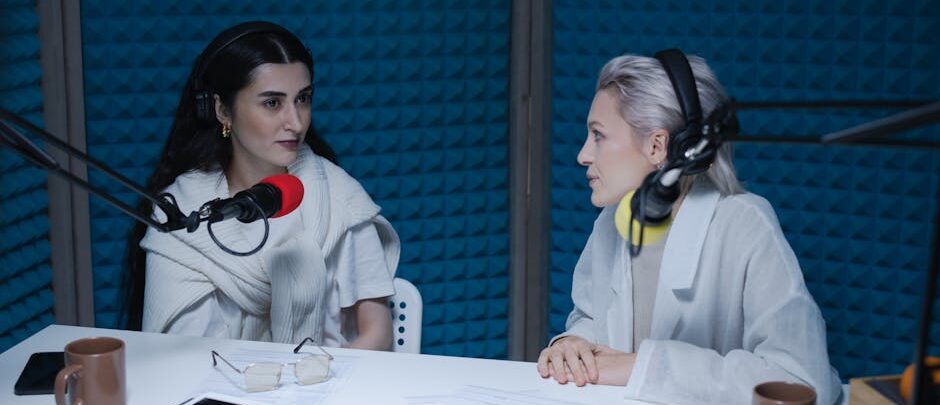
If you want to know whether tech is truly shaking up the Arabic voice over industry, visit a mid-tier production house in Dubai at 8 p.m. on a Thursday. Half their sound booths are booked for overnight ADR—automated dialogue replacement—for Turkish dramas dubbed into Syrian dialect. The rest? A scramble of last-minute e-learning modules for an Egyptian start-up with a US-based client. Not a single script is printed out.
The Numbers Behind the Studio Glass
By late , regional streaming platforms like Shahid and OSN+ were reporting that nearly % of their original content required at least partial voice localization. That’s not just for GCC audiences either. In Morocco, local agencies have started handling North African dialect adaptation for pan-Arab ad campaigns—a workflow that barely existed five years ago.
But this isn’t about exponential growth or glossy press releases. It’s more about messy hybrid workflows and shifting expectations—a reality anyone who’s sat through a Friday night QC session in Cairo knows well.
Case Study: When Netflix Knocked on Beirut’s Door
The turning point? Ask anyone in the Lebanese dubbing circuit, and they’ll mention —the year Netflix invested heavily in Arabic localization for its Originals slate. Far from outsourcing everything to major global vendors, Netflix worked directly with studios like MENA Dubbing House (based in Beirut), pushing them to standardize scripts and embrace digital asset management tools.
This meant cloud-based review sessions, shared pronunciation guides updated live during recording, and tighter version control between Gulf Arabic and Levantine tracks. One producer recalls having six different cuts of a single episode circulating—each tailored for a specific market nuance.
A New Script for Creatives—and AI?
Of course, there’s buzz about AI-generated voices—especially since Descript launched its Arabic neural models last year. But here’s what isn’t being said loudly enough: most commercial campaigns still demand real human actors (and directors) who can navigate idiomatic subtleties that digital clones haven’t quite nailed yet.
Take Dubai-based agency Kharabeesh: they’re known regionally for animated shorts with punchy Emirati slang. Their recent Ramadan campaign used synthetic voice as scratch-track only; final spots reverted to human talent after clients complained about tone inconsistencies during pilot testing (one executive described it as “soullessly neutral”).
Inside the Regional Patchwork: Saudi vs Egypt vs Morocco
There’s no one-size-fits-all workflow across the Arab world—a fact any project manager will lament after juggling input files from Riyadh, Alexandria, and Casablanca on the same project.
In Saudi Arabia, cultural ministries now require all public-facing government videos to be localized into Najdi or Hijazi variants—not just Modern Standard Arabic (MSA). Meanwhile, Egyptian production houses are fielding requests from both multinational brands (who want classic Cairene delivery) and YouTube creators seeking cost-effective regional flavor.
In practice? Studios often maintain parallel rosters of voice artists specialized by dialect cluster. Some even keep dedicated WhatsApp groups where directors share reference clips or debate phrasing minutiae late into the night—because nothing slows down a deadline like arguing whether "batal" should sound more Bedouin or urban in context.
Tech Stack Realities: Cloud Meets Chaos
While European language markets shifted en masse to remote session management during COVID- lockdowns (think Berlin-based audio teams logging into Source Connect daily), many Middle Eastern outfits had already built patchwork solutions using Google Drive folders and Telegram bots—even before global platforms standardized remote review tools post-.
Now? Hybrid setups dominate: cloud-based QA checklists meet old-school local studio sign-offs. In Amman, you’ll find junior engineers toggling between Pro Tools sessions and Zoom calls with LA producers—sometimes within the same hour—because client feedback loops rarely respect time zones or holidays.
Historical Footnote: The Satellite Era Echoes On
It would be foolish to ignore how much legacy infrastructure shapes today’s workflow quirks. Many veteran engineers cut their teeth dubbing Mexican telenovelas into MSA back when ART was king of satellite TV circa early 2000s Jeddah. Those habits—batch processing episodes on tight turnaround cycles; relying on trusted script adaptors rather than raw translation—still permeate modern pipelines even as cloud collaboration creeps in.
What Actually Moves Audiences?
Here’s an odd truth noticed by several campaign leads at North Africa-focused media agencies: Gen Z viewers don’t automatically prefer MSA—or even their own country’s dialect—when it comes to entertainment content. Short-form comedy shorts produced by Paris-based Studio Bagel Local have seen higher engagement rates among Tunisian teens when Moroccan Darija is used instead of standard forms—a finding that surprised both brand managers and old-guard linguists alike.
So while big platforms chase scale via automation, it turns out micro-targeted dialectal authenticity moves audience metrics far more reliably than technocratic uniformity ever could.
The Only Constant Is Improvisation (and Late Nights)
Perhaps that’s why so many seasoned producers roll their eyes when outsiders tout disruptive change every quarter. The real story? Most Arabic voice over shops now operate as improvisational hybrids—a tangle of patched-together tech stacks, overlapping dialect demands, old-school talent pools, new-school process docs, all feeding into aggressive OTT release calendars that run year-round without pause.
And if you stick around any studio long enough past midnight—in Beirut or Casablanca—you’ll hear the same refrain over takeout coffee: "We'll fix it in post." Sometimes that means another round of AI model training; more often it simply means bringing in someone who knows exactly how “habibi” should land in G-rated versus PG- content.