The first time I visited São Paulo’s Vila Madalena district in , an audio engineer at a mid-sized studio told me bluntly: “We used to do six or seven soap opera dubs a month. Now we’re lucky if we get two.”
That was pre-pandemic. Fast-forward to , and the Brazilian Portuguese voice over scene has mutated again—this time in ways that no one saw coming. There’s tension on every side: surging global content demand clashes with AI-fueled anxiety; traditional studios fight for contracts against nimble startups deploying synthetic voices; and Amazon Prime is suddenly as likely as Globo TV to dictate next week’s casting sessions.
Netflix in Rio: When Streaming Changed the Game
Brazilian Portuguese voice work was once a sleepy niche reserved for telenovela ADR and old-school radio spots. But the streaming giants crashed through the door hard. By late , when Netflix announced its Latin American expansion included full-scale dubbing into Brazilian Portuguese, local audio houses scrambled to staff up. Suddenly, there were rush jobs for series like “Stranger Things,” and actors who’d once specialized in São Paulo theater found themselves spending weekends in soundproof booths reading lines about Demogorgons.
Today? Most major platforms—Disney+, HBO Max, even Apple TV+—insist on simultaneous local-language launches. According to BKS Studios (still one of São Paulo’s go-to names), their streaming workload grew by roughly % between early and late . But nobody believes those numbers come without pressure. Turnaround times have shrunk from weeks to days.
Synthetic Voices: Disruption at the Doorstep
You can’t walk into Audio Corp or Dubrasil without hearing nervous jokes about AI taking their jobs. In practice, it’s not just talk—the last two years have seen real pilot projects using synthetic Brazilian voices for everything from e-learning modules to explainer videos.
Take Vozy, a Colombian-founded AI voice tech firm now operating across Latin America. Their recent partnership with an e-commerce group based in Curitiba had them generate thousands of hours of product descriptions—in flawless Carioca accent—with only minimal human correction needed on emotional tone.
Traditionalists bristle at these workflows (“It always sounds flat!” says Marcia Silveira, who’s voiced dozens of Disney characters since the ‘90s). Yet some ad agencies quietly admit they’re saving close to % per campaign by tapping AI voice libraries instead of hiring talent for every minor spot.
Beyond Dubbing: Gaming Breathes New Life Into VO Talent
While linear TV work has plateaued or declined since the mid-2010s (Globo reportedly cut its dedicated dub department by nearly half after ), interactive media is a rare growth pocket.
Wildlife Studios—a gaming juggernaut headquartered in São Paulo—now records most character dialogue locally rather than shipping it out to North America or Portugal (a cost-saving move that also appeases Brazil’s fiercely proud gamers). The scale is impressive: one mobile RPG title last year involved more than fifty distinct Brazilian voice actors across six months of production cycles.
Other players follow suit. A typical workflow at localization outfit Altagram Brasil involves passing scripts through several layers: translation/adaptation (with all those infamous regionalisms), then recording sessions split between remote booths from Porto Alegre up to Recife—plus an additional QC round specifically to catch “paulistanês” sneaking into supposedly neutral reads.
Remote Sessions Are No Longer Optional… but Not Always Pretty
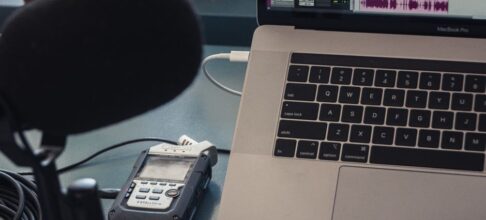
Covid- forced nearly every São Paulo- or Rio-based studio online almost overnight in March . That scramble for home setups lingered long past lockdowns—and never fully went away.
In practice? Some agencies love the flexibility; others complain bitterly about inconsistent audio quality and lost studio camaraderie.
A Belo Horizonte-based commercial agency I spoke with last December outlined their new standard: "At least half our copywriters record temp tracks from home now—using whatever mics they have handy." Senior engineers still insist final delivery gets done on Neumann gear back downtown—or risk losing out on picky multinationals like Coca-Cola Brazil (which demands ultra-clean stems).
The Quieter Revolution: Accessibility Is Forcing Change Too
There’s another undercurrent few outside industry circles notice—the push toward accessibility-driven localization.
Netflix Brasil now mandates descriptive audio tracks for all original programming as of Q2 . This means more work—but also stricter standards and audits on clarity and pacing (I sat through a review session last fall where Netflix's QC team rejected three episodes in a row because "background foley was drowning out key narration").
What used to be an afterthought is now central pipeline work—and smaller studios are scrambling either to partner up or risk getting left behind entirely.
Rates Under Pressure: More Work...for Less?
Ask any veteran—rates haven’t kept pace with volume increases. Since mid-, there's been widespread talk among unionized voice talent that average per-minute compensation dropped by around –%. Agencies counter that budget-conscious international clients simply won’t pay old-school rates when automated tools exist—or when Argentinean or Portuguese studios bid lower thanks to currency swings.
One Rio-based freelancer described surviving off “three different types of gig economy apps” between high-profile campaigns—a reality unthinkable just five years ago when steady network contracts were common.
Where does this leave new talent? Many crowdsource their demo reels on Instagram or TikTok hoping for viral discovery—a far cry from old workshop audition circuits at Estúdio Som de Vera Cruz back in the early 2000s.