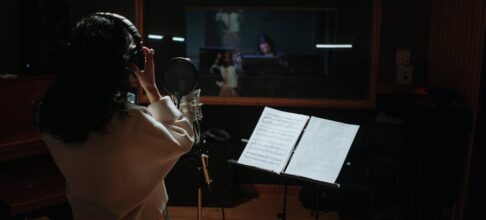
The first time I sat in a Berlin studio, watching a seasoned German actor revoice an American detective for a prime-time import, something was off. Not with the performance—the delivery was sharp, and the lip-sync passable—but with how invisible the entire process remained. In Germany’s sprawling media landscape, voice over is everywhere—film, games, e-learning. Yet almost nobody outside production ever talks about what really goes on behind those padded doors.
Dubbing Isn’t Just Dubbing: Layers Beneath the Surface
Ask anyone in Munich or Hamburg working at localization outfits like VSI or SDI Media and they’ll tell you: “Synchronisation” is its own beast. For decades, German-speaking audiences have expected not just translation but cultural adaptation—jokes refitted, tone recalibrated, sometimes entire storylines tweaked to land right. In fact, by the late 1990s, Germany had established itself as Europe’s most rigorous dubbing market after France and Italy.
But dubbing isn’t synonymous with voice over. In advertising circles—think Frankfurt-based agency Jung von Matt—voice over often means narration laid atop visuals for commercials or corporate explainer reels. Unlike full-cast dubs seen in Netflix originals (where synchronized lips rule), these VO sessions are more about conveying authority and trust without distracting from original faces.
There’s a hierarchy here few outsiders appreciate: top-tier film dubbers command near-celebrity status (David Nathan voicing Johnny Depp remains iconic), while bread-and-butter VO artists chase steady gigs narrating warehouse training videos for mid-sized logistics firms out of Cologne.
Workflow Realities: From Casting to Final Mix
Let’s break down what actually happens inside a typical German voice over workflow:
A common misconception? That AI is replacing all human work here already. Yes, synthetic voices made their way into e-learning modules by (I’ve heard at least two major insurance providers use them for internal LMS content), but ad agencies and game studios still prefer humans for nuance—and because legal guidelines require disclosure if an artificial voice is used on-air.
Case Study: Gaming Localization and Player Backlash
Remember Blizzard Entertainment’s launch of "World of Warcraft Classic" across Europe? Their localization pipeline ran through Synthesis Studios in Hamburg—a team that handled both dialogue dubs and flavor text voice overs for multiple regions simultaneously.
What did this look like?
- Ten actors per language cycling through + hours of script each,
- Tight deadlines tied to simultaneous global release dates,
- Direct remote feedback from US-based creative directors via Zoom,
- Patch updates requiring last-minute pickups after community backlash (“That paladin line sounded too soft!” became a trending complaint on German forums).
- A Leipzig edtech startup swapped half its onboarding modules to AI-generated speech in early ; complaints about robotic tone led them back toward hybrid workflows (AI drafts edited by live actors).
- In commercial radio spots produced in Düsseldorf last year, attempts at blending neural TTS with real reads resulted in jarring transitions that listeners noticed immediately; subsequent campaigns reverted fully to live VO talent despite higher costs.
The result? An uptick in demand for regional authenticity—not just Hochdeutsch (standard German) but regionally inflected deliveries to match player expectations shaped by years of fan mods.
E-Learning: Speed vs Soul in Corporate Training Videos
If you walk into an office park in Stuttgart today, odds are high someone is recording e-learning content there right now—for Siemens engineering modules or Mercedes-Benz onboarding packs.
Since around , turnaround expectations shrank dramatically: clients want next-day delivery for multi-hour scripts covering compliance or safety protocols. Studios combat this crunch using pre-approved rosters of voices able to switch from medical jargon to motivational platitudes on command.
According to industry insiders at Tonstudio Tessmar (based near Bremen), over % of their annual revenue now comes from such repeat e-learning contracts—a segment barely visible compared to flashy movie dubs but quietly growing by double digits since mid-2010s digitization waves hit Germany’s Mittelstand companies.
When Automation Fails: The Limits of Synthetic Voices
There’s pressure everywhere to automate—in part due to cost-cutting after COVID- bit into entertainment budgets across Europe. But local producers have learned hard lessons about where synthetic voices fall short:
Legal uncertainty lingers as well: EU broadcasting rules still require clear marking if TTS systems are used—a regulatory friction point slowing full adoption far beyond pilot projects.
Local Flavor vs Global Uniformity: A Cultural Tug-of-War
A veteran director at Arena Synchron GmbH once told me that “German viewers expect synchronicity—not just technically but emotionally.” This partly explains why even globally-streamed platforms like Disney+ maintain dedicated Berlin teams handling all localizations instead of outsourcing everything abroad as some US streamers tried circa – (with mixed results).
In practice? You end up with parallel processes:
young TikTok creators commissioning quick-and-dirty VOs using Fiverr freelancers;
established broadcasters requiring ensemble casts auditioned weeks ahead—and demanding union rates throughout production cycles stretching months instead of days.
It’s messy but deeply embedded—a tension between speed/cost savings versus cultural fidelity that shows no signs of resolution soon.
Numbers Behind the Curtain
While hard data on spending stays elusive thanks to NDAs everywhere, localization suppliers estimate that German-language adaptation typically accounts for between –% of total European audiovisual translation budgets—trailing only Spanish and French according to industry trackers polled during Munich Film Week .
For AAA games released globally (think Ubisoft titles localized via Side UK but voiced locally in Frankfurt-area booths), German tracks routinely rank among top-three most requested dubs after English and French—a scale reflected not just by raw audience size but by how often fans push back against low-effort translations online.