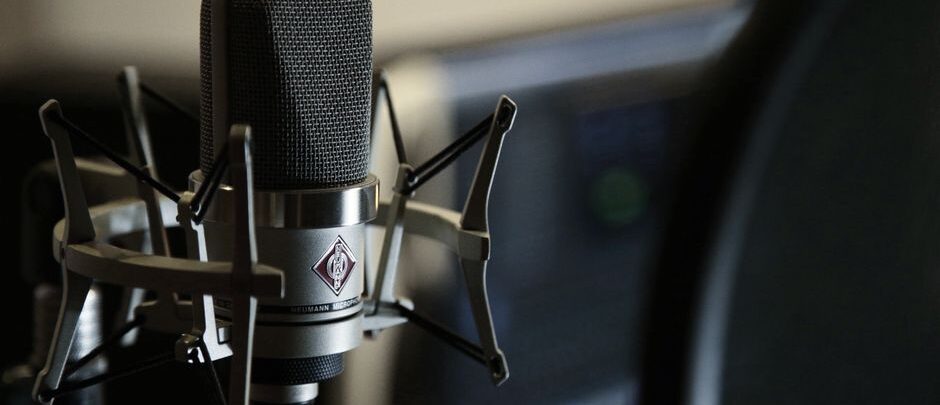
It’s easy to romanticize the Scottish voice—warm, lyrical, a little rough at the edges. But walk into any Glasgow post-production house in and you’ll find something less poetic: a producer toggling between five accents for the same advert, debating with an AI tool over whether “loch” should sound like it does in Edinburgh or Inverness.
This isn’t about tartan-wrapped nostalgia anymore. The Scottish voice over world is mutating, sometimes awkwardly, sometimes brilliantly. If you think it’s just whisky ads and VisitScotland promos, you’re missing at least half the story.
#### A Decade Ago: Closed Circles and Tight Accents
Back in the early 2010s, if you wanted a Scottish voice on your project, your options were limited to a handful of well-known actors (often represented by London agencies) or local talent pulled from shortlists at studios like Savalas in Glasgow. Everything was analog—direction happened face-to-face; most work was local or UK-wide, with rare exceptions breaking into international campaigns.
BBC Scotland largely set the tone. One director who worked on BBC Alba’s Gaelic-language content in recalls struggling to convince executives that even within Scotland there were vital dialect distinctions. "Edinburgh posh" wasn’t interchangeable with “Highlands rural,” but outside casting agents often didn’t care.
#### Streaming Platforms: The Catalyst No One Saw Coming
Then Netflix arrived properly in Scotland around —first through subtitling deals for British crime dramas, then commissioning original content shot on location from companies like Synchronicity Films. Suddenly American producers wanted "authentic Scottish sound." Not just one flavor either—Aberdonian here, Glaswegian there.
In practice? Studios like Noisemaker (based out of Leith) began fielding requests for everything from Gaelic children’s programming to gritty docu-series narration. A senior audio engineer at Noisemaker says their Scottish voice over roster grew by almost % between late and as streaming demand rose for regional authenticity.
#### Video Games: From Token Dialects to Core Characters
If streaming platforms nudged open the door for diversity in accents, gaming blew it off its hinges. Rockstar North—a stone’s throw from Waverley Station—has long peppered its titles with distinctively Scottish characters (think of Dan Houser's work on GTA V), but lately indie outfits across Dundee and Edinburgh are getting bolder.
Take Ruffian Games during their Crackdown days—the team would record multiple accent passes for NPCs not because they had to but because players expected more than token “Scottish thug #3.” By the mid-2020s, Larian Studios’ Baldur’s Gate III localization passed through Edinburgh-based Post Electric Studio en route to global release. Their directive: avoid Hollywood clichés; go authentic or don’t bother.
#### Enter AI—and the Risk of Losing Nuance
Now comes a twist nobody quite predicted: text-to-speech engines trained on thousands of hours of regional voices. Amazon Polly added several Scottish-accented options in its neural TTS catalog last year; ElevenLabs quietly licensed samples from notable Glaswegian performers for synthetic speech packs aimed at e-learning and accessibility markets.
On paper this means nearly anyone can conjure up a passable Highland lilt at scale—ideal for audiobooks or explainer videos where cost trumps nuance. But ask any old-hand producer at Savalas or Demus Productions about these new tools and you’ll get wary optimism edged with concern.
“They’re great for quick drafts," admits one dubbing coordinator who handled localizations for Ubisoft Reflections’ recent projects—but adds that actual players spot robotic intonations immediately when dialogue matters emotionally: "The human ear knows when it’s fake passion."
#### Case Study: Whisky Brands Betting on Both Worlds
Consider Glenmorangie’s latest campaign—a cross-channel push spanning YouTube shorts, Spotify podcast bumpers, and even VR tasting experiences rolled out across Europe last autumn. Initially they tested an AI-generated female narrator tuned to Borders English; split-testing showed UK audiences preferred her over generic RP English by about %, yet when exported to Germany and France, focus groups found the performance oddly sterile compared to live-read alternatives recorded at Black Cart Studios near Paisley.
In response? Glenmorangie adopted a hybrid workflow now common among drinks brands in Scotland: starting with synthetic reads for rapid market testing before investing in full studio sessions with experienced Scottish talent once scripts are finalized.
#### The Localization Conundrum: Inside Berlin's Dubbing Scene
Over in Berlin—a European hub for media localization since Netflix planted its flag there—a steady stream of Scottish-accented dubs has become routine fare since . German post houses like VSI Berlin regularly cast native Scots living abroad via remote ISDN links or Source Connect sessions instead of relying solely on expats faking it after a Berlitz crash course.
A project manager at VSI reports that roughly one out of every ten major series requiring UK English variants will request “recognizably regional” voices—including Scots—for character distinction or atmosphere building (especially period pieces and fantasy).
Ironically though, this trend is also driving up rates paid to genuine Scottish VOs residing outside Scotland; where once only London-based actors commanded premium fees, now freelancers logging into sessions from Stirling or even Skye can negotiate higher day rates due partly to international demand outstripping local supply.
#### E-Learning Explosion—and Why Accent Still Matters Online
One unexpected growth sector? E-learning modules commissioned by Scandinavian edtech companies such as Oslo-based Kahoot! Labs working through UK studios like Voiceovers.co.uk. When Kahoot! updated their science modules last year specifically targeting English learners aged under across Norway and Denmark, pilot groups responded more favorably (+% completion rate) when lessons were voiced by young female narrators using contemporary Glaswegian tones rather than standard BBC English or American Midwestern accents.
This effect isn’t isolated—in real campaigns observed across Benelux countries since late (notably Dutch edutainment apps), requests have risen sharply for “friendly but regionally specific” UK voices led by Scottish and Northern Irish dialects rather than classic Received Pronunciation reads previously favored by developers pre-pandemic.
#### What Talent Agencies Are Learning (Sometimes The Hard Way)
Talent representation has had no choice but to adapt rapidly—or lose ground entirely. Denholm Associates out of Edinburgh used to pitch their roster mostly domestically; today their website features downloadable reels tagged not just “Scottish Male/Female” but broken down further (“East Coast/West Coast/Urban Youth/LGBTQ+”).
Why so granular? Because clients—from Polish mobile game publishers hunting quirky sidekick characters to Aussie fintech startups seeking trustworthy yet unconventional guides—now expect not only accent accuracy but demographic nuance baked into every read submission.
iSpot Voices, another specialist agency operating remotely since lockdowns began in early 2020s, has seen inbound requests mentioning “Scottish charm” increase approximately threefold during busy quarters especially around St Andrews Day promotions aimed at US markets hungry for novelty without cliché-laden brogue overloads.
#### Technology Is Not Enough—But It Does Rewrite Rules Fast
in typical production workflows inside London’s Soho district audio suites—not traditionally strongholds for regional casting—you’ll now see session directors routinely dial-in dialect coaches via Zoom from Aberdeen while running Pro Tools stems through plugin chains designed specifically to retain plosive clarity unique to certain Scots vowels (a necessity when prepping mixes destined both for BBC iPlayer streams and TikTok ad cutdowns).
yet technology alone can't resolve everything—the most innovative studios still struggle with context-sensitive script adaptation:
in one high-profile case last year involving a fantasy RPG produced jointly between Polish publisher CD Projekt RED and a UK localization team based near Stirling,
at least four rounds of script rewrites were required after initial voice sessions failed cultural authenticity checks during playtesting by focus groups drawn from Glasgow secondary schools—all because two key non-player characters sounded too generically "British Isles" rather than recognizably modern Central Belt teens.
even big-budget productions are learning this lesson painfully slowly:
airbnb’s recent marketing initiative targeting Gen Z travelers included animated explainers narrated by AI-generated “Scottish-sounding” voices—but social feedback forced them back into live re-recordings following criticism that lines felt stilted compared to previous campaigns featuring real West End theatre actors known locally as much for their activism as their diction skills.
digital reach may be borderless now—but audience trust isn’t won so cheaply after all.