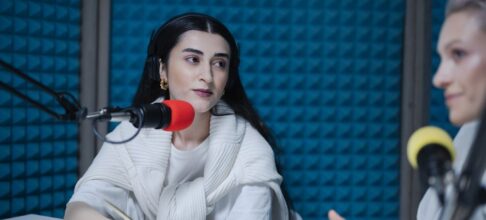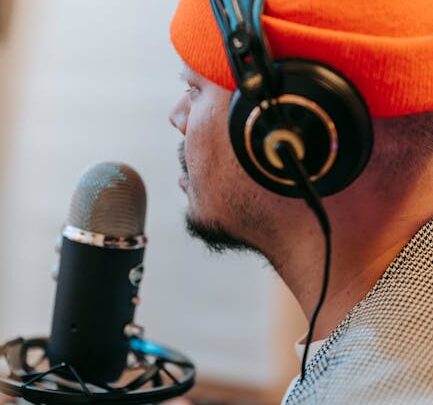
Nobody ever mentions the awkward pause in a Nairobi studio when the international client asks for a "neutral" African accent. The engineers glance at each other, quietly aware that such a thing doesn't really exist—not in any authentic way. But this is where the global voice over market often begins: with an impossible brief and a dozen assumptions about what it means to be "Afrikan" on mic.
The Marketplace Illusion
In , Netflix launched its first wave of Nollywood content dubs. On paper, it was a milestone for African creative voices. Behind the scenes? A scramble across Lagos and Johannesburg studios to find talent who could convincingly switch between Yoruba-flavored English, South African township slang, and something that vaguely passed for East African neutral. “We got scripts with notes like 'pan-African warmth'—nobody could quite define what that meant,” laughs Njeri Wanjiru, who manages bookings at Soundville Studios in Nairobi.
What’s rarely discussed outside these rooms is how much is lost (or smoothed over) when Afrikan voice over gets processed for Western ears. International platforms want variety but also expect clarity above all else—often leading to sanitized accents or, worse, generic pan-continental reads that sound like no real person anywhere from Accra to Addis Ababa.
Who Gets Heard?
A running joke among casting agents in Cape Town: "If you can do three West African accents and one vaguely British one, you’ll never run out of work." South African-based localization company EarCandy Media says nearly % of their commercial VO projects last year requested either Nigerian Pidgin or South African English—but almost always wanted them "toned down" for perceived global comprehension.
Meanwhile, truly local dialects—Swahili-inflected Kisii from Kenya’s highlands; Wolof spoken as street patter in Dakar; even urban Xhosa—are booked only when specifically targeting regional campaigns. When Pepsi tried a pan-African radio spot in , they ended up producing three separate versions after focus groups found the initial "African English" delivery both confusing and unconvincing in Ghana and Tanzania markets.
Platforms vs People: The AI Layer
With text-to-speech platforms like Respeecher now offering "African-accented English" as a feature for global game studios (Ubisoft experimented with this during development of Far Cry 6’s Africa-themed DLC), another layer of abstraction appears. These synthetic voices often draw from just two or three source speakers per region—a statistical reality that deeply frustrates veteran Kenyan actor John Muriithi. “It’s not just about words—it’s rhythm, cultural timing, inside jokes,” he explains. “AI flattens us into stereotypes.”
Still, costs drive adoption. European ad agencies working with tight budgets increasingly opt for automated dubbing solutions when adapting short-form social videos for Nigeria or Egypt. According to Berlin-based post-production house Studio Babelsberg, over % of their Africa-facing digital spots used synthesized VO last year—a sharp jump from just % in .
The Grind Inside Local Studios
On any Tuesday morning at Multivoice Productions near Accra Mall, the routine goes something like this: coffee-fueled script read-throughs; WhatsApp arguments about pronunciations; last-minute re-recordings after an American client requests less Twi lilt on the punchline (“Can we make it sound more ‘global’?”). Most of these projects are quick turnaround—-hour deadlines are common—and pay rates still lag behind European equivalents by as much as %, according to studio owner Kojo Mensah.
One uncomfortable truth: Many multinational campaigns still treat Afrikan voice over as an afterthought—or worse, an exotic garnish to otherwise standard messaging. Even highly skilled actors find themselves pigeonholed into comic relief roles or background crowd noise unless there’s a specific push for authenticity (as seen with Disney+’s push for native language dubs on select Marvel animations).
Historical Blind Spots and Quiet Wins
Back in —the year MTN launched its cross-continent mobile campaign—the bulk of pan-African media buys were voiced out of London studios by second-generation diaspora talent coached to sound vaguely West or East African. That era left scars: ask anyone at OrangeVox Studios in Johannesburg about the legacy briefs still circulating (“African female voice—must sound trustworthy but not intimidating”).
But things are shifting slowly. In , Ubisoft tapped Lusaka-based artist Thandiwe Chanda for lead narration on their educational platform pilot aimed at Zambian schools—a rare case where authenticity trumped accent smoothing entirely. Early response data showed higher engagement times (average session duration up by nearly %) compared to previous Western-voiced pilots.
The Contradictions We Live With
Here’s what rarely makes it onto pitch decks: Authenticity is costly—in time, resources and ongoing client education about regional nuance versus global legibility. Yet demand continues to rise; by some estimates shared informally among Nairobi agency circles, commercial Afrikan VO bookings have doubled since late .
So every day across Lagos lofts and Dar es Salaam backrooms, hundreds of performers step into booths—caught between being heard as themselves or translated through someone else’s lens of what Africanness should sound like. Maybe the greatest hidden truth is this: For most listeners worldwide consuming these voices across streaming ads and games today—the real stories remain just out of earshot.