People don’t usually think of Yerevan when they hear a Netflix show dubbed into their language. But in the past decade, something quietly transformative has happened: Armenian voice over has moved from the edges of the localization business to a functional necessity for global content platforms and regional brands alike.
Let’s start with an uncomfortable reality—Armenian is not even among the top most-targeted localization languages worldwide. It sits between niche and emerging market status. Yet, if you sit down in any media studio off Mashtots Avenue, you’ll sense an energy that doesn’t fit those numbers.
A Surprising Spike on Streaming
Picture this: In , a mid-sized European dubbing provider—let’s call them SoundFrame, based out of Warsaw—receives a sudden brief from an American streaming giant (no prizes for guessing which one). The request? Localize three seasons of a wildly popular teen drama into Armenian within ten weeks. This was not just about hiring native speakers or finding a sound engineer who could handle the nuances of ejective consonants; it required rapidly standing up partnerships in Yerevan, mapping accent preferences (East vs West Armenian), and adapting scripts already filtered through multiple translation layers.
According to SoundFrame’s project manager, the workflow bottleneck wasn’t technical—it was cultural. “Our standard pipelines didn’t account for how much local reviewers would push back on literal translations,” she said. “We ended up rewriting almost % of dialogue to avoid jarring idioms or political sensitivities.”
Here’s where things got interesting: The localized version spiked on Armenia-based user profiles by nearly % compared to subtitled-only releases. It broke their own internal records for engagement time per episode in that region.
Not Just Dubbing: The Marketing Angle
Localization isn’t limited to Netflix and Hollywood imports. The digital ad agency Digitain, headquartered in Yerevan but with operations across Europe and Central Asia, started experimenting with voice-over adaptation for regional campaigns around . When Coca-Cola wanted to relaunch its holiday campaign across the South Caucasus, Digitain’s team produced both Georgian and Armenian versions—same visuals, different audio tracks tailored by local actors.
The result? According to Digitain’s campaign reports shared at DigiTec Expo in , click-through rates on sponsored YouTube pre-rolls were about % higher for Armenian-voiced ads than those using generic Russian or English tracks. Anecdotally, brand recall surveys administered post-campaign suggested that audiences viewed Armenia-voiced spots as more trustworthy—even though product messaging was identical.
How Studios Actually Work—And Where They Don’t
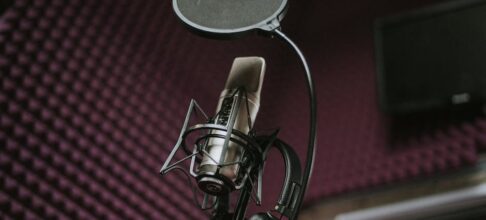
In practice, most audio studios handling Armenian projects are hybrids: part legacy radio outfit, part digital startup. One such example is Studio Avetis near Yerevan city center—a compact operation with four recording booths and a rotating roster of about twenty regular voice talents. Their bread-and-butter used to be radio commercials and government PSAs; now half their annual turnover comes from e-learning modules and mobile app localization gigs sourced via international platforms like LocDirect or TransPerfect.
A senior engineer at Studio Avetis describes their current pipeline: "We get files via FTP overnight from Berlin or Paris—sometimes raw script translations are so rough we have to rewrite them before bringing anyone into the booth." Then comes casting, which is never as simple as male/female/neutral: clients want specific dialects (Gyumri vs Vanadzor), age ranges matching target demographics, sometimes even requests for diaspora accents familiar only to LA-based Armenians.
This isn’t frictionless work. Scheduling can take days because several preferred voices also double as TV hosts or theater actors elsewhere—and unlike bigger language markets such as Spanish or French, there simply aren’t dozens of ready replacements waiting by the phone.
When AI Meets Ejective Consonants
Industry chatter often fixates on synthetic voices replacing human talent—but here’s where Armenia defies expectations again. In early pilot tests run by Voxqube (a boutique speech synthesis company operating out of Tbilisi), attempts to generate realistic Eastern Armenian voices stumbled over phonetic details unique to the language—the infamous ejectives (think ‘k’ pronounced with a pop) consistently sounded artificial or cartoonish when rendered by neural models trained mostly on Western European data sets.
That hasn’t stopped some studios from experimenting anyway. Studio Avetis occasionally uses AI-generated scratch tracks during pre-production so directors can adjust pacing before final recording sessions—a timesaver worth about –% fewer retakes per project according to their own logs last year. But when it comes to broadcast-quality output for national TV ads or audiobooks commissioned by Hayasa Publishing (an actual client since ), humans still hold court.
The Diaspora Effect: Los Angeles Calling
If you trace adoption patterns outside Armenia itself, another layer emerges—the massive Armenian diaspora communities in California and Russia have become unexpected drivers of demand. Game studios like N3TWORK (whose fantasy RPG titles routinely chart among diaspora teens) began commissioning character dubbing specifically in Western Armenian starting around after analytics flagged high engagement rates from Glendale-based users.
For these cases, recording frequently happens in hybrid setups: primary sessions done locally in LA sound houses such as Igloo Music Studios—famous for Disney soundtracks—then finalized back in Yerevan for QA against local broadcast standards set by Armenpress guidelines.
It’s cross-border localization at its most complex—and evidence that language community boundaries no longer map neatly onto production geographies.
Historical Footnotes You Can Hear
Rewind thirty years: In post-Soviet Armenia circa –5, professional dubbing was mainly state-driven (think children’s programs aired on Public Television). It wasn’t until well into the late 2000s that private studios started picking up commercial projects beyond radio drama reruns—a shift prompted largely by imported Turkish soap operas needing quick-turnaround overdubs for prime-time slots.