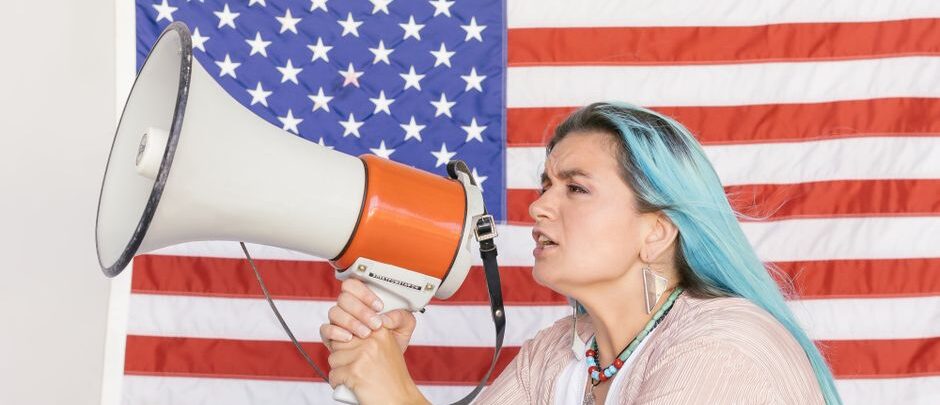
Let’s not pretend every corner of media production is racing towards an all-American sound. For years, there’s been a persistent myth: that the “American voice” is a golden ticket for global success, a one-way street from Burbank studios to international acclaim. But having spent time in both European post-houses and New York casting booths, I’ve seen this up close—it’s less a tidal wave than a set of overlapping ripples, with sharp edges and cultural contradictions.
The Netflix Effect: More Than Just Accents
In , when Netflix started pushing its Originals worldwide, something shifted. Suddenly, Warsaw-based localization studio SDI Media (now Iyuno-SDI Group) found themselves handling American English dubs for K-dramas and Polish documentaries alike. Their pipeline? Roughly % of their voiceover projects had to be retooled for US audiences—sometimes retrofitting local stories with distinctly American delivery. The result: requests for American-accented talent doubled in under three years at their Berlin office. Not because American English was inherently superior, but because platforms craved familiarity and brand alignment in their US catalogs.
But here’s where it gets messy: French streaming platform Salto experimented with American voice tracks for select series in —only to quietly drop the option after lukewarm user feedback. Viewers in Paris preferred either original or localized French voices; the “Americanized” versions felt uncanny, even alienating.
Branding by Voice: The Hard Sell
For global brands like Nike or Coca-Cola, American narration still dominates campaign assets headed to markets like Australia or Singapore—but it’s hardly universal. An agency contact at Ogilvy Sydney told me last year that only about % of major TVC campaigns they handled in used US-accented VOs; more often they’d cast regional talent who could deliver “global cool” without sounding transplanted. In practice, creative directors toggle between three options:
1) Authentic local accent,
2) Neutralized international English,
3) Polished American tone—mainly when targeting U.S.-centric digital ads.
When American Voices Don’t Fit
Here’s something you won’t see on typical pitch decks: there are entire genres where an overtly American sound is actually a liability. In Munich game developer Chimera Entertainment’s workflow for multilingual RPGs, the push has been toward “transatlantic” accents—a hybrid that sits comfortably between LA and London sensibilities. Their audio lead explained why: German players want English dialogue free of overtly regional cues; too much twang or valley girl cadence breaks immersion. As of , roughly half of their exported titles use this engineered neutral style rather than straightforward American VO.
Case Study: AI Tools Blurring Borders
Enter AI synthesis tools like ElevenLabs (New York/London), which now let producers create bespoke voice clones with subtle regional tweaks. When Turkish e-learning platform Udemy wanted fresh courses dubbed into English last autumn, they trialed synthetic VOs modeled on midwestern accents but dialed down on colloquialisms—an approach faster and cheaper than conventional studio sessions. The adoption rate? About % of their new English content now uses hybrid AI/voice actor workflows tailored for North America but designed to avoid “too-American” pitfalls that might jar Indian or UK learners.
Narrative Interrupt: A Director’s Dilemma in Milan
At Panatronics Studio outside Milan last spring, I watched director Elisa Ricci agonize over VO casting for an automotive spot aimed at Italian Gen Z viewers glued to TikTok. Should she go full-on Hollywood narrator (think Morgan Freeman-lite), or risk losing authenticity? She split her budget between two cuts—a charismatic Chicago-based actor and a Milanese bilingual talent coached into neutral intonation.
Feedback from focus groups was telling:
- The US-accented version tested well… until product details got technical.
- Listeners flagged certain phrases as "out of touch" or "trying too hard".
- Client taste (“Our CEO likes the sound from Brooklyn.”)
- Budget (“Can we get this done via SourceConnect overnight?”)
- Perceived prestige (“If Amazon Prime does it this way…”)
Ricci ended up blending lines from both takes—a Frankenstein solution emblematic of current industry compromise.
A History Lesson: Late ’90s Roots and Today’s Divergence
Rewind to the late ’90s heyday of Cartoon Network Europe when nearly all imported animation was dubbed by small London teams mimicking Californian speech patterns—even if audiences were Dutch teens or German kids who’d never set foot in Florida. It worked then because there weren’t alternatives; today’s consumers expect more nuance (and recognize an LA studio accent instantly).
Where Numbers Matter—and Where They Don’t
While a recent survey among Toronto-based studios suggests demand for authentic North American VOs has climbed approximately % since (especially driven by podcasting), other sectors show stagnation—or even reversal—as regional pride surges post-pandemic.
In Spain's ad sector, according to production manager Luis Mendez at BCN Soundworks, only about % of animated explainer videos destined for European markets favor strictly US-accented voices anymore; Catalan-inflected English is gaining ground instead.
Realities Behind the Curtain: Who Picks the Accent?
Producers rarely admit how random these choices can be under deadline pressure. In typical agency workflows—especially mid-sized ones across Germany or Scandinavia—the decision hinges on:
What emerges is less strategy than layered pragmatism—and plenty of second guessing after test audiences weigh in.
Future Tense: Is There Room Left for Innovation?
AI-powered tools will continue muddling national boundaries (see DeepDub out of Tel Aviv fusing actors’ performances with regionally adaptable output). Yet even these advances loop us back around to core questions:
Who decides what sounds “universal”? Will rising creators out of Lagos or Tallinn start defining new standards while Americans chase neutrality?
And what happens when every branded explainer video starts sounding algorithmically similar? Already some clients are asking production houses—in Prague as well as LA—to inject more quirks and imperfections back into finished VOs just so they stand out again.
Takeaway? Don’t Bet Everything on Stars-and-Stripes Narration Just Yet
If anything defines current practice—from Istanbul training modules to Melbourne VR experiences—it isn’t blind faith in an "American Voice Over future" but cautious experimentation amid shifting audience tastes and technological leaps.
So next time you hear someone predict America will own the world’s ears by … ask them which version they mean—the real thing, an AI remix from Tallinn, or just another client hedging their bets.