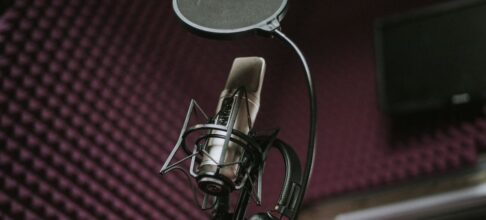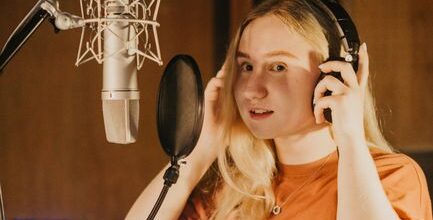
A few years ago, an audio director at a mid-sized Warsaw game studio confided to me that finding authentic Georgian voice talent was "a headache you only notice when it's already too late." He wasn't talking about budget or scheduling—he meant cultural nuance, texture, and the sense of place that only a genuine Georgian vocal performance could offer. It’s a challenge now echoing through every corner of localization: who really gets to speak for Georgia in today's global entertainment economy?
The Unexpected Weight of Accent: Subtle Power in Streaming Realms
In 2019, Netflix quietly rolled out its first batch of localized content for the South Caucasus region. While Russian dubbing dominated for decades, suddenly there was a push—notably from Tbilisi-based distributors—for native-language tracks. Yet it wasn’t until 2021, with the surprise domestic hit of “Sex Education” dubbed into Georgian by Studio Postred, that the wider industry sat up and took note. Within six months, local streamers like Adjaranet saw a 30% uptick in user retention on shows featuring professional Georgian voice over, according to Postred’s own internal figures.
It isn’t just about linguistic fidelity; it’s about trust. In conversations with producers at MagtiSat (one of Georgia’s main satellite TV providers), I heard repeated references to audience feedback: viewers didn’t just want translation—they demanded personalities and intonation that felt close to home. The result? Rapidly growing demand for trained voice actors who can navigate both colloquial speech and formal register.
When Video Games Needed More Than Just Dialogue Files
The shift is even more pronounced in interactive media. Around 2020, Polish developer Techland partnered with Tbilisi's Sarke Studio to localize "Dying Light" for the regional market. Early test builds used generic Eastern European actors attempting Georgian accents—test players flagged these as jarring and "inauthentic" almost immediately.
Sarke responded by assembling a roster of local theater professionals—often moonlighting between stage rehearsals—to re-record nearly 70% of dialogue lines. The outcome? Engagement metrics in Georgia rose sharply post-release; Techland reported double-digit growth in active playtime among users selecting the Georgian audio track.
Hybrid Workflows and Digital Hurdles: Not Just About Voices Anymore
Inside one typical production pipeline at Adjaranet Studios (circa late 2022), directors blend traditional booth sessions with AI-enhanced tools like Respeecher—used sparingly to match continuity on pickup lines or fill minor gaps if an actor becomes unavailable. But there's skepticism too: "We never let AI touch core emotional scenes," says Mariam Zhvania, lead voice director at Adjaranet. "You lose something real if you do.”
This hybrid approach is increasingly common across Central and Eastern Europe but takes on extra weight in Georgia where dialectal diversity runs high—even within Tbilisi itself. Studios often host casting calls spanning three or four distinct regional accents to ensure authenticity when voicing historical dramas or local folklore adaptations.
A Market That Doubled Overnight—And Then Hit Bottlenecks
According to industry insiders at GeoFilm Group (who handle dubbing for Disney+ content in Georgia), demand for Georgian-language tracks has more than doubled since early 2021—a boom partially fueled by pandemic-driven streaming spikes but sustained by new audience expectations.
But supply chains haven’t kept up: there are only a handful of seasoned voice directors working full-time in Tbilisi today, creating long lead times and driving up rates by as much as 40% year-on-year since 2020. Some smaller studios have begun pulling talent from Kutaisi or Batumi via remote recording setups—a stopgap solution complicated by variable internet speeds outside major cities.
Historical Context: From Soviet Dubbing Houses to Modern Microphones
Turn back to the early 1980s: Soviet-era dubbing houses like Kartuli Filmi had their heyday translating Russian blockbusters for TV broadcast, relying on small teams operating out of crumbling state-run sound stages. Quality varied wildly; many Georgians still recall hearing the same two male actors voicing every American cop and villain throughout their childhoods.
Contrast this with today’s competitive ecosystem where freelance actors upload demo reels directly onto platforms like Voquent or Voices.com—and casting may hinge as much on social media presence as raw skill. Even so, some veterans lament a loss of craft: “Back then we rehearsed for weeks,” recalls Guram Lomidze, who voiced countless roles from Bond villains to Bugs Bunny during the '90s transition period.
Beyond Borders: Exporting Georgian Talent (and Voices)
There’s another layer few outsiders see—the increasing export of Georgian vocal artistry abroad. In recent years London-based localization agency Matinee Multilingual has tapped several Tbilisi-trained voices for pan-European ad campaigns targeting diaspora audiences across Germany and France.
An illustrative case from late 2023 involved an Audi commercial intended primarily for Berlin’s sizable Georgian community; creative leads insisted on casting voices recognizable from popular TV soaps back home—a subtle nod that paid off when the campaign drew above-average engagement rates among first-generation immigrant viewers according to Matinee’s project wrap reports.
Where Authenticity Meets Automation—And Friction Ensues
Of course, not all is harmony behind the scenes. As cloud-driven ADR workflows become standard (think Source-Connect bridging booths from Paris to Batumi overnight), tensions flare around quality control versus speed-to-market imperatives.
Some agencies now use AI-generated temp tracks as placeholders while waiting for human talent—an approach that irks established performers but keeps production moving amid tight schedules. In practice-oriented workshops run last autumn at GIPA Media Lab in Tbilisi, younger voice artists debated whether algorithmic tools threaten careers or simply broaden access beyond entrenched networks centered around Rustaveli Avenue theaters.
What Audiences Actually Notice (And What They Don’t)
Feedback loops matter here: surveys conducted by Mediametrika.ge after major film releases show casual viewers overwhelmingly prefer locally produced dubs over imported Russian ones—but fewer than half can identify individual performers unless they’re household names or social media influencers.
Still, most agree that tone matters more than literal accuracy. A recent example came during HBO Max's rollout into Georgia; initial attempts at literal translation fell flat until script adapters began weaving contemporary slang into dialogue—driving an observable bump in positive user reviews week-on-week throughout spring 2024.
Local Heroes Versus Global Algorithms
In real-world workflows seen lately across European studios—from Vilnius’ Nordcurrent Labs handling mobile games to Athens’ Makedonia Films prepping historical epics—the tension remains between cost-effective automation and hard-won authenticity provided by regional specialists.
Georgia finds itself uniquely poised: small enough that word-of-mouth shapes casting trends overnight yet culturally distinct enough that cutting corners becomes visible fast—even embarrassing when international brands miss obvious cues (as happened infamously with IKEA's mispronounced ad spots aired regionally in late 2022).
Final Takeaway? No Easy Answers—But High Stakes Remain
There’s no single formula dictating whose voice gets broadcast into living rooms from Batumi beaches to Berlin backstreets—but one thing is clear after observing dozens of projects firsthand: Authenticity sells better than speed alone… until deadlines loom large enough that even veteran directors reach for digital stand-ins just this once.
Maybe that's what makes the current moment so charged—with every microphone check inside cramped studios above Rustaveli Avenue or Zoom session patching together talent from Kutaisi flats—it’s not just entertainment being made; it’s identity being performed live.