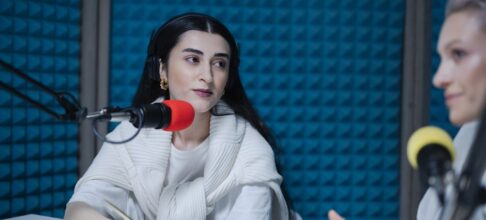
It’s 2018 in Moscow, and the team at SVT Studio is burning the midnight oil. Their task isn’t glamorous—re-recording English dialogue for a gritty Swedish crime series—but there’s tension in the room. The client, a mid-tier Scandinavian streaming platform expanding into Russia, wants “total emotional fidelity”—a phrase that means little to algorithms but everything to local audiences. The engineer signals, the actor sighs out a line about murder on a Baltic ferry, and somewhere between takes someone mutters: "If we don’t nail this, they’ll say it feels fake."
For years, voice over work in Russia hovered just outside of mainstream attention. Dubbing was seen as either mechanical or an art lost to nostalgia—the domain of those 1990s VHS tapes where one monotone male voice narrated every role in Terminator 2. But now? Everything has changed—and not only in Moscow.
#### When Localization Was an Afterthought
Before the mid-2010s surge in streaming platforms like IVI.ru and Okko, Russian-language dubs were often an afterthought—a rushed layer applied by studios working with shoestring budgets and tight schedules. In practice, most Western media arrived late and awkwardly adapted; jokes fell flat, cultural cues vanished.
But when Netflix entered Russia in late 2016 (later exiting due to sanctions), industry insiders started noticing something: audience expectations were shifting rapidly upward. Premium productions meant premium localization—or else viewership would plummet within weeks of release.
#### Workflow Revolution Inside Real Studios
Take Nevafilm, based in St. Petersburg—a company with roots stretching back to Soviet-era film dubbing. By 2021, their workflow had evolved from basic ADR sessions to complex multi-track pipelines involving up to twenty actors per episode for major dramas. Sound editors swapped WAV files across Moscow-Petersburg lines using bespoke cloud collaboration tools—not unlike those favored by Berlin’s VSI Group or Poland’s SDI Media teams.
“Two years ago we’d barely get six hours studio time per feature,” says Olga Morozova, project manager at Nevafilm. “Now a single Netflix-style mini-series can mean three weeks’ full-cast recording plus another week for mixing alone.”
#### Streaming Platforms Demand More Than Just Voices
The real twist? It’s not just TV dramas or Hollywood blockbusters driving demand. Interactive learning apps—like LinguaLeo (Moscow-based)—increasingly commission native Russian actors for hyper-localized lessons. Even indie game developers in Estonia and Lithuania have started sourcing Russian VO talent via remote casting platforms such as Voquent or Bunny Studio.
A recent project at Estonia's ZA/UM (the studio behind Disco Elysium) saw their localization lead experimenting with hybrid workflows: AI-assisted scratch tracks followed by human actors layering “the soul back in.” The result? A sharp uptick in user retention among CIS-region players—by some internal estimates up to 25% higher than with English-only releases.
#### Historical Echoes—and Unlikely Comebacks
To understand today’s landscape you need only recall Russia's bootleg VHS heyday—think early 1990s when blocky tapes circulated through kiosks from Vladivostok to Kaliningrad. Back then, viewers grew up on single-voice narration (“Goblins”), which became almost a subcultural badge of authenticity.
Fast forward three decades: many younger audiences now expect fully immersive character performances equal to original releases—a leap shaped partly by global fandoms and Twitch-driven watch parties demanding deeper engagement.
This is why companies like KinoPoisk HD (Yandex-owned) invest heavily in casting directors who treat animated features with Broadway-level seriousness; no more anonymous drones intoning dialogue over imported cartoons.
#### Tensions Between Technology and Talent Pools
Of course, modern workflows are not frictionless miracles. In mid-sized studios across Warsaw and Sofia, AI-powered dubbing tools promise faster turnarounds—but rarely deliver without hands-on rework by veteran sound supervisors.
A common pattern among Berlin-based agencies is initial use of synthetic voices for placeholder tracks during pre-production sprints; final dubs still rely on carefully curated human rosters—especially when targeting high-value territories like Russia where audience backlash against "robotic" delivery remains fierce.
In short: automation may accelerate timelines but hasn’t replaced experienced vocal talent (yet).
#### Brands Chasing Authenticity Across Borders
Consider how FMCG campaigns run by Ogilvy Moscow increasingly require not just translated scripts but culturally tuned VO performances for YouTube pre-roll ads targeted at Siberia versus Sochi—sometimes hiring separate regional actors for each campaign variant.
Or look at how Australian e-learning startups tap freelance Russian narrators via Upwork to break into Kazakhstan’s urban education market—an arrangement that would have been unthinkable before broadband-enabled remote collaboration matured around 2017–18.
#### Numbers Tell Their Own Story
According to informal surveys shared at localization conferences like LocWorld Europe (held recently in Malmö), requests for high-quality Russian voice-over have grown approximately 40% year-on-year since 2020 among pan-European clients—not only for entertainment but also enterprise training materials and explainer videos aimed at CIS markets.
Meanwhile, smaller Polish post houses specializing in kids’ animation report that nearly half their new business involves multi-lingual VO packages—with Russian routinely topping request lists alongside German and French versions.
#### Where All This Leaves Creators—and Audiences
The effect is everywhere but hard to quantify: richer character arcs on screen; punchier ad spots; even meditation apps serving Slavic diaspora communities from Prague to Toronto now insist on native-speaking voice artists rather than generic Eastern European accents.
Back at SVT Studio in Moscow last fall, I watched as the director paused mid-session—tweaking pronunciation until every syllable rang true for both Muscovite teens and pensioners from Novosibirsk alike. Not because tech demanded it—but because a new generation expects nothing less.