When Nordic Authenticity Becomes a Problem
In early 2015, Netflix began its first serious push into Scandinavian original content. Their global dubbing workflows—refined across Spanish, Portuguese, and Japanese projects—ran into a peculiar hitch: native Danish voice acting wasn’t only scarce; it was fiercely idiosyncratic. Studios like SDI Media Denmark (now Iyuno) reported that less than 20% of their freelance roster could deliver the kind of "neutral" accent international clients wanted. In real production meetings in Frederiksberg, project managers would openly debate whether to source voices from Jutland or Zealand—the difference can be as stark as Brooklyn vs. Alabama to American ears.
Even today, the idea of "generic Danish" is controversial in Copenhagen’s tight-knit circles. It’s not just about dialect; it’s about delivery. While Swedish and Norwegian VOs often lean toward energetic reads for commercials or animated features (think SF Studios’ Stockholm workflow), Danish directors prefer underplayed performances—a reflection of the country’s minimalist film tradition since Dogme 95. One casting agent at Adaption.dk put it bluntly last year: “If you push Danes to act too much behind the mic, you lose them.”
The Double-Edged Sword of Small Markets
A common misconception outside Scandinavia: Denmark is too small for a thriving VO market. While it's true that the overall pool is modest (estimates suggest fewer than 200 regularly working VO actors nationwide), this has forced studios to develop hyper-efficient pipelines.
Take BaggårdTeatret—a small production house on Funen handling e-learning localization for Lego Education since mid-2010s. With limited talent available locally, they implemented remote direction sessions via Source Connect as early as 2016—ahead of many London studios—just to ensure consistent quality when recording with actors scattered from Aalborg to Odense.
Yet scarcity creates bottlenecks elsewhere. During COVID-19’s peak in 2020, several advertising campaigns by Dentsu Aegis Network Denmark saw two-week delays because key male talents were double-booked on both TV spots and government PSAs. This isn’t exotic; it’s logistics at breaking point.
Case Study: Gaming’s Accent Anxiety
Localization managers at IO Interactive—the Copenhagen-based studio behind Hitman—have long grappled with how their globally popular games sound in their home language versus English dubs. By 2021, when Hitman III launched worldwide with full voice support for eight languages but only partial Danish options (menus/subtitles but no main cast dubbing), fans noticed—and complained on local forums like Spilzonen.dk.
The reason? According to one producer at IOI: "Finding enough credible Danish voices who don’t sound like they’re reading an IKEA assembly guide is harder than hiring for motion capture." In practice, localization teams triage which characters merit native lines—often relying on versatile actors who can convincingly shift between Copenhagen-standard and regional inflections during marathon sessions at studios like Sun Studios Denmark.
AI Arrives—and Divides Opinion Fast
By late 2022, even smaller agencies such as SpeakOnline.dk began trialing synthetic voices for explainer videos and digital assistants targeting Danish consumers. The results were mixed; while AI-generated voices sped up turnaround times (by around 30%, based on internal estimates), directors routinely complained about subtle mispronunciations (“børn” rendered flatly instead of its soft nuance).
In practical terms: For fast-paced YouTube campaigns aimed at Gen Z Danes in Aarhus or Odense—where budgets are tight and turnaround brutal—AI VOs became acceptable placeholders but rarely final assets without human retouching.
Meanwhile, established players like DR (Danish Broadcasting Corporation) maintain strict guidelines forbidding synthetic narration outside experimental contexts—a policy reaffirmed after a public backlash against an automated weather segment in September 2023.
Cross-Border Ironies: When Norwegians Stand In For Danes…
Production insiders laugh about the frequency with which Norwegian actors land jobs meant for “pan-Nordic” commercials airing across Sweden, Norway and Denmark—especially when agencies in Hamburg or Amsterdam coordinate pan-European media buys.
It happened again during Carlsberg's pan-Nordic campaign rollout in spring 2022: creative leads at Wibroe Duckert & Partners auditioned both Oslo-based Norwegians and Copenhagen natives for radio spots intended to sound “neighborly.” Several final cuts featured Norwegians coached into softer vowels—not quite fooling purists but passing muster with non-native listeners from Helsinki to Berlin.
Pay Rates And Schedules—Tight Margins Rule All Decisions
Unlike Germany or France where unionized rates shape most bookings (see ADAVB standards), freelance rates in Denmark are negotiated per project—with rapid swings depending on genre and platform. As one veteran actor told me during a break at Mainstream Studio CPH last November:
“Sometimes I’ll do three explainer videos before lunch—for three different fintech apps—and then wait weeks until the next session comes through.”
Typical rates hover between DKK 1200–2500 per finished hour for non-broadcast work—a fraction compared to Parisian or Munich standards—but these numbers fluctuate wildly after agency overheads are deducted.
Directors must juggle not just talent scarcity but burnout risk; it's not uncommon for the same handful of voices to front competing brands' campaigns within months—a reality quietly accepted by most local advertisers who value speed over exclusivity.
Legacy Meets Streaming Ambition: The Children’s Content Test Case
For decades—from Rasmus Klump cartoons dubbed by Nordisk Film in the ‘70s through Disney Channel DK launches circa 2009—the backbone of children’s programming relied on meticulous VO direction by just a few trusted directors operating out of old-school booths near Valby station.
But streaming shifted expectations almost overnight after Viaplay and HBO Max expanded localized kids’ catalogs post-2020 lockdowns. Suddenly hundreds more episodes needed fast-tracked adaptation without losing that classic "cozy" tonality parents expect from bedtime stories or holiday specials.
To cope, Copenhagen studios have doubled down on “ensemble” recording sessions—even if only virtually post-pandemic—to preserve chemistry absent from isolated home recordings now common elsewhere in Europe.
A leading example comes from SDI Media/Iyuno's workflow overhaul during Netflix DK ramp-ups between late 2020–2022: They invested heavily in remote ADR solutions allowing up to six child actors patched live across three cities—something previously considered logistically unfeasible pre-pandemic due to costs and technical limitations.
The result? Faster throughput without sacrificing warmth—a metric measured both anecdotally (parent feedback) and contractually (Netflix QA pass rates improved by approx. 15% over previous seasons).
Where Is It Headed? Quiet Persistence Beats Flashy Innovation
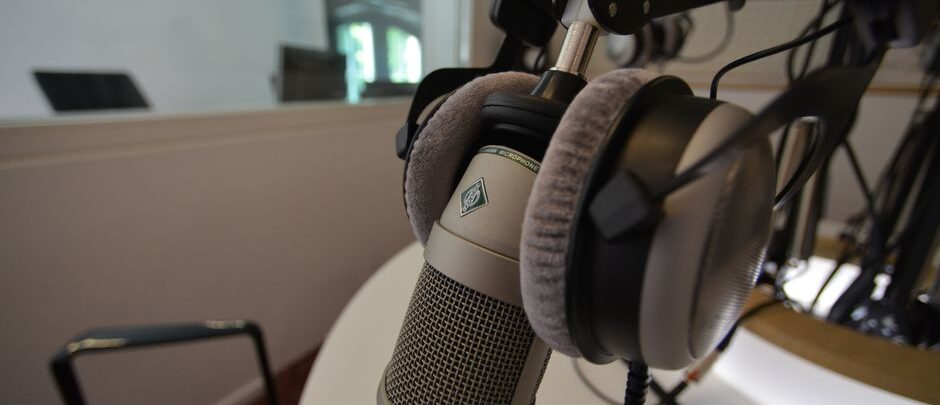
Walk into any mid-tier studio near Nørrebro today and you’ll see modest gear upgrades (Neumann mics still standard; occasional Rode NT1As for remote gigs). There are no grand AI showrooms here yet—just careful scripts marked up with notes about vowel softness or rhythm timing unique to each client brief:
someone wants "softer urban," another needs "rural warmth." Repeat ad nauseam—but everyone knows why this matters deeply here even if outsiders don’t hear it immediately.
From what I’ve seen covering recent production cycles:
the untold story isn’t about disruption—it’s about holding onto nuance despite relentless pressure for scale and speed driven by international streamers demanding ever-more-localized content every quarter.
Maybe that’s what makes Danish voice over so elusive—and so vital—in an industry obsessed with frictionless global sameness.