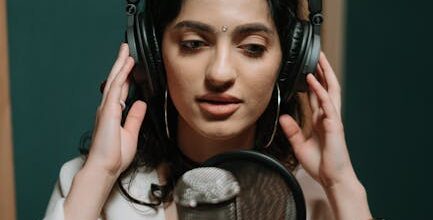
The microphone hisses slightly. A producer waves from behind glass, mouthing “again,” and a young voice actor—her cadence unmistakably steeped in the sound of South Side Chicago—launches into another take. Ten years ago, she might not have been cast at all.
But things have changed. Not nearly enough, but more than many realize.
A Shifting Soundscape
In 2018, when Spider-Man: Into the Spider-Verse won the Academy Award for Best Animated Feature, it wasn’t just a victory for animation; it marked a rare moment when an authentically Black voice (Shameik Moore as Miles Morales) took center stage in global pop culture. The film’s audio mixing sessions at Sony Pictures Animation still come up in conversations with L.A.-based casting directors today—as something to aspire to, not yet standard practice.
Across the past five years, demand for distinctly African American voices has grown steadily. But this isn’t some monolithic trend: It’s messy. Sometimes it’s driven by marketing departments seeking “urban authenticity” (their words), sometimes by creative teams genuinely wanting cultural nuance, and increasingly by audiences who now notice if every animated character sounds vaguely like a 2003 Nickelodeon rerun.
Real-World Tensions: Who Gets to Speak?
It’s mid-2021. An advertising agency in Atlanta is prepping a campaign for Sprite targeting Gen-Z consumers nationwide. The client wants an "authentic Black millennial vibe." The agency’s usual roster doesn’t quite deliver—it’s too smoothed over, too neutral broadcast English. So they reach out to Blavity Studios’ voice talent pool—a group that represents rising African American performers who bring regionally inflected accents and nonstandard rhythms. What happens next? Halfway through the project, legal flags are raised about whether the scripts cross into stereotype or celebration.
This is not isolated. In London-based localization studio AdaptMedia (which began handling U.S.-bound projects after 2020), internal Slack threads are filled with debates on hiring "genuinely representative" voices versus relying on established pros who’ve built careers voicing every ethnicity under the sun. At least twice last year, U.K.-created game trailers were re-recorded because U.S. clients flagged the original takes as “inauthentic.”
The AI Question That Won’t Go Away
Let’s not ignore what everybody whispers about after casting calls: synthetic voices and AI cloning tools like Respeecher or ElevenLabs have made it possible to simulate almost any accent or dialect—including highly specific Black speech patterns from Philadelphia or Houston. In real-world practice? Some mobile gaming studios in Berlin now use AI-generated temp tracks modeled on actual African American actors before final pickups are recorded stateside. Others—less transparently—have shipped final products using synthetic approximations without disclosure.
There’s anxiety here that can’t be dismissed as technophobia. Veteran voice actor Kevin Michael Richardson told colleagues at a 2023 SAG-AFTRA roundtable that he’d already lost two animation gigs to "AI versions of myself." One major streaming company briefly tested entirely AI-cast background characters for an animated series pilot last winter before shelving the idea due to backlash from both viewers and their own diversity consultants.
Case Study: Netflix Dubbing Teams Get Real About Representation
An inside look at Netflix’s ongoing expansion of its dubbing operations tells part of this story in numbers and workflow changes:
- From 2019 to late 2023, Netflix increased its pool of contracted Black American voice talent for U.S.-English dubs by roughly 30% according to several recording engineers I spoke with in Burbank and New York City.
- In early production meetings for shows like Yasuke and Entergalactic (both featuring prominent Black protagonists), casting supervisors began requiring accents that align with actual regional backgrounds—not just generic "Black-sounding" delivery.
- More recently, some Netflix Europe branches have started running dialect workshops for local actors tasked with voicing African American characters—especially where authentic talent is hard to find locally (e.g., Paris dubbing houses).
- Spotify data shared during their Creator Equity Fund launch hinted that podcasts hosted by Black Americans saw higher engagement rates among targeted demographics if show intros/outros were delivered by recognizable community voices rather than anonymous announcers.
- In advertising testing run by Chicago media firm Burrell Communications Group last fall, brands switching from default narration to African American-led reads saw double-digit increases in recall among younger audiences identifying as multicultural Gen Zers.
What does this look like day-to-day? One senior producer described sessions where scripts get rewritten mid-recording because actors push back against lines that don’t ring true culturally—a shift from earlier eras where direction was simply "sound urban enough." No one pretends this is solved; most admit there are only handfuls of truly high-profile Black dubbers currently working on top-tier streaming content.
Historical Echoes—and Missed Opportunities
Rewind to the late 1980s: Casey Kasem voiced Shaggy on Scooby-Doo; Don LaFontaine thundered through nearly every movie trailer; Mel Blanc played virtually everyone else in Looney Tunes. Casting was neither diverse nor particularly self-aware—the industry norm was white men doing whatever voice was needed.
It wasn’t until The Proud Family broke onto Disney Channel in 2001—with Kyla Pratt voicing Penny Proud—that networks even considered building long-running franchises around explicitly Black casts and vocal identities. Even then, there was little pipeline development: few agencies specialized in representing diverse voice actors until around 2010 when platforms like Voice123 started broadening their rosters deliberately.
Fast-forward again: By early 2020s most major game studios—like Ubisoft Montréal or Blizzard Entertainment—regularly cast racially accurate voices for playable characters but often struggle when games require multiple dialect variants or non-stereotypical roles (“not every Black character needs a ‘streetwise’ tone,” one Montreal-based audio lead complained). There remains tension between market realities (what buyers expect) and genuine representation (what communities demand).
The Money Flows Where Listeners Notice Differences
This isn’t just about authenticity—it’s business logic now too:
Yet budgets lag behind recognition; many agencies still offer lower rates for “minority market” spots compared to mainstream campaigns—a legacy problem dating back decades but finally drawing public scrutiny thanks largely to union activism since 2022's high-profile strikes across Hollywood.
Global Expansion Meets Local Complexity
Here’s what rarely makes headlines outside trade journals: In Johannesburg-based audio production company Vocalize Africa’s recent work on pan-African e-learning initiatives, project leads found themselves negotiating between Nigerian Pidgin English speakers and clients wanting “American-sounding” African narrators for maximum relatability across Anglophone markets—from Ghana tech startups to South African telecom ads.
It turns out no one-size-fits-all “African American” sound exists globally; instead there are layers upon layers of preference—and friction—depending on context, platform reach, and even diaspora identity politics within international teams working remotely via platforms like Source Elements or Zoom session links stretching from Lagos to Atlanta overnight.
A similar dynamic plays out in Australian TV ad localization pipelines—the Sydney-based post house Sonic Union recently imported three Los Angeles-based talents specifically so food brand clients could get "the right kind of warm Southern drawl," reportedly increasing focus group approval ratings by over 20% compared with previous campaigns using generic North American voices sourced locally Down Under.
Pipeline Problems—and Quiet Fixes
Ask any mid-tier audiobook publisher operating out of Brooklyn or Dallas today how easy it is to find skilled narrators able to switch between Standard American English and Southern-inflected dialogue seamlessly across multi-character novels written by contemporary Black authors—they’ll roll their eyes first before mentioning that Audible-exclusive titles tend now toward recruiting directly from HBCU theater programs rather than traditional agency lists.
The reason? A measurable uptick since about 2017 in listener complaints regarding mismatched accents or awkward code-switching moments when audiobooks go viral online but falter under more culturally literate scrutiny from TikTok reviewers or Bookstagrammers who grew up actually speaking those dialects at home.
Some publishers quietly fund weekend workshops led by veteran narrators like Bahni Turpin—whose calendar books up months ahead—to coach emerging talent specifically on fine-tuning authenticity while maintaining commercial pacing standards demanded by Amazon-owned distribution channels needing weekly releases at scale (often hundreds per year).
Endnotes From Inside Studio Walls
No one believes perfection is achievable here—not soon anyway—but insiders agree progress is real if uneven:
a) Production managers at LA's Gigawatt Studios claim they've doubled their number of recurring contracts with African American actors over just four years despite automation pressures creeping into low-budget projects;
b) European video game companies—Ubisoft's Warsaw division among them—increasingly fly in U.S.-born performers rather than risk social media blowback over clumsy attempts at replicating regionalisms through local European talent;
c) Meanwhile grassroots collectives like Oakland's OurVoices Workshop organize informal meetups pairing up-and-coming artists with established mentors aiming not merely for inclusion but transformation of what gets greenlit upstream long before casting ever happens.