You’ll rarely hear a Filipino voice in a global ad unless you go looking for it. Not because the talent isn’t there—look behind the scenes at Manila’s post-production houses, or scan through agency rosters in Makati and Quezon City, and you’ll see hundreds of accomplished VO artists. Yet, when HBO Asia tapped Filipino voice actors for its 2019 campaign rollouts, the process was neither smooth nor typical.
The Unseen Layer: Filipino Voices in International Campaigns
Most international brands entering the Philippines want local flavor but fear losing their global consistency. I’ve sat through more than one pitch meeting where creative directors worry about whether a Taglish (Tagalog-English) spot will “travel” well on pan-Asian platforms. That tension comes up again and again.
Netflix’s regional teams know this firsthand. In 2021, during their Southeast Asian push, Netflix localized key series into both neutral English and Philippine languages—leveraging studios like Hit Productions and CreatiVoices. The workflow? A localization manager in Singapore reviews scripts for cultural nuances, then ships files to Manila for casting. Turnaround time is tight: two days to shortlist voices; less than 72 hours to record, edit, deliver final tracks. For bigger projects—think Squid Game’s promo trailers—this window shrinks further.
Manila Studios: From Karaoke Booths to Pro Setups
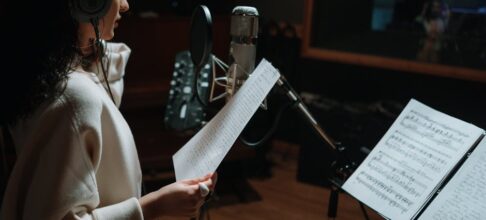
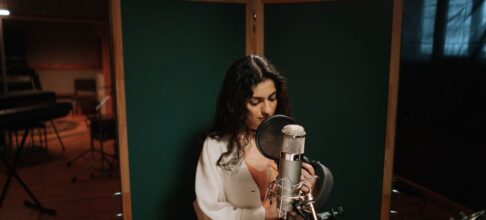
It wasn’t always so streamlined. In the early 2000s, most Filipino advertising VOs were recorded in radio stations or converted karaoke booths—a far cry from today’s soundproofed edit suites at Loudbox Studios or Soundesign Manila.
Anecdotally, a producer at GMA Network described how "in 2007 we’d sometimes patch an actor in via phone line from Davao just to meet deadlines." Now, with fiber connections and cloud-based DAWs (Digital Audio Workstations), even home studios can match broadcast standards if you have a Neumann mic and some patience.
But old habits linger: some agencies still expect last-minute script rewrites mid-session (the infamous “Can we add a tagline?” ten minutes before wrap).
The Multilingual Maze: Tagalog, Cebuano...or English?
Not all Filipino VO jobs are created equal. Around 60% of commercial work commissioned by Metro Manila ad agencies is still done in Tagalog or Taglish—prized for relatability among Luzon viewers. But campaigns aimed at Visayas or Mindanao audiences often require Cebuano or Hiligaynon speakers—a logistical headache for project managers unaccustomed to multilingual casting calls.
One notable case: Procter & Gamble’s Safeguard campaign in 2022 ran three parallel audio spots—in Tagalog for Luzon TV networks; Cebuano for radio blitzes around Cebu; English-Tagalog mixes for digital platforms targeting OFWs (Overseas Filipino Workers). Each language version demanded not just linguistic accuracy but fine-tuned cultural references only native speakers could nail.
Casting Patterns: Who Gets Heard?
There’s an inside joke that every other bank ad uses the same four male baritone voices—the ones dubbed as "the voice of trust" since the mid-2010s boom in financial services marketing. Female talent fares better in e-learning modules and IVR systems (interactive voice response), particularly when clear enunciation is required over warmth.
Casting usually happens through WhatsApp groups packed with agency producers and VO agents—a system born from years of tight-knit networking rather than slick online platforms. While Western markets might use Voices.com or Bodalgo almost exclusively for remote hires, most major Manila bookings still go through old-school contacts lists or Facebook Messenger threads.
VO Meets Tech: AI Experiments vs Human Nuance
Here’s where things get interesting—and slightly controversial among practitioners I’ve interviewed. Since late 2022, several mid-sized production houses have begun trialing AI-assisted dubbing tools like Respeecher and ElevenLabs to cut costs on explainer videos destined for social media.
However, while these synthetic voices can replicate intonation patterns surprisingly well (a common comment is "not bad if you’re doing school e-modules"), they fall flat on emotion-heavy scripts—for now anyway. A Quezon City-based director told me their team tested AI-generated Tagalog narrations but ended up reverting to human actors after feedback showed listeners found them "robotic," especially during testimonial-style ads.
Budgets & Timelines: The Quiet Pressure Cooker
Budgets remain modest compared to Singaporean or Australian rates—P8,000–P15,000 per session ($150–$260 USD) is typical unless you’re voicing nationwide TVCs with residuals involved. Deadlines have only gotten tighter; rush turnarounds under 24 hours aren’t rare anymore given TikTok-first strategies adopted by FMCG clients like Jollibee Foods Corporation since mid-2020 lockdowns changed content consumption overnight.
A two-minute animated explainer for an EdTech startup? Expect draft scripts by lunchtime Monday; scratch recording Tuesday morning; client feedback midday; locked VO by dinner—with final mix delivered before noon Wednesday so social teams can upload before trending hashtags expire.
Case Study: A BPO Giant Rebrands Across Islands
In late 2023, Teleperformance Philippines embarked on a full rebrand campaign across Luzon, Visayas, and Mindanao. Their goal was uniform messaging—but tailored delivery across three languages plus English subtitles for digital rollout.
The workflow:
- Scripts finalized centrally but local adaptors rewrite idioms per region;
- Remote casting sessions held over Zoom with shortlists compiled within six hours;
- All main recordings wrapped inside two days at partner studio Audacity.ph;
- Final mixes distributed via cloud folders sorted by dialect/region so each city office could launch simultaneously on radio/TV/social channels without bottlenecks.
This approach slashed previous lead times by nearly 25%, according to internal project leads—and set a new model others now cite informally as “the Teleperformance method.”
Training New Talent: Mentorship Over Algorithms
In contrast with Europe’s reliance on agency workshops (like Germany’s Sprecher Akademie), up-and-coming Filipino VO artists usually start as interns shadowing veterans during live gigs—a tradition kept alive at Creative Voices Productions since its founding back in 2005 by Pocholo Gonzales (“The VoiceMaster”).
Weekly group sessions focus less on theory than quick-turn script reads under real-world pressure—often simulating actual commercial briefs sent that week by local FMCG brands or telcos like Globe Telecom.
As one recent trainee said after her first gig reading health advisories for DOH public service announcements: “They threw me straight into the booth with four takes max—it was scary but I learned more than any online course.”
Retaining this apprenticeship culture may be what keeps human nuance ahead of algorithmic clones—for now at least.
Beyond Ads: Narrative Storytelling Finds Its Place
While commercials dominate booking calendars (roughly eight out of ten jobs according to informal surveys shared among industry Facebook groups), there’s been measured growth in narrative podcasting since Spotify began commissioning original Filipino audio dramas around early 2022—with Quark Henares’ “Stories After Dark” cited as a flagship example marrying professional VO work with cinematic sound design inspired by Korean drama dubs popularized locally during pandemic streaming spikes.