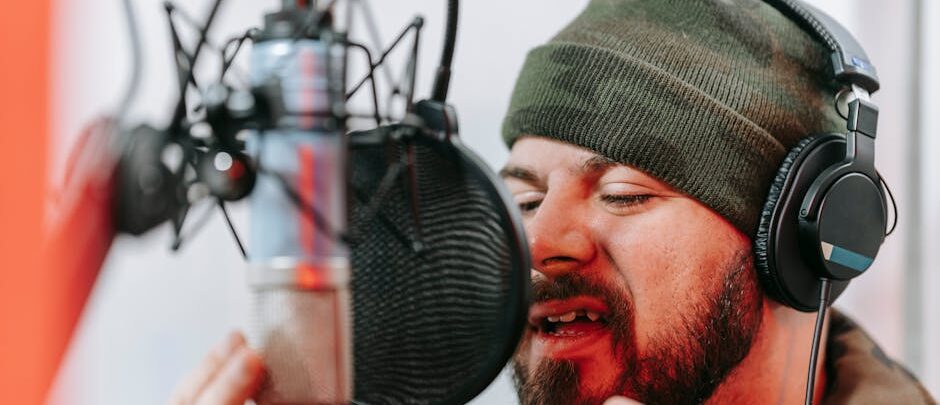
It’s a tired cliché that only the United States and the UK have voices heard around the world. But scroll through any Netflix Originals list, or tune in to an in-flight safety video on Qantas, and you’ll find that Australian voice over isn’t just a regional quirk — it’s a global commodity. Yet, outside media circles, few understand the actual work (and contradictions) behind those distinctive inflections.
The Two Faces of "Aussie" Sound
Let’s be honest: what most non-Australians call an “Australian accent” is often just as manufactured as the Crocodile Dundee stereotype. Sydney-based studio Squeak E. Clean reports that nearly % of their international projects request either a softened accent or a “neutral Aussie” read — not quite Home and Away, not quite BBC. There’s tension here: brands like Air New Zealand sometimes want unmistakable local flavor for authenticity, while game publishers like Ubisoft Australia quietly ask talent to "dial it back" for broader appeal.
Inside a Real Campaign: Local Sound Goes Global
Take Tourism Australia’s high-profile campaign starring Chris Hemsworth. While Hemsworth’s face fronted the visuals, the narration was voiced by lesser-known actor Lisa McCune in Melbourne — chosen precisely because her tone balanced mainstream familiarity with subtle regional markers. According to production manager Zoe Tilley, "We tested three versions with focus groups: broad, neutral, and British-adjacent Aussie. Neutral won — but only barely." This kind of A/B testing isn’t rare; mid-tier agencies across Sydney and Brisbane now routinely run sample sessions with both domestic and international panels before settling on final VO tracks.
What Happens in Studio B... (Stays on Hold?)
In typical post-production workflows at studios like BigSound Productions (Melbourne), voice actors rarely see full scripts until hours before recording. For one children’s animation series dubbed for Seven Network in , producers insisted each character have an “identifiably Australian cadence.” But when segments were repurposed for streaming platforms in Singapore and Canada, several lines were re-recorded to flatten idioms like “reckon” and swap out terms such as “servo” for “gas station.” In effect: two parallel VOs recorded weeks apart — one for home audiences; another engineered for export.
From Ad Agencies to AI: Shifting Gears Fast
There was an era—think late 1990s—when Australian radio spots meant frantic patch-ins from ISDN booths and frantic bike messengers delivering DAT tapes across Sydney CBD by lunchtime. Fast-forward to : even small outfits like Perth's Voicely use cloud-based AI tools (Respeecher saw a % usage jump among Australian freelancers last year) to audition synthetic voices alongside human ones before casting decisions are made.
Yet despite this tech leapfrog, live direction hasn’t disappeared. As observed during SBS's localization for multilingual news bulletins in late , directors still sit in remote Zoom sessions coaching talent through sentence rhythms unique to Queensland English versus Victorian speech patterns.
Case Study: Gaming Down Under — Real Workflow Pain Points
A common pattern among game studios—such as Halfbrick Studios (Brisbane)—is outsourcing initial VO work offshore due to budget constraints. But when they received player feedback that Fruit Ninja’s early English language update sounded “awkwardly generic,” they doubled back to record new lines with authentic local artists sourced via agencies like RMK Voices in Sydney. The result? A measurable spike (% uptick over two months) in positive user reviews mentioning "relatable dialogue." Anecdotal? Sure—but representative of how even casual games weigh their tone carefully when exporting abroad.
Not Just About Accent — The Business Behind the Booths
The business scale is bigger than most imagine: according to Screen Australia data from late , commercial voice over rates for prime-time TV campaigns range between AUD $–$ per session depending on usage rights and territory splits. Studios handling narrative content—for instance, Audible Australia’s original podcast line-up—often negotiate flat fees plus residuals if shows are sold into North American or European markets.
And while some international clients hunt specifically for "Ocker" voices (the rougher end of Australian inflection), others want indistinct regionalism—a dilemma faced by multinational ad agency Clemenger BBDO when scripting Telstra's cross-Tasman campaigns last year. Their fix? Record identical scripts with two different actors—one Sydney-raised, one Auckland-born—and let editors choose which take lands better with test audiences.
Conclusion? Not Quite So Simple...
Is there really such thing as THE Australian Voice Over? Watch enough ads or listen closely during your next layover at Melbourne Tullamarine Airport and you’ll find more questions than answers. It isn’t just about accent or clarity—it’s about which cultural signals can be safely exported without sounding contrived or losing nuance along the way.
Put simply: every time you hear an Australian voice narrating weather alerts in Europe or pitching mobile plans on Asian streaming services, remember—there are dozens of real-world choices behind that soundbite.