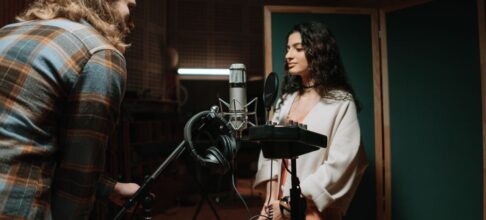
What is American Voice Over?
American voice over refers to the distinct accent, intonation, pacing, and vocal characteristics commonly associated with American English. It’s widely used in media broadcasts, advertisements, narrations, and entertainment industries targeting an American audience. The American accent varies regionally, but the “General American” accent—the neutral, unregionalized form—is typically preferred in professional voice over work for its broad appeal and clarity.
Why Transform Your Voice for American Voice Over?
Voice actors often need to adapt their voices to fit different styles and markets. Transforming your natural voice to an American voice over tone:
- Expands your job opportunities: Many projects require a convincing American accent.
- Makes your delivery relatable: The target audience connects better with familiar speech patterns.
- Enhances clarity and professionalism: American voice overs often emphasize clear articulation and balanced modulation.
- Showcases versatility: Demonstrates your ability to adapt and perform diverse roles.
- Accent influences (regional or foreign sounds)
- Pronunciation patterns
- Intonation and rhythm
- Pitch and tone
- Rhoticity: Pronouncing the “r” sound clearly at the end of words like “car” and “water.”
- Flat “a” sound: Words like “cat” use a fronted vowel sound, differing from British or other accents.
- T-flapping: “T” in words like “better” and “water” sounds more like a quick “d.”
- Neutral vowel sounds: Vowels are pronounced clearly but not overly emphasized.
- Repeating key American vowel and consonant sounds.
- Mimicking native speakers using shadowing techniques.
- Recording and comparing your voice against American voice actors.
- Working with tongue twisters to improve clarity.
- Listen to American dialogues and note the rising and falling tones.
- Emphasize stressed syllables in a sentence appropriately.
- Use varied pacing—mixing quicker speech with slower, deliberate moments to maintain listener interest.
- Speaking with confidence but not shouting.
- Avoiding monotone delivery by using vocal variety.
- Matching your energy level to the project type (e.g., upbeat for commercials, calm for narrations).
- Enunciating consonants, especially “t”, “d”, and “r.”
- Avoiding mumbling or trailing off at the ends of sentences.
- Maintaining mouth relaxation to allow fluid speech.
- Ongoing accent coaching
- Regular practice with new scripts
- Analyzing current American media trends
- Accent training apps: Elsa Speak, Speechling
- Online courses: Udemy, Coursera voice and accent training
- Phonetics guides: “American English Pronunciation” by Rachel’s English
- Recording software: Audacity, Adobe Audition for self-review
- Voiceover communities: Voices.com forums, Reddit voice acting groups
Step-by-Step Guide to Transforming Your Voice for American Voice Over
1. Assess Your Current Voice and Accent
Before starting the transformation, record samples of your natural voice speaking both conversationally and in a script-read context. Listen carefully to identify:
This initial assessment helps you understand what changes you need to make.
2. Study General American Accent Basics
The foundation of American voice over lies in mastering the General American accent. Key features include:
Resources like YouTube tutorials, accent coaching apps, and phonetics books can provide detailed explanations and examples.
3. Practice Phonetic Drills and Exercises
To shift your accent, consistent practice of phonetic drills is essential. Focus on:
4. Adjust Your Intonation and Rhythm
American English typically has a distinct melodic pattern and cadence. To sound authentic:
5. Control Your Pitch and Energy
American voice overs often feature a conversational, friendly tone with controlled but expressive energy. Practice:
6. Work on Diction and Clarity
Clear articulation is critical in American voice overs to ensure the message is understood. Techniques include:
7. Get Feedback from Professionals
Feedback is invaluable. Share your recordings with dialect coaches, voice acting mentors, or peers familiar with the American accent. They can pinpoint subtle errors and offer tailored advice.
8. Record a Demo Reel with American Voice Overs
Create a demo reel showcasing your American voice over skills. Include a variety of styles such as commercial reads, narration, character voices, and promos. This reel is essential for marketing yourself to casting directors and agencies.
9. Keep Practicing and Updating Your Skills
Language and accents evolve, so it’s important to keep refining your American voice over abilities through:
Tools and Resources to Aid Your American Voice Over Transformation
Conclusion
Transforming your voice for American voice over work is an attainable goal with dedicated practice and strategic techniques. By focusing on accent reduction, intonation, energy control, and clarity, you can master the General American accent and significantly enhance your voice acting career. Use this step-by-step guide as your roadmap to achieving authentic American voice over performances that captivate and resonate with audiences.
---
*Ready to take your voice acting journey to the next level? Start practicing these transformative steps today and unlock a world of American voice over opportunities!*