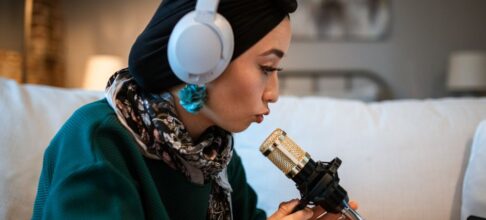
Nobody tells you that, for a handful of Sydney-based ad agencies, the biggest debate around casting voice over talent isn’t about accent—it’s about whether to sound like Bondi or Brisbane. The shorthand is “Aussie authenticity,” but in practice, it’s less about kangaroo clichés and more about which suburb’s vowels will land with a target demographic in Melbourne or Perth. If you’re new to Australian Voice Over (VO), forget what you’ve heard about it being just another branch of global audio production. It’s an industry built on contradictions, deadlines, and—sometimes—a surprising lack of Vegemite references.
The Scene: From Garage Booths to Big Studios
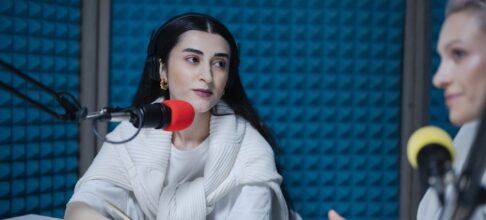
Step into any mid-tier audio post house in Sydney—think Squeak E. Clean Studios or Risk Sound—and you’ll find two things: an arsenal of Neumann microphones and a wall calendar peppered with campaign deadlines from brands like Telstra, Qantas, or even Netflix Australia. Since around 2015, there’s been a visible uptick in demand for distinctly Australian voices—not only for local commercials but also for e-learning platforms, streaming content, and video game character work.
Here’s the twist: while US studios often audition hundreds of actors per project via online portals like Voices.com or Voice123, many Australian producers still rely heavily on trusted agency rosters or personal recommendations. This means that breaking in as new talent can feel less like submitting an application and more like trying to join someone’s family barbecue—awkward unless you know who brought the snags.
Not Just About the Accent—But Sometimes It Is
Ask anyone at Melbourne-based Barking Owl (which handles both local and international campaigns) what clients want most: clarity. There’s a pervasive myth that overseas clients always want “Crocodile Dundee lite.” In reality? Most corporate narration jobs specify neutral tones with only a hint of regional flavor—a Goldilocks accent not too broad, not too posh.
The tension comes when scripts call for "relatable Aussie," yet avoid caricature. For newcomers trained exclusively on American reference reels from YouTube tutorials, this can be disorienting. One producer from VMLY&R recounted scrapping four shortlisted voices because they sounded “too Home And Away circa 2002.”
Tools That Shape the Workflows—And Why They Matter More Than You Think
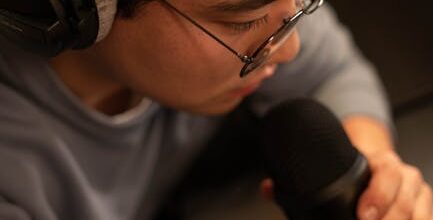
Until recently, nearly all VO recording was done in-person at central studios like Soundfirm (Melbourne) or Big Ears Audio (Brisbane). But since 2020, there has been a massive pivot toward remote sessions using Source-Connect Standard—a tool now nearly mandatory for professional work across Australia. According to studio engineers interviewed by Audiocraft last year, roughly 70% of commercial VO projects now start with home-recorded demos before progressing to final studio sessions.
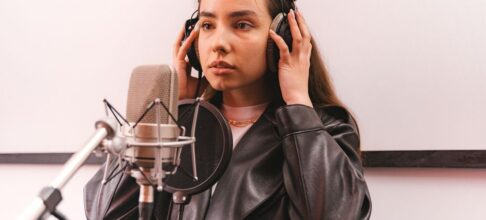
This shift has opened doors for freelancers outside major cities—but it also triggered a boom in semi-professional home booth construction across suburbs from Newcastle to Fremantle. Acoustic foam sales jumped noticeably during lockdowns; Bunnings clerks could suddenly talk decibel reduction ratios without blinking.
A Workflow Snapshot: The Insurance Campaign That Wasn't Quite Right
In late 2023, one Sydney boutique agency landed a national insurance account targeting retirees across New South Wales and Victoria. Creative brief called for “trustworthy mature male voice” with definite Australian lilt but “no Paul Hogan vibes.”
The workflow went something like:
It took three rounds—the sort of scenario junior voice artists rarely anticipate when reading textbook guides online.
Rates: Less Transparent Than You’d Hope
You won’t find standard union rates here—at least not outside government-funded projects or select high-profile campaigns (think Tourism Australia). Most corporate gigs are negotiated case-by-case between agents and clients; e-learning modules might pay $150–300 per finished hour while national radio/TV spots can command upwards of $1000+ AUD per script if usage is broad enough.
For comparison: New York-based studios tend toward SAG-AFTRA minimums ($250–400/hr) while European shops in Berlin or Warsaw may offer lower base rates but bundle extensive buyouts into their contracts.
In real-world practice? A common complaint among up-and-coming Australian talent is inconsistent fees—even within the same genre of work—which makes budgeting unpredictable if you’re just starting out solo.
AI Voices Are Here—but Human Nuance Still Wins Commercial Work…For Now
By mid-2023, several local startups began pitching synthetic "Australian-style" voices generated by tools such as Respeecher and Replica Studios (the latter founded in Melbourne). These AI models are proving useful for temp tracks and internal drafts; one Brisbane animation outfit used them extensively while storyboarding an educational series set for ABC Kids release next year.
But clients remain cautious when it comes to final delivery—especially where subtle emotional resonance matters (insurance ads again!). Anecdotally: I’ve seen agencies test out AI reads only to revert back to human talent after feedback loops revealed audiences perceived synthetic accents as either too generic or subtly off-putting (“like a GPS telling me my life insurance options,” as one creative director quipped).
Industry chatter suggests maybe 10–15% of low-stakes instructional content uses some form of AI-generated audio locally—but commercial and narrative-driven projects overwhelmingly favour real performers at this stage.
Lessons Learned from Production Trenches
The most successful beginners aren’t necessarily those with flawless demo reels—they’re adaptable problem solvers who understand fast feedback cycles and the quirks of remote collaboration tools.
Take Kylie Turner—a Perth-based newcomer who landed recurring e-learning gigs after investing $800 AUD in basic acoustic treatment and learning how to self-direct under tight turnaround times. Her story mirrors dozens I’ve observed through Facebook groups such as "Aussie Voiceover Community" where frank discussions about everything from invoice templates to vocal health are more valuable than any formal training course right now.
Contrast this with London studios like Soho Voices where traditional booth etiquette still rules—the pace is slower but the expectations around technical polish are higher than anything I’ve witnessed on short-form campaign work down under.
Picking Apart Myths—and What Actually Gets You Hired
in real-life castings observed at small agencies across Adelaide and Hobart—the winning edge often comes down not just to vocal quality but genuine reliability (“Can you send clean takes before lunch?”) coupled with willingness to adapt script reads on-the-fly when client feedback comes through Slack at 9pm on Friday night.
in one memorable instance during a campaign drive for Jetstar Airways early last year,
a junior artist clinched repeat bookings simply by offering alternate line readings unprompted—a move that would seem presumptuous elsewhere but scored points with time-pressed producers juggling multiple edits per day.
in essence: yes, having signature timbre helps—but consistent professionalism gets remembered longer than perfect diction every single time.
the punchline? plenty of beginners spend months chasing after unique plugins or rare microphones when most bookings hinge on clear communication skills,
deadline discipline,
and ability to sound genuinely engaged even after twelve takes reading lines about superannuation calculators—or dog food loyalty programs—in rapid succession!