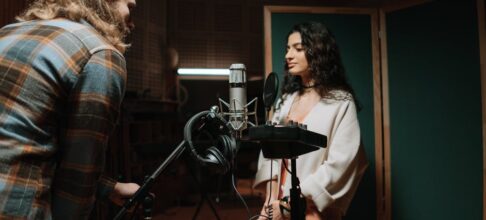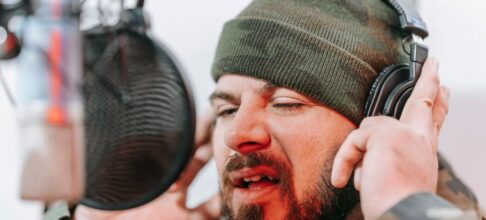
There’s a curious myth clinging to the world of French voice over — that it’s just about finding a pleasant accent and recording some lines in a soundproof booth. Anyone who has spent more than an afternoon inside one of Paris’s mid-tier studios knows better. The reality, as observed on Rue des Dames at Le Studio de la Gare or during late-night sessions at Dubbing Brothers’ suburban complex, is layered with logistical puzzles, cultural acrobatics, and the shifting sands of technology.
Hidden Frictions in the Booth
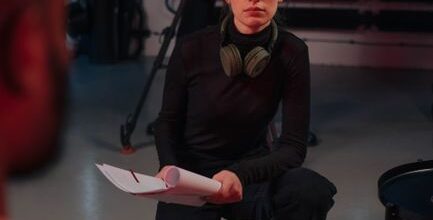
Take an early-morning session at TitraFilm, a Parisian post-production hub dating back to the 1930s. On a brisk Wednesday in January 2023, two dozen actors shuffled scripts for a major American drama headed for Amazon Prime France. The director, juggling both his iPad (for live script updates) and three WhatsApp groups (one for client approvals, one for technical crew, one for last-minute actor replacements), confessed: “The hardest part? Not just the acting. It’s syncing the soul of each line with what French audiences expect—sometimes that means bending language until it nearly snaps.”
Voice over isn’t pure translation; it’s adaptation at molecular level. In practice, this involves everything from subtly adjusting idioms (so "kick off" doesn’t become "coup de pied dehors") to managing mouth-flap synchronization when dubbing animated series like Japan’s “Attack on Titan” into colloquial French — where syllable count and emotional resonance must both survive.
When Netflix Landed in Paris: A Watershed Year
2014 changed everything. Netflix entered France with aggressive plans to localize its burgeoning content library, marking a clear pivot point for local voice over studios. By 2016, demand had spiked by nearly 50%, according to industry insiders at VSI Paris — so sharply that small shops started pooling freelance talent across Belgium and Switzerland just to keep up.
One production manager recalls: “You’d walk down our studio hallway and overhear five different shows being voiced simultaneously — American comedies next to Korean thrillers next to Polish detective stories.” That era forced new workflows: Google Sheets became lifelines tracking cast availability; remote direction via Source-Connect turned into standard practice overnight.
Tech Isn’t Always Smoother — Especially With Voices
AI-powered tools are now everywhere: Descript can transcribe hours of audio in minutes; Respeecher offers cloned voices that mimic real talent almost eerily well. In theory, these tools streamline projects for localization companies like Audiomachine or TransPerfect Studios.
But here’s where things splinter in real-world practice:
- In Lyon-based indie studio La Voix Claire, engineers report AI-generated voice samples often fail subtle tests – missing ironic tones or stumbling over regional argot unique to Marseille or Lille.
- Directors still insist on human retakes when lines land flat emotionally (think romantic subplots from “Call My Agent!” dubbed for Quebecois TV).
- Even in high-volume commercial work — like automotive ad campaigns handled by Publicis Groupe — 70% of final spots end up using human-tweaked takes rather than pure machine output.
- In 2021, when Canal+ brought Swedish noir series “Before We Die” to France, the brief was explicit: retain northern European moodiness while swapping Swedish slang with banlieue edge—a gamble that paid off in doubled audience retention rates after launch week.
- During Covid lockdowns, remote home-studio setups—built with makeshift sound insulation and Ikea duvets—became standard even among high-budget productions like TF1’s primetime dramas.
- Directors still argue over retaining Anglicisms versus inventing new phrasing (“buzz” versus “effet boule de neige”)—especially fraught on social-first ads run by agencies like BETC Digital;
- Rights clearance is thornier now as AI-generated voices raise tough questions about likeness protection under evolving EU copyright law;
- Demand spikes around festival seasons (Canneseries, Annecy Animation Festival) strain supply chains—even prompting last-minute overnight sessions called "doublages d'urgence" among insiders.
There are measurable savings: average turnaround times dropped from two weeks per episode (in early 2010s) to less than six days today for most streaming content dubbing cycles. But no studio lead I spoke with pretends machines can replace seasoned human actors trained in the idiosyncrasies of French humor or heartbreak.
Case Study: Ubisoft and Cross-Continental Collaboration
A revealing workflow comes from Ubisoft’s Montreal team adapting blockbuster games into global French releases. For titles like “Assassin’s Creed Valhalla,” dialogue is first written in English but reimagined by scriptwriters collaborating between Paris and Montreal.
Montreal casts local Québécois actors for authenticity when needed—but for pan-European releases they fly out top-tier Parisian voice talent instead. Audio files ping-pong between continents via encrypted servers; daily review meetings happen across time zones. The challenge? Ensuring that phrases central to Norse mythology don’t lose their bite—or turn comic—when given a literal French twist.
Ubisoft estimates that roughly 40% of their localization budget goes directly into nuanced voice over processes—not counting ancillary costs like dialect coaching or emergency re-recordings after regulatory changes (as seen post-2018 GDPR enforcement).
French Voice Over as Cultural Mediation — Not Just Service Work
A pattern emerges across media sectors: whether adapting Marvel blockbusters or niche documentaries on Arte TV, French voice over serves as gatekeeper between worlds. Sometimes this means fighting uphill battles against literal translations mandated by US legal teams (“Can we *please* not say ‘super-héros’ every three sentences?” begged one director during Disney+’s “Loki” adaptation meetings).
Other times, it sparks creative opportunity:
The Numbers Beneath the Surface
France boasts more than 120 specialized dubbing studios as of late 2022; industry revenues hit an estimated €400 million annually according to figures shared by SEDIF (the national union representing dubbing professionals). While only about 15% of all voice actors work full-time year-round—a figure echoed by union reps—the sector supports thousands through project-based gigs ranging from gaming cutscenes to e-learning modules for European Commission training programs.
Beyond Paris: Regional Hubs Are Gaining Ground
It would be a mistake to picture all action happening inside Parisian ring roads. Studios in Lille have carved reputations handling Belgian co-productions; Marseille outfits specialize in North African market adaptations; even Nice has seen boutique agencies thriving thanks to Franco-Italian streaming deals brokered since mid-2019.
In Bordeaux last spring, I watched producers test AI-dubbed pilots with focus groups—invariably reverting back to veteran radio actors after feedback flagged "oddly neutral intonations." Local character matters more than ever as platforms chase authenticity alongside efficiency.
Tensions That Won’t Disappear Soon
The pressure points haven’t faded:
Some tension is good—it keeps standards high when everyone wants quick delivery but resists bland uniformity. As one old hand at Dubbing Brothers puts it dryly: “You can automate rhythm and timing maybe...but you can’t fake nostalgia.”
Looking Ahead Through Studio Glass
As platforms multiply—Disney+, Salto (before its short-lived closure), even Apple TV+ increasing francophone originals—the volume game gets ever bigger. Yet most seasoned players agree: whatever software disrupts next year or which startup wins tomorrow’s workflow war, core craft remains intact somewhere behind glass panels dotted around Montreuil or tucked away near Lyon's Part-Dieu station.
French voice over isn’t just invisible labor—it shapes what millions hear as authentic emotion every night on screens big and small across Europe and beyond.