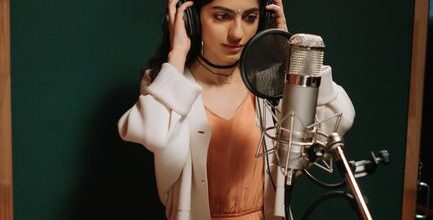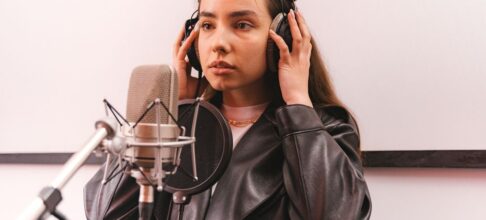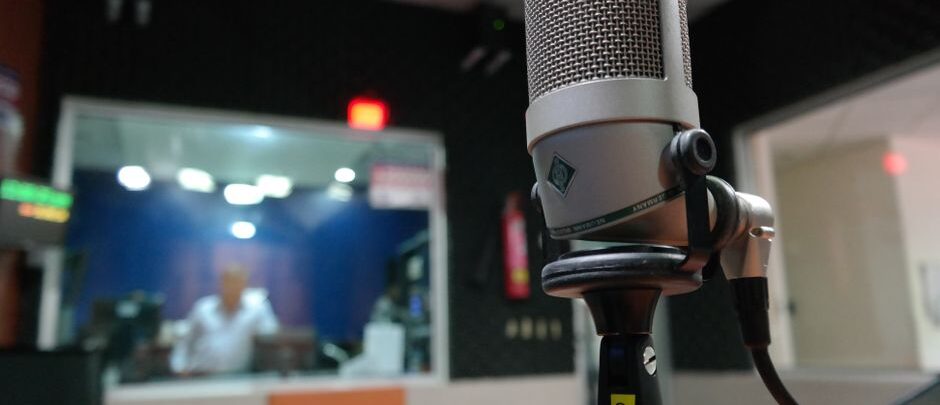
There’s always a gap between how effortless a polished voice over sounds and the friction behind its creation. In Dutch, that gap has never been more obvious—or more interesting. Walk into any mid-sized production studio in Amsterdam or Utrecht and you’ll see it: padded rooms, coffee rings on scripts, a battered copy of Van Dale, and a digital clock that counts down every second of booked booth time.
A decade ago, only national broadcasters like NOS or RTL really invested in high-quality Dutch voice over work. Most international brands simply subtitled their content for the Netherlands, assuming that “everyone speaks English” would cut it. Not anymore. In 2023 alone, several European streaming platforms reported an uptick—by as much as 30% compared to 2019—in requests for native Dutch narration across genres from kids’ animation to fitness tutorials.
The New Workflow: Faster but Not Always Simpler
It’s tempting to think AI would make everything easier. And yes—tools like Descript or Respeecher have changed the math for some projects. But in real agency workflows (like those at MediaMonks’ Hilversum campus), the tech is just one layer in an increasingly hybrid stack.
A recent campaign for a German home appliance brand needed short YouTube spots dubbed into Dutch within 48 hours. MediaMonks’ localization team built a workflow where initial timing and phrasing were generated using ElevenLabs’ synthetic voices—a rough pass. But when they tested this with focus groups in Haarlem, people flagged intonation misses and awkward idioms (“dat is een no-go!”). Only after bringing in veteran voice artist Willemijn Verkaik did the final product land the right tone.
Typical pattern: AI tools speed up drafts, but human performers remain essential at critical points—especially with regionalisms or humor.
Rotterdam’s Indie Game Scene: Real Voices Still Win
There’s another side to simplicity—the illusion of it. Look at the indie game sector around Rotterdam. A small studio like Codeglue recently localized their platformer “Antegods” for both English and Dutch audiences. Rather than chasing big-name talent or fully automated pipelines, they hired three local actors known from youth theater circuits.
The result? Dialogues captured with handheld recorders in a borrowed classroom had more personality than any algorithmic pass could manage—even if there was extra work syncing audio manually during post-production.
The lesson echoed by studios across Benelux: Players notice when dialogue feels canned versus genuinely performed. Even among teens who binge English-language Twitch streams, there’s appreciation for authentic Dutch performances—especially when characters pepper lines with regional slang from Brabant or Limburg.
Numbers Tell Part of the Story
Consider Netflix NL’s strategy shift since about 2018: Once reliant almost entirely on subtitles for adult series, now nearly all original children’s content is dubbed natively—with some productions even getting multiple dialect options (like Frisian). By 2022, Netflix reported that over 70% of their under-12 viewers in Holland prefer dubbed audio tracks when available.
For advertisers too, measurable impact is clear. According to research shared by Dentsu Benelux, recall rates for TV and pre-roll ads rise as much as 20% when delivered in regionally accented native Dutch rather than generic European Standard Dutch—or worse yet, English with subtitles running below.
When Brands Try—and Sometimes Fail—to Cut Corners
Of course, not every attempt lands smoothly. A fast-fashion retailer tried rolling out TikTok campaigns with auto-translated captions layered over synthetic Dutch voices generated via Google Cloud Text-to-Speech last year. Engagement dropped; comments piled up mocking robotic delivery and mistranslations (“Wat zegt die stem nou eigenlijk?”). The experiment was quietly shelved after two weeks.
Most agencies working on pan-European projects now maintain shortlists of trusted freelance artists who can jump in quickly to revise scripts or re-record lines as needed—a process that used to take days now happens overnight thanks to remote session tech (think Source-Connect linking studios from Eindhoven to Sydney).
Historical Shifts: From AVRO Radio Days to Digital Pipelines
Rewind sixty years: AVRO radio dramas employed full-time repertory casts trained specifically for broadcast clarity—no improvisation tolerated; everything meticulously scripted and rehearsed under union rules. By contrast, today’s workflows are patchwork affairs—remote talents recording from home closets using Rode NT1 mics plugged into laptops running Audacity or Reaper software.
Yet something persists through all these waves of change: A demand for clean delivery without losing local nuance—the little sighs before punchlines or playful inflections that only humans nail consistently.
Platforms Dictate Style—and Complexity Follows Suit
On platforms like Storytel (which exploded in popularity across the Netherlands post-2017), audiobook narrators are expected not just to read—but perform entire casts solo while maintaining naturalness over multi-hour stretches. Translation: The definition of “voice over” keeps expanding beyond simple commercial reads toward immersive storytelling akin to theater performance.
Meanwhile brands launching e-learning modules use companies like Amberscript (Amsterdam-based) for transcription cleanup before sending scripts off to narrators specializing either in ‘neutral ABN’ (Algemeen Beschaafd Nederlands) or specific accents depending on target audience profiles.
In practice? It means a single project might involve:
- One actor reading core content,
- Another doing character voices,
- An editor assembling files remotely,
- QA teams spot-checking regionalisms against custom glossaries built from previous campaigns (especially true for legal/medical sectors).
This modular approach lets agencies scale output—one reason why some estimate annual growth of localized audio production near 15% since late 2010s across northern Europe.
Making It Sound Effortless Isn’t Effortless At All
Simplicity is often just well-managed complexity under the hood. Ask anyone at Sprekend Nederland—a non-profit tracking dialect diversity since early 2000s—and they’ll tell you that what listeners call “neutral” actually requires layers of coaching and editing behind each finished file.
One mini-case: A Belgian-Dutch fintech startup needed onboarding videos voiced quickly after regulatory updates last winter. Their first try used Voquent’s talent search tool but ran into issues where Flemish intonations crept into standard Dutch reads—not problematic legally but jarring enough that clients noticed (“Vlaams klinkt gezellig maar niet altijd zakelijk”). Two rounds of script adaptation plus targeted recasting later—and only then did approval come through from compliance leads based in The Hague.
On-the-Ground Observations—from Sydney Back Home Again
In Australia-based localization teams serving global e-learning clients (notably those managed by Lionbridge Sydney), there’s growing demand not just for accurate translation but also cultural adaptation—including jokes swapped out entirely depending on whether lessons are destined for Amsterdam primary schools versus Surinamese expat communities nearby Rotterdam Zuid station.
These cross-continent collaborations mean files sometimes bounce between continents overnight—a script tweaked by a native speaker living near Eindhoven at midnight might reach producers waking up twelve hours later in Melbourne ready for final QA checks before upload onto Moodle or Kaltura platforms seen by thousands next week.
Where Does It Go Next?
Some say full automation will eventually win out; others point out persistent client complaints whenever results feel impersonal or strange (“Dat klinkt niet als mijn buurman”). The likelier outcome? More blended models—as observed by production managers at EndemolShine Nederland who now pair AI-assisted pre-scoring with live direction during high-stakes reality show overdubs destined both for NPO broadcasts and catch-up streaming apps used by millions each month throughout Randstad cities.